The last time I stared at my ceiling at 3:37 AM, I wasn't counting sheep—I was mentally cataloging the sourdough bread I'd eaten at dinner. My stomach was gurgling like a faulty radiator, my brain was racing, and I was convinced I was developing a caffeine allergy. It took me two more sleepless nights to realize the culprit wasn't stress or my 2 PM espresso. It was my microbiome throwing a tantrum.
Here’s the thing nobody tells you: your gut and your brain are in a committed relationship. It’s not a casual fling; it’s a full-blown marriage mediated by the vagus nerve. When your gut flora is off-balance, it doesn't just cause bloating—it telegraphs distress signals directly to your brain, keeping your stress hormones elevated and your sleep architecture completely shattered.
We treat sleep like a discipline problem, but most of us have a biology problem. Let’s dig into the dirty truth about why your belly is the real gatekeeper of your REM cycle, and how to fix it without buying a $200 supplement.
The "Second Brain" Isn't a Metaphor—It's a Factory
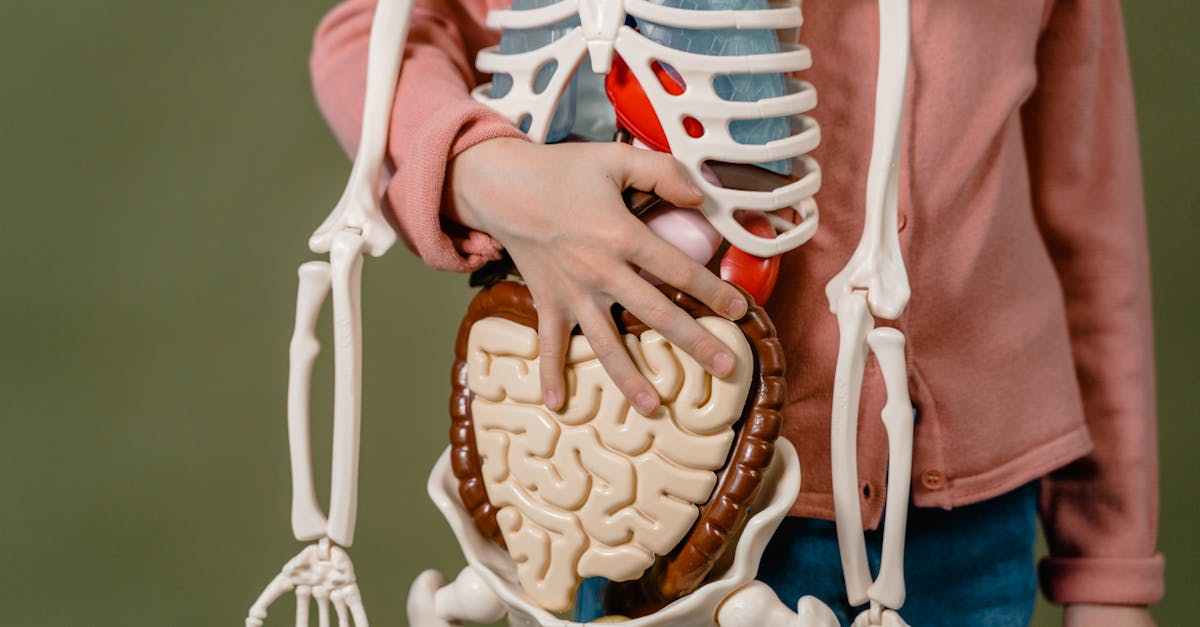
I used to roll my eyes when people called the gut the "second brain." Then I learned about the Enteric Nervous System (ENS)—a complex web of 500 million neurons lining your digestive tract. That's more neurons than in your spinal cord. It doesn't think, but it feels.
Here's what most people miss: the gut produces about 95% of your body’s serotonin. That’s the "happy hormone" that also gets converted into melatonin—the sleep hormone. If your gut lining is inflamed or your bacterial diversity is low, you are literally running a serotonin deficit. You can’t supplement your way out of that with a pill; you have to rebuild the factory floor.
I've found that my worst sleep always coincides with eating late or eating processed junk. It’s not the calories; it's the metabolic chaos. When your gut bacteria ferment undigested food in your colon, they produce gas and toxins. That irritation keeps your core temperature elevated, and a hot core is the enemy of deep sleep.
The Cortisol Spillover (Or, Why You Wake Up at 3 AM)
Let’s get specific about that 3 AM wake-up call. Usually, your cortisol dips at night to let melatonin rise. But if your gut is leaking—a condition called "leaky gut" where tight junctions in the intestinal wall loosen—you get a low-grade immune response.
Your body sees food particles in the bloodstream as invaders. It releases inflammatory cytokines. These are the same chemicals that make you feel sick with the flu. They cross the blood-brain barrier and stimulate the HPA axis, which controls your stress response.
The result? A cortisol spike in the middle of the night. You wake up, your mind starts racing about that email you sent, but really, it's just your immune system fighting your dinner. That’s the hidden "fight or flight" response triggered by your belly.
The 3 Things You're Doing That Annihilate Your Gut Bacteria
Before we get to the fix, we need to stop the bleeding. Let's be honest—you probably know these are bad, but you don't realize they are sleep killers.
- The Late-Night Sugar Hit: Even a small piece of dark chocolate (which is usually full of sugar) feeds the bad bacteria. They ferment it and produce excitotoxins that stimulate the brain.
- Overusing Antibacterial Mouthwash: It kills your oral microbiome, but the bigger issue is that it destroys the nitric oxide pathway, which often leads to high blood pressure and poor blood flow—both of which mess with your sleep quality.
- Eating Too Fast: I'm guilty of this. When you inhale food, you swallow air and don't chew properly. Undigested carbs reach the colon and ferment, causing gas that pushes on your diaphragm, making it harder to breathe deeply at night.
The "Gut-Sleep" Reset: What I Actually Do
Look, I don't have time for a 12-step detox tea ritual. But I have found a few non-negotiables that work faster than any sleep podcast.
Stop Eating at "The Wall"
I used to snack until 9 PM. Now, I cut off food 3 hours before bed. I know, it's brutal for social life. But here is the payoff: Fasting for 12 hours overnight gives your gut the "Migrating Motor Complex" time to sweep out debris. This is your gut's self-cleaning mode. If you're constantly snacking, it never gets to take out the trash. A clean gut equals a quiet brain.
Fermented Foods at Lunch, Not Dinner
Kimchi or sauerkraut at night can cause histamine release, which keeps you wired. I moved my probiotic-rich foods to lunch. This allows the beneficial bacteria to colonize and produce short-chain fatty acids (like butyrate) during the day, which feed the gut lining and reduce inflammation before the sun goes down.
Magnesium: The Missing Link
Most people are deficient in magnesium, which is crucial for both gut muscle relaxation and GABA production in the brain. I take a glycinate form (not citrate, which is a laxative) about an hour before bed. It calms the nervous system and helps the gut muscles relax so you aren't tossing and turning.

Why "Fiber" Is a Four-Letter Word (If You Do It Wrong)
Everyone screams "eat more fiber!" But if you go from 10g to 40g overnight, you’re going to blow up like a balloon. You need diversity of fiber, not just volume.
The gut bacteria that produce the most melatonin precursors feed on polyphenols—the stuff in colorful berries, olives, and dark leafy greens. I've found that a simple "rainbow rule" works best. Eat 30 different plant foods a week. It sounds insane, but it's just a handful of nuts, seeds, herbs, and veggies.
Here’s my secret weapon: I add a teaspoon of ground flaxseed and chia seeds to a glass of water in the morning. It’s not a magic potion, but the soluble fiber turns into a gel that feeds the good bacteria all day long, preventing that blood sugar crash that wakes you up at night.

The "Too Tired to Poop" Paradox
Let’s talk about elimination. If you’re constipated, you’re reabsorbing toxins that your liver worked hard to package and send out. This recirculation creates a toxic load that disrupts sleep.
If you wake up at 5 AM feeling groggy, check if you're actually moving your bowels first thing in the morning. If not, try prunes or kiwi—not laxatives. Kiwi has natural serotonin and actinidin, an enzyme that helps move things along without cramping.
I remember reading a study where participants who ate two kiwis an hour before bed fell asleep 42% faster than those who didn't. That’s not because the kiwi has melatonin directly, but because it supports the gut environment that makes melatonin.
The 5-Minute "Belly Reset" Before Bed
This sounds woo-woo, but stick with me. I do this on the floor before brushing my teeth.
- Lie on your back with your knees bent.
- Place your hands on your belly.
- Breathe in for 4 seconds, focusing on pushing your belly out (not your chest).
- Exhale for 6 seconds, pulling your navel toward your spine.

Stop Chasing the "Perfect" Sleep
The modern sleep industry sells you the idea that you need blackout curtains, a $2,000 mattress, and a white noise machine. But if your gut is inflamed, you could sleep on a cloud and still toss and turn.
I’ve found that addressing my gut health gave me something no supplement ever did: deep, unbroken sleep that actually feels restorative. It’s not about eating a perfect diet; it’s about giving your microbiome a consistent environment to thrive.
So, tonight, when you feel that rumble in your stomach, don't ignore it. Ask yourself: Is my gut trying to tell my brain to shut down, or is it screaming for help? Fix the fermentation, and the fatigue will follow.
Your move: Try the 3-hour eating cutoff for just five days. The first two nights might be tough, but by night five, you’ll notice you aren’t waking up at 3 AM anymore. That’s the gut-brain trust fall in action.