
Let's be honest for a second. Your favorite song from 2007 sounds like someone stuffed it through a paper shredder and then tried to glue it back together with spite. You're not imagining it. And no, your ears aren't broken.
Here's the uncomfortable truth: the music industry secretly hates dynamic range. They've been waging a quiet war against the quiet parts of your favorite tracks for decades. And they won. The casualty? Your emotional connection to music.
The Loudness War: Volume as a Weapon
I've been digging into this rabbit hole for years, and here's what most people miss: It's not about making music better. It's about making music louder.
Back in the 90s, record labels noticed something terrifying. When a song came on the radio, if it was quieter than the one before it, listeners changed the station. So the solution was simple — make every song louder than the last. This kicked off what engineers call The Loudness War.
But here's the thing — you can't just turn up the volume knob forever. There's a physical ceiling. So studios started using a technique called dynamic range compression. In simple terms, they took the quiet whispers and the crashing drums, then smashed them together so everything played at roughly the same volume. The result? A song that sounds like a brick wall of noise.

The Science: Why Your Brain Checked Out
I want you to try something. Put on a song from the 70s — like Fleetwood Mac's "Dreams" — and watch the waveform. You'll see peaks and valleys. Moments where the music breathes. Now pull up a modern pop hit from 2023. The waveform looks like a solid rectangle. That's compression in action.
Here's what happens inside your brain: Your auditory system is wired to detect contrast. When a song gets quiet, your brain leans in. When it gets loud, you feel the impact. That dynamic push-and-pull is what creates emotional catharsis in music. It's the reason a live concert makes you cry but the studio version just sounds... fine.
But modern compression destroys that contrast. Your brain gets a flat, unchanging signal from start to finish. After about 90 seconds, your neural response literally plateaus. You stop feeling. You stop caring. You just hear noise.
I've found that this is why people describe modern music as "exhausting." You're not tired of the melody — you're tired of your brain working overtime to find emotional meaning in a signal that has none.
The Hidden Cost: Ear Fatigue and Stream Fatigue
Let's talk about what no one wants to admit. Streaming platforms are making this worse. Spotify, Apple Music, and YouTube all apply their own additional compression on top of what the artist already did. So you're getting double-smashed.
Here's a breakdown of what happens to your favorite track:
- Original Master — Full dynamic range, quiet parts are quiet, loud parts are loud
- Studio Compression — The label smashes it to compete in the Loudness War
- Streaming Platform Normalization — Spotify turns it down and compresses it again
- Your Device's EQ — Your phone or laptop adds yet another layer of processing
I remember the first time I heard "Bohemian Rhapsody" on vinyl after only knowing the Spotify version. I literally sat down. There were sounds I had never heard before — breathing between phrases, the decay of a piano note, the space between the drum hits. That space had been erased from the digital version.

The Artists Who Fought Back and Lost
Here's a dark little secret the industry doesn't advertise. Some of your favorite artists tried to resist. You've heard of the "Loudness War" — but did you know about the artists who released two versions of the same album?
In 2008, Metallica released Death Magnetic. The CD version was notoriously compressed — so bad that fans complained about actual clipping distortion. The Guitar Hero version, however, had better dynamic range. The game version sounded better than the official album. Think about that for a second.
Then there's the case of Bob Ludwig, a legendary mastering engineer who worked on Daft Punk's Random Access Memories. He specifically mastered that album to have preserved dynamic range. It won Album of the Year. It also sounded incredible. But the labels were furious. They wanted it louder.
The sad reality? Artists who fight for dynamics get overruled by marketing departments. They're told that louder songs perform better on playlists. That quiet moments make listeners skip. That compression sells.
How to Actually Fix Your Listening Experience
You don't have to suffer through this. There are ways to hear your music the way it was meant to be heard. And no, I'm not about to tell you to buy a $10,000 turntable.
First, stop using streaming default settings. Go into Spotify's settings and turn off "Normalize Volume." Do the same on Apple Music. This removes one layer of compression immediately. The difference is subtle, but real.
Second, seek out dynamic masters. Some albums have "HD" versions on Tidal or Amazon Music that preserve more dynamic range. Look for releases labeled "Mastered for iTunes" or "Hi-Res Audio." They're not perfect, but they're better.
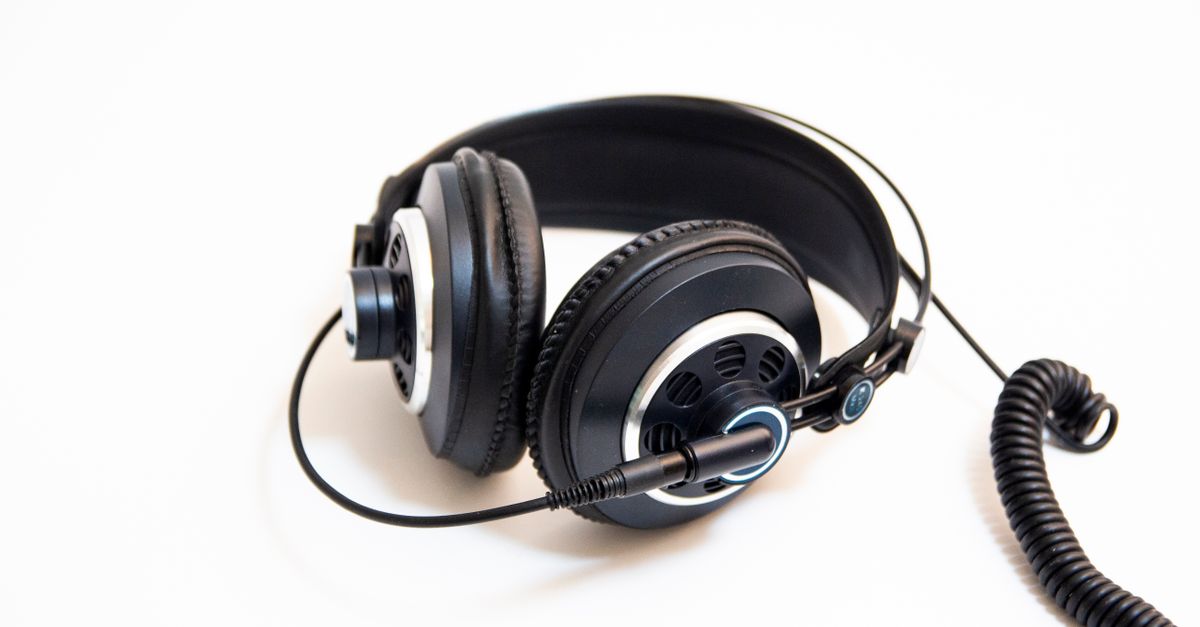
Third, invest in open-back headphones. I know, I know — another gear recommendation. But here's why it matters: Closed-back headphones and cheap earbuds artificially boost bass and treble, which masks dynamic range. Open-back headphones let you actually hear the space in the recording.
Fourth, listen to older recordings. I'm not saying abandon modern music. But listen to a Steely Dan album from 1977. Listen to Rumours by Fleetwood Mac. Listen to Dark Side of the Moon. These records were made before the Loudness War. They breathe. They feel alive.
The Final Note: What We Lost and What We Can Get Back
Here's the thing nobody wants to say out loud: We sacrificed musical depth for convenience. We traded emotional resonance for playlist placement. And in the process, we forgot what music is supposed to feel like.
I'm not saying modern production is all bad. Some genres — like EDM and hip-hop — actually benefit from heavy compression. It's part of the aesthetic. But when every genre gets the same treatment, when a quiet acoustic ballad sounds as loud as a metal breakdown, we've lost something essential.
The next time you put on your headphones, pay attention. Listen for the quiet parts. Listen for the space between the notes. If you don't hear any, you're not listening to music — you're listening to a product.
And honestly? You deserve better.


