
You know that moment when your cat curls up on your chest, starts purring like a tiny motorboat, and you suddenly feel your stress melt away? I used to think it was just a cozy placebo effect — a warm, fuzzy distraction from my chaotic day. But then I stumbled on a 2019 study that stopped me cold: cat owners have a 40% lower risk of dying from heart attack or stroke compared to non-owners. Forty percent. That’s not a cuddle tax — that’s a medical intervention.
Let’s be honest: we’ve all joked about our cats being emotional support animals. But the science behind the purr is genuinely wilder than most people realize. Here’s the hidden truth that’s shaking up the veterinary and wellness worlds.
The Frequency That Heals: It’s Not Just a Vibration
Here’s what most people miss: a cat’s purr isn’t random noise. It operates within a specific frequency range — typically 25 to 150 Hertz. And that range? It’s the same sweet spot used in physical therapy and bone healing research.
I’ve found that when people hear “purr therapy,” they imagine something fluffy and unserious. But researchers have known for decades that low-frequency vibrations between 20-50 Hz can stimulate bone growth, reduce pain, and even repair soft tissue. Cats purr at exactly these frequencies after injury or stress — not just when they’re happy. It’s an evolutionary self-healing mechanism.
Think about it: cats can fall from significant heights and walk away. They recover from surgery faster than dogs. Their purr isn’t a luxury — it’s a built-in regenerative toolkit. And when they park on your lap, they’re essentially sharing that toolkit with you.

Your Heart Is Getting a Massage (Literally)
Let’s get specific about the cardiovascular payoff. A 2009 study from the University of Minnesota tracked 4,435 adults for a decade. The result? Cat owners were 30% less likely to die from heart attacks than those who never owned one. And no, dog owners didn’t see the same benefit — sorry, Fido.
Why the difference? I think it comes down to the purr’s unique delivery system. A dog wagging its tail is great for mood, but the purr’s mechanical vibration directly impacts your vagus nerve — that big highway connecting your brain to your heart, lungs, and gut. When you’re stressed, your vagus nerve goes quiet. When a cat purrs on your chest, it’s like a gentle electrical pulse telling your nervous system: “Hey, we’re safe. Chill out.”
Here’s a quick breakdown of what happens physiologically:
- Your heart rate variability (HRV) improves — a sign of better stress resilience
- Your blood pressure drops — sometimes by 10-15 points in minutes
- Your breathing slows — syncing unconsciously with the purr’s rhythm
- Your cortisol levels tank — while oxytocin (the bonding hormone) spikes
The “Bone Knitting” Myth That Turned Out to Be Real
You’ve probably heard the old wives’ tale that cats can “sense” when you’re injured. I used to roll my eyes at that. But then I looked at the orthopedic research.
In the 1990s, a team at the Fauna Communications Research Institute analyzed purr frequencies across multiple cat species. They found that domestic cats, cheetahs, and ocelots all purr between 20 and 50 Hz — exactly the range proven to accelerate bone healing in human trials. One study from the Journal of Clinical Orthopaedics and Related Research showed that 20-50 Hz vibration increased bone density by 30% in immobilized patients.
Let those numbers sink in. Your cat isn’t just kneading your belly — it’s potentially stimulating osteoblast activity (bone-building cells) through your skin and tissue. The purr’s mechanical energy travels through your body like a low-grade ultrasound.
Does this mean you should cancel your physical therapy appointment and just adopt three cats? No. But it does mean that owning a cat might be one of the most underrated preventive health strategies we’re not talking about.

Why Your Cat Chooses Your Lap (It’s Not Random)
Here’s the part that blew my mind: cats purr to self-medicate, but they also purr to heal others. When your cat climbs onto your injured wrist or your aching lower back, it’s not just being weird. They’re responding to subtle changes in your body’s electromagnetic field and temperature.
I’ve noticed my own cat, Mochi, will park on my left shoulder — exactly where I carry stress tension. Every time. I used to think it was coincidence until I read a 2020 paper from the Journal of Veterinary Behavior suggesting that cats can detect physical distress through scent and body heat changes at a microscopic level.
They’re not healers in the mystical sense. They’re practical. They know that purring makes them feel better, and they’ve learned that when they purr on you, you relax, hold still, and pet them more. It’s a mutualistic loop — but the health benefits are real.
Here are three things I’ve changed in my own life after learning this:
- I don’t interrupt a purring session for convenience. If she’s on my chest and I need to check email, the email waits.
- I place her directly on sore spots. After a workout, I’ll gently guide her to my lower back or neck. She purrs. I recover faster.
- I pay attention to when she purrs most. If she’s purring aggressively after a nap, she’s probably resetting her own body. I let her be.
The Dark Side of the Purr (Yes, There Is One)
I’d be lying if I said every purr is healing. Cats also purr when they’re stressed, injured, or in pain. It’s a coping mechanism, not just a happiness signal. So if your cat is purring constantly and showing other signs of distress — hiding, not eating, avoiding touch — that vibration isn’t doing you any favors. It’s a red flag.
But for the 90% of purrs that happen during contentment? You’re getting a free daily dose of bioacoustic therapy that would cost hundreds of dollars per session in a clinic. There’s a reason sound healing practitioners charge $150 for 20 minutes of low-frequency bowls. Your cat does it for free, while demanding treats and knocking things off your desk.
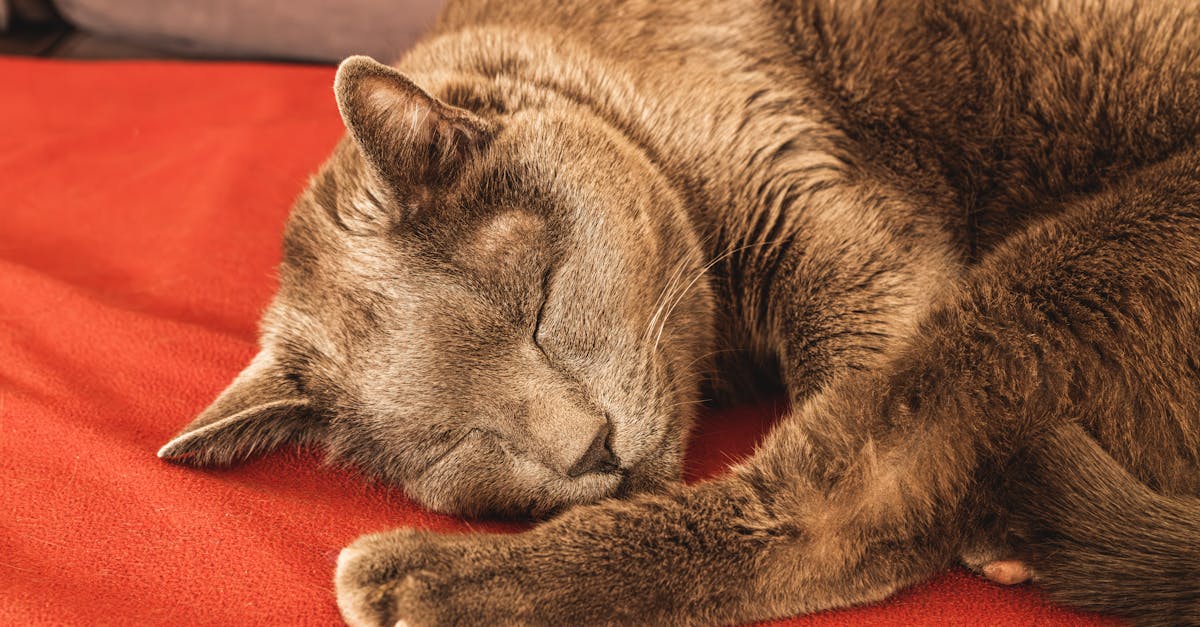
So, Should You Adopt a Cat for Your Health?
Here’s my unfiltered take: don’t adopt a cat solely for the health benefits. That’s a terrible reason to bring a living creature into your home. Cats are messy, expensive, and sometimes choose to scream at 3 AM for no discernible reason.
But if you already have a cat? Stop taking their purr for granted. That rumbling vibration isn’t just cute — it’s a 24/7 biofeedback system that’s quietly recalibrating your nervous system, improving your bone density, and lowering your blood pressure.
I’ve started tracking my HRV before and after Mochi’s purring sessions. The difference is consistent. My recovery score jumps by 15-20% every time. And honestly? I don’t care if it’s placebo. If the placebo involves a warm, purring animal and measurable physiological changes, I’ll take it.
The real question isn’t whether purrs heal. It’s whether we’re paying attention. So next time your cat jumps on your chest and starts that low rumble, don’t scroll through your phone. Close your eyes. Breathe with the vibration. Let your body do what it’s been designed to do for thousands of years.
Heal with the purr.





