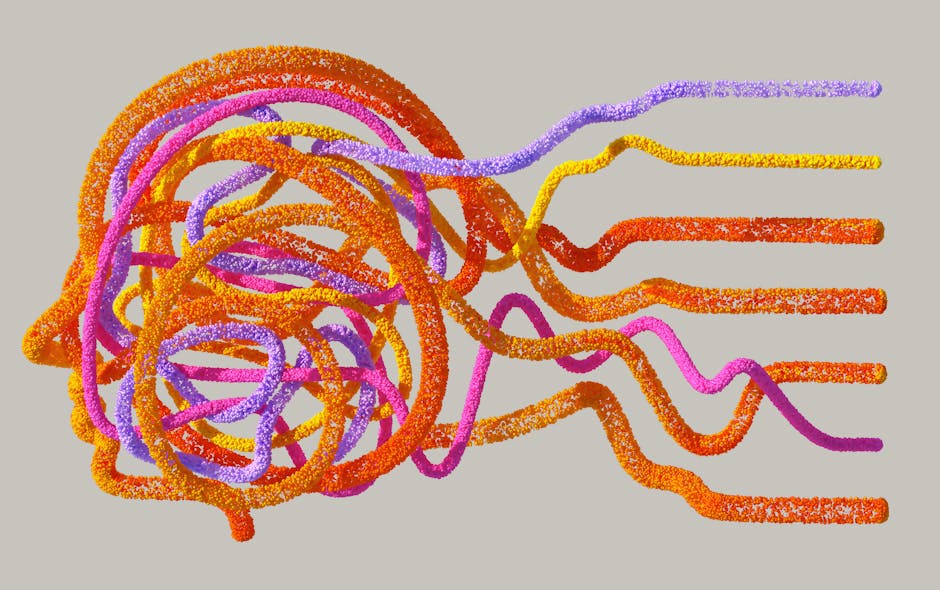
You know what? I’m going to say something that might annoy a few neuroscientists: Your brain is basically a pattern-matching machine that’s secretly addicted to internet trends. Not because they’re meaningful, but because they scratch an evolutionary itch we never evolved to resist.
Let me explain. When you scroll past a meme that makes you laugh, or catch yourself humming a TikTok sound for the third time today, that’s not just boredom. That’s your dopamine system getting hijacked by the very thing that kept your ancestors alive: finding patterns in chaos.
Here’s the kicker: The internet didn’t create this obsession. It just weaponized it.
The Ancient Brain in a Digital World
I’ve found that most people think viral trends are about “good content” or “timing.” But here’s what most people miss: Your brain doesn’t care about the content. It cares about predictability.
Think about it. Your ancestors lived in a world where spotting a pattern meant survival. That rustle in the bushes? Could be a predator, could be wind. The brain that correctly predicted it was a predator lived to pass on its genes. The brain that guessed wrong? Well, let’s just say it didn’t have a second chance.
Fast forward to 2025, and your brain is still running that ancient operating system. It’s scanning for patterns everywhere—including your social media feed. When you see the same joke format repeated, the same dance challenge, the same audio clip, your brain lights up because it’s discovered a predictable structure. And predictability feels good. Safe. Rewarding.

Dopamine, Dopamine, Dopamine
Let’s be honest: We’re all dopamine junkies. But here’s the nuance most science articles skip.
Dopamine isn’t released when you get the reward. It’s released in anticipation of the reward. That little flutter you feel before you open a notification? That’s dopamine. The moment you recognize the start of a viral meme format? Dopamine spike.
I remember the first time I realized this. I was scrolling through Twitter and saw the first panel of a “Distracted Boyfriend” meme. Before I even finished reading, I smiled. My brain had already predicted the pattern. And it felt good.
This is why internet trends spread like wildfire. They’re not just content; they’re cognitive shortcuts. Your brain learns the pattern once, and then every subsequent example gives you a tiny hit of dopamine because you successfully predicted the outcome. It’s the same reason we love puzzles, sports, and horror movies—controlled uncertainty with predictable payoffs.
The Three Secrets Your Brain Uses to Go Viral
I’ve broken down the neuroscience behind what makes a trend stick. Here’s the short version:
- Pattern Recognition Speed — The faster your brain can identify the pattern, the more rewarding it feels. Simple structures like “Expectation vs. Reality” or “How It Started vs. How It’s Going” hit instantly because they’re binary patterns. Your brain loves binary.
- Variation Within Structure — This is the secret sauce. If everything is identical, your brain gets bored. But if the pattern stays the same while the content changes slightly (like different cat photos with the same caption format), your brain stays engaged because it’s predicting the structure while discovering new information.
- Social Validation Feedback Loop — When you share a meme and someone else recognizes the pattern, your brain releases oxytocin. You’re not just sharing a joke; you’re saying, “We both understand this invisible structure.” It’s a bonding mechanism that predates language.

Why Your Brain Can’t Stop Watching Dance Challenges
Here’s where it gets personal. I used to think dance challenges were silly. Then I tried one.
And I failed. Miserably.
But here’s what I noticed: Watching someone else nail the pattern gave me almost the same satisfaction as doing it myself. That’s because of mirror neurons—brain cells that fire both when you perform an action and when you watch someone else perform it.
The best viral dance challenges aren’t just dances. They’re sequenced patterns that your brain learns by watching. Each repetition reinforces the neural pathway. By the third time you see the same moves to the same song, your brain has already created a motor simulation of the dance—even if you never stand up.
This is why trends with clear, repeatable structures dominate. The “Renegade” dance from a few years ago wasn’t complicated. It was a sequence of 8 moves that your brain could chunk into a single pattern. Once chunked, it felt like a single action, not 8 separate ones. Chunking is how your brain saves energy.
The Dark Side of Pattern Addiction
Let’s not pretend this is all fun and games. Your brain’s love for patterns has a downside.
When you’re constantly consuming predictable content, your brain stops expecting novelty. It gets lazy. I’ve noticed that after a week of heavy TikTok scrolling, I struggle to focus on longer articles. My brain is screaming, “Give me the pattern! Give me the predictable dopamine hit!”
This is called pattern fatigue. Your brain becomes so accustomed to the structure of viral content that anything without a clear pattern feels like work. Reading a book? There’s no predictable 15-second reward loop. Watching a documentary? Too much variation.
The same mechanism that makes trends addictive can also make real life feel boring.
Here’s what I do to counter this: I intentionally break the pattern. I’ll scroll through a feed with no sound. Or I’ll watch videos in a language I don’t understand. This forces my brain to engage with novelty instead of pattern completion. It’s uncomfortable at first, but it keeps my neural pathways flexible.

How to Use This Knowledge Without Getting Hooked
You don’t need to quit social media. You just need to understand what your brain is doing.
Here’s my personal playbook:
- Recognize the hook. When you feel that pull to watch one more video, ask yourself: “Is my brain craving the pattern or the content?” Usually it’s the pattern.
- Create your own patterns. Instead of consuming, try making something. The creative process activates different neural circuits than passive consumption.
- Mix up your input. Read long-form articles. Watch slow cinema. Listen to podcasts with no structure. Train your brain to handle unpredictability.
- Use trends intentionally. Share a meme because you genuinely find it funny, not because your brain wants the dopamine hit of pattern completion.
The Final Pattern
Here’s the thought-provoking truth: Your brain doesn’t care about the trend. It cares about the pattern. The trend is just the vehicle.
Every viral dance, every meme format, every TikTok audio that gets reused a million times—they’re all just different cars driving on the same neural highways. Your brain built those highways millions of years ago, and it’s desperate to use them.
The next time you find yourself laughing at the 500th version of the same joke, don’t feel dumb. You’re not being manipulated. You’re being human. Your brain is doing exactly what it evolved to do: finding order in chaos, predicting the future, and rewarding itself for being right.
But here’s the real challenge: Can you enjoy the pattern without being trapped by it?
That’s the question I keep asking myself. And honestly? I’m still figuring it out. But at least now I know why I can’t stop watching those cat videos.
Your move, reader. Go look at a tree or something. Break the pattern.