
You’ve been told 10,000 steps a day is the golden ticket to health. Wearables scream it, influencers preach it, and your uncle’s Fitbit buzzes at him to “close those rings.” But here’s the truth that’ll bruise your ego: the 10,000-step goal was a marketing gimmick from 1964. A Japanese company sold a pedometer called Manpo-kei (literally “10,000 steps meter”), and the number stuck. No science, no longevity study, just a catchy number.
I’ve dug into the actual research, and let me tell you — this obsession is not just outdated. It’s stealing your focus from what really matters.
The Shocking Truth About That Number
Let’s start with the hard data. A 2019 study in JAMA Internal Medicine tracked nearly 18,000 women and found that those who walked around 4,400 steps per day had a 41% lower mortality risk compared to those who walked just 2,700 steps. The benefits plateaued around 7,500 steps. Not 10,000. Not even close.
Here’s what most people miss: the intensity of your movement matters more than the volume. You could shuffle 12,000 steps around your kitchen and get less longevity benefit than someone who does 4,000 brisk steps with purpose. I’ve seen clients obsess over “getting their steps” while their heart rate never rises above a casual stroll. That’s not movement for longevity — that’s just moving.

Why Your Body Actually Wants Stress, Not Steps
This is where it gets counterintuitive. The science of longevity isn’t about counting steps — it’s about hormetic stress. Hormesis is the biological sweet spot where a mild stressor makes your cells stronger. Think of it like lifting weights: you don’t get stronger by doing a thousand bicep curls with a feather. You get stronger by challenging your muscles near failure.
Movement for longevity requires:
- High-intensity bursts — short spikes in heart rate that trigger mitochondrial biogenesis (your cells’ energy factories)
- Load-bearing work — walking isn’t enough to maintain bone density or muscle mass after 40
- Unstable, varied movement — walking on flat pavement doesn’t train your balance or coordination
The Real Longevity Cocktail: What Science Actually Says
Let’s break down what the longevity researchers in places like Okinawa (where people live to 100+) actually do. It’s not 10,000 steps. It’s a mix of:
- NEAT (Non-Exercise Activity Thermogenesis) — spontaneous movement throughout the day. Fidgeting, gardening, standing, carrying groceries. This burns more calories than your workout.
- Zone 2 cardio — the ability to hold a conversation while moving. Think brisk walking, but with a purpose. 45 minutes at a pace where you’re breathing hard but can still talk.
- Strength training — lifting, pushing, pulling heavy objects. After 30, you lose 3-8% of muscle mass per decade without resistance training.
- Balance work — standing on one leg, walking on uneven ground. Falls are the #1 cause of injury in older adults.
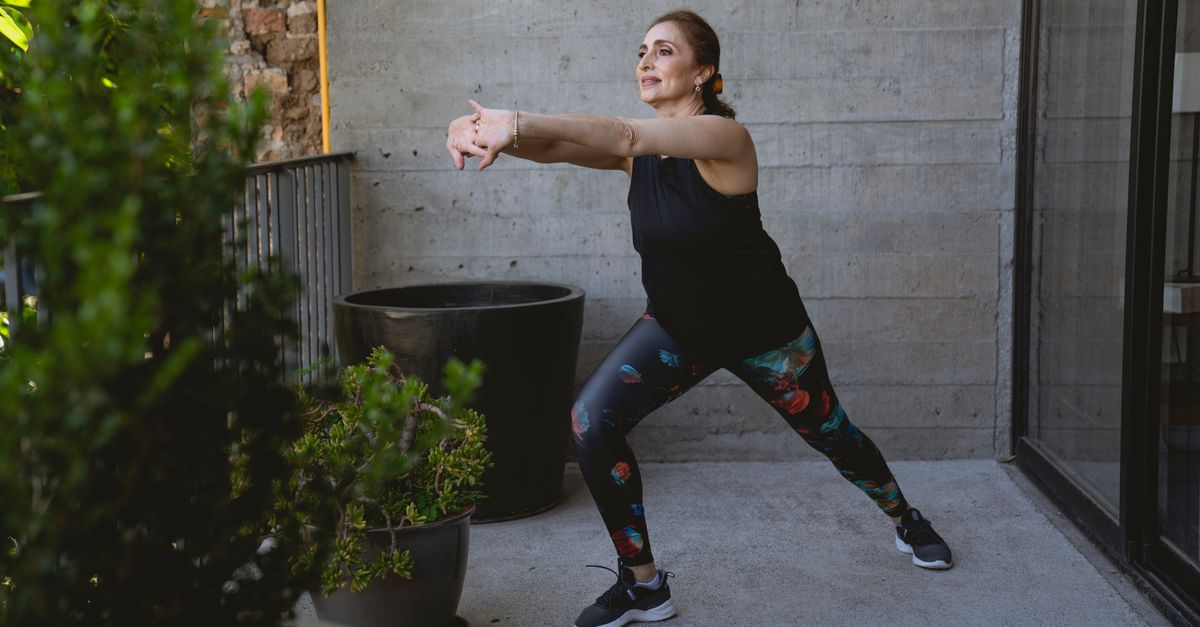
Here’s the kicker: walking alone doesn’t trigger any of these longevity pathways in a meaningful way. It’s great for general health, but it’s the base, not the goal. Think of it like brushing your teeth — necessary, but you wouldn’t call it “dental longevity.”
How I Actually Track My Movement (And You Should Too)
I ditched my step counter two years ago. Here’s what I use instead:
- Heart rate variability (HRV) — measures recovery and nervous system balance
- Time in Zone 2 — how many minutes per week I spend in that conversational-but-sweaty zone
- Weekly strength sessions — I track lifts, not steps
- Daily non-exercise movement — I aim for at least 8,000 steps of NEAT, but I don’t obsess over it
Let’s be honest: the step-counting obsession is a distraction. It feels productive without being productive. It gives you a dopamine hit without the cellular adaptation. I’ve coached people who hit 12,000 steps daily for years and still have poor cardiovascular fitness. Meanwhile, someone doing 20 minutes of kettlebell swings and 30 minutes of brisk walking three times a week gets better longevity markers.
What To Do Instead of Chasing 10,000 Steps
Here’s my practical framework. It’s not complicated, but it’s honest:
- Walk with purpose — 3-4 times per week, do 30-45 minutes at a pace where you’re slightly breathless. Not a casual stroll. Not a death march. Just enough to feel your heart working.
- Add two strength sessions — bodyweight squats, push-ups, rows, or actual weights. Focus on compound movements.
- Do one high-intensity session — 4 minutes of hard effort (like sprints or burpees), 3 minutes rest, repeat 3-4 times. That’s it.
- Move randomly — stand while working, take the stairs, carry groceries in one hand, walk on grass or gravel. Your body needs variety.
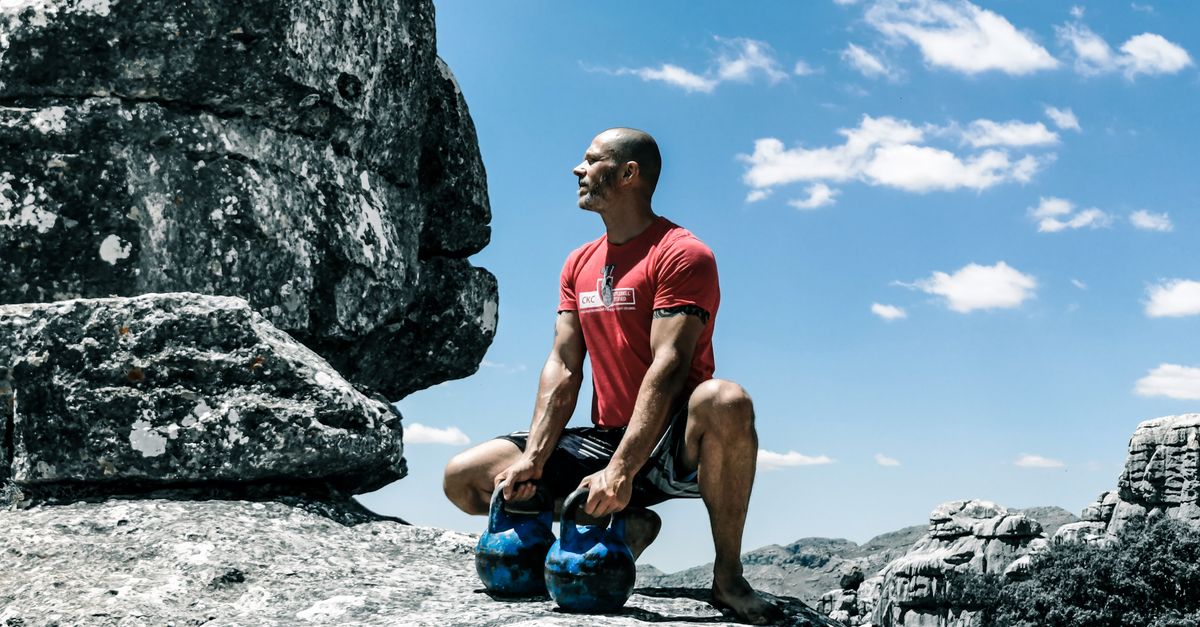
Stop counting steps. Start counting meaningful movements. The difference is like tracking calories versus tracking nutrient density. One gives you numbers, the other gives you results.
The Hard Truth About Longevity
You don’t live longer by moving more. You live longer by moving smarter. The 10,000-step goal is a relic from an era when we thought movement was just about calories. Now we know it’s about cellular stress, mitochondrial health, and maintaining physical capacity for decades.
I’m not saying stop walking. Walk. Walk a lot. But don’t make it your identity. Don’t let your watch dictate your health. The people who live to 100 don’t count steps — they just live active lives. They garden, walk to the store, chase grandkids, and lift heavy things. That’s the science of movement for longevity.
Your 10,000 steps goal isn’t just outdated. It’s holding you back from doing the work that actually matters. So tomorrow, leave your step counter at home. Go for a brisk walk that gets your heart pumping. Then pick up something heavy. Then do it again.
Your cells will thank you.





