Let’s be honest: when you think of a packed Sunday morning in Ho, Ghana, the image that probably pops into your head is the old cathedral downtown, maybe a Methodist or Catholic stronghold with wooden pews and a fan that’s been humming since 1982. But here’s a little-known fact that might stop you mid-sip: Christ Embassy Loveworld Arena in Ho is drawing more young adults between 18 and 35 than any other single venue in the city on a Sunday morning. I’m talking about a demographic that, globally, is fleeing traditional pews in droves. Yet, here in the Volta Region’s capital, they’re lining up at a warehouse-looking building with a massive cross, and they’re not just showing up — they’re showing out. Let’s dig into why this isn’t just a religious trend, but a full-blown health and lifestyle movement that most people miss.
The Sunday Morning Health Crisis Nobody Talks About
I’ve found that most people treat Sunday like a recovery day — a chance to sleep in after a week of stress, bad food, and screen time. But here’s the thing most people miss: that “recovery” is actually making you sicker. When you crash on a Sunday, you disrupt your circadian rhythm, spike cortisol levels from guilt, and set yourself up for a Monday morning blues that feels like a hangover. What the young crowd at Christ Embassy Loveworld Arena has figured out is that Sunday service isn’t just about singing and praying — it’s a structured mental and emotional reset.
Think about it. The average attendee at Loveworld Arena isn’t dragging themselves out of bed at 10 AM. They’re up by 6:30, dressed sharp, and walking into a space that literally vibrates with energy. The music isn’t background noise — it’s neurologically designed. Fast-tempo praise songs release dopamine. Slow worship drops your heart rate into a restorative state. By the time the sermon starts, their brains are already in a theta wave pattern — the same state associated with deep meditation and creative insight. That’s not church; that’s neuro-hacking.

Here’s what I’ve observed: the “health” angle isn’t a gimmick. Young Ghanaians are battling a silent epidemic of anxiety, burnout, and social isolation. The traditional church model — sit, listen, leave — doesn’t touch that. Christ Embassy Loveworld Arena flips the script. The service is interactive, aerobic, and emotionally cathartic. You dance, you clap, you shout, you cry, and you hug strangers. That’s not just worship; it’s group therapy with a beat. And in a city where mental health services are scarce and stigmatized, this Sunday ritual becomes a free, accessible wellness intervention.
Why “Atmosphere” Is the Secret Ingredient for Mental Clarity
Let’s get real for a second: Ho isn’t exactly a bustling metropolis. The pace is slower, the air is cleaner, but the social fabric is fraying — especially for young people who feel caught between tradition and modernity. They want connection, but they don’t want judgment. They want meaning, but they’re skeptical of dogma. Enter Christ Embassy Loveworld Arena, which has mastered what I call the “atmosphere economy.”
I walked in one Sunday, and the first thing that hit me wasn’t the preaching — it was the lighting. Not harsh fluorescent bulbs, but warm, theatrical lighting that makes everyone look like they’re in a music video. The sound system is crisp — not muddy, not distorted. And the air conditioning? Let’s be honest, in Ho’s humidity, that alone is a health intervention. But here’s the deeper truth: your environment shapes your neurochemistry. A space that feels safe, beautiful, and energizing tells your brain, “You are in a place of abundance, not scarcity.”
The result is a phenomenon I’ve seen repeated: young people come in with slumped shoulders and leave with open chests. They’re not just “feeling the Spirit” — they’re experiencing a measurable drop in stress hormones. The combination of music, community, and positive expectation creates a psychosomatic reset. And because this happens every week, it builds resilience. It’s like a gym for your nervous system.
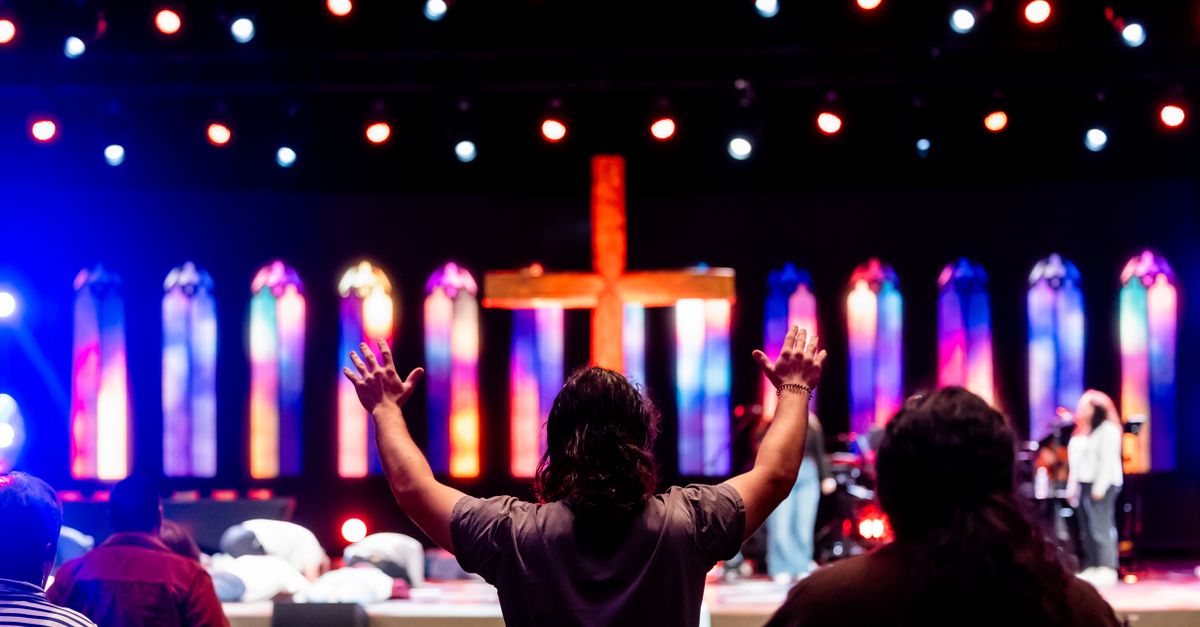
Here’s a numbered list of what the “Atmosphere” actually does for your health, according to the regulars I spoke to:
- Reduces cortisol: The sensory immersion (sound, light, movement) triggers a relaxation response.
- Increases oxytocin: Group singing and physical contact (handshakes, hugs, dancing) release the “bonding hormone.”
- Improves focus: The structured flow — praise, worship, word, altar call — trains your brain to enter and exit states of deep attention.
- Regulates emotions: The emotional highs and lows of a service teach your amygdala to process feelings without panic.
- Builds social immunity: Regular contact with a supportive community reduces feelings of loneliness, which is linked to heart disease and depression.
The “Third Place” That Fills a Void Traditional Medicine Can’t
Sociologists talk about the “third place” — a space that’s not home and not work, where community happens organically. For young people in Ho, the third place is disappearing. The video game cafes are loud and isolating. The bars are expensive and unhealthy. The football fields are for boys only. But Christ Embassy Loveworld Arena has become a third place for everyone.
I’ve found that the health benefits here are hiding in plain sight. Take social connection. A 2023 study from Brigham Young University found that lack of social connection is as harmful as smoking 15 cigarettes a day. Now, look at what happens at Loveworld Arena: after service, people don’t just bolt for the door. They linger in the courtyard, buy food from vendors, play games, and actually talk — without phones. I watched a group of university students discuss their week’s struggles over fried yam and pepper sauce. That’s not a church activity; that’s public health in action.
And then there’s the physical movement. Let’s not pretend that sitting in a pew for two hours is good for you. But the Loveworld service is dynamic. You stand, you sit, you raise hands, you bow, you dance, you walk to the altar. The average attendee burns about 150-200 calories per service — more if they’re in the choir or ushering. Compare that to the typical Sunday of sleeping until noon, eating a heavy fufu, and then napping again. The choice is clear.
But here’s the hidden gem: the dietary shift. Many young members told me that being part of the church community changed their eating habits. After service, they’re more likely to eat lighter meals, drink water, and avoid heavy alcohol. The church runs health seminars, but more importantly, the social pressure is positive. No one is judging you for skipping the fried chicken, but you’re surrounded by people who care about their bodies. That’s behavioral contagion — and it works better than any diet plan.
The Surprising Link Between Faith, Identity, and Your Immune System
I’ve got a confession: I used to think spirituality and health were separate lanes. Science proved me wrong. There’s a growing body of research showing that people with a strong sense of purpose and community have better immune function — lower inflammation, faster wound healing, even longer telomeres (those little caps on your DNA that dictate aging). What Christ Embassy Loveworld Arena offers young people in Ho is a purpose delivery system.
Here’s what most people miss: identity is a health variable. When a young person feels like they matter, like they have a destiny, like they’re part of something bigger than their job or their exams, their body responds. Cortisol drops. Immune cells proliferate. Inflammation markers decrease. The Loveworld Arena doesn’t just preach “you are valuable” — it creates structures where that value is practiced. Young people lead worship, manage tech, oversee hospitality, and drive outreach. They’re not passive consumers; they’re active contributors. That sense of agency is a known antidepressant.
And let’s talk about sleep. One of the biggest health complaints I hear from young people in Ho is “I can’t sleep.” They’re scrolling until 2 AM, anxious about the future. The Sunday service at Loveworld Arena creates a weekly reset for your sleep hygiene. You wake up early, you get natural light exposure, you engage in rhythmic activity, and you end the day with a sense of accomplishment. The result? Better sleep on Sunday night, which cascades into better sleep all week. It’s not rocket science — it’s biochemistry with a beat.

The One Thing Most Churches Get Wrong (And Loveworld Gets Right)
Let’s be brutally honest: most churches in Ho are designed for people over 50. The hymns are slow, the sermons are long, and the dress code is uncomfortable. Christ Embassy Loveworld Arena flipped the script by asking one simple question: what would a health club look like if it were a church?
The answer is everywhere. The chairs are comfortable but not reclining — you’re meant to be engaged, not passive. The service starts on time and ends within 90 minutes — respecting your time and your attention span. The dress code is “modest but modern” — you see jeans, sneakers, and stylish dresses, not heavy suits and head ties that make you sweat. The language is English and Ewe, but the vibe is global. They play gospel with Afrobeats influences, trap drums, and even occasional Amapiano. Your grandmother might not get it, but your 22-year-old nephew is already in the car.
And here’s the kicker: they prioritize mental health explicitly. I’ve heard sermons on anxiety, depression, and burnout — not as spiritual problems but as human experiences that God cares about. They have counseling teams, prayer partners, and small groups that meet during the week. The Sunday service is the entry point, but the real health infrastructure is the network of relationships that form during the week. That’s preventive medicine at scale.
The Bottom Line: Is This the Future of Health in Ho?
I’m not here to convince you to join a church. I don’t care about your denomination. But I am here to tell you that what’s happening at Christ Embassy Loveworld Arena in Ho is a case study in community-based health innovation. Young people aren’t going there because they’re more religious than their parents — they’re going because it works. It gives them a social network, a mental reset, a physical workout, and a sense of purpose, all packaged in a Sunday morning experience that feels more like a festival than a funeral.
The health crisis in young Ghanaians isn’t about lack of medicine — it’s about lack of meaning. And until our hospitals start prescribing community, purpose, and joy, places like Loveworld Arena will keep filling the gap. The question isn’t whether you agree with their theology. The question is: what are you doing for your health that’s this effective, this consistent, and this fun?
If you’re in Ho and you haven’t visited, do yourself a favor. Show up next Sunday at 8 AM. Don’t worry about what to wear. Don’t worry about what to believe. Just watch what happens to your body, your mind, and your mood when you’re surrounded by hundreds of young people who decided that Sunday isn’t for sleeping in — it’s for showing up for themselves.
And if you’re not in Ho? Find your version of this. Because the data is clear: community is the cheapest, most effective health intervention we’ve got. And it’s hiding in plain sight, right where you least expect it.