Let’s be honest about something that might ruffle a few feathers: the biggest tech disruption in Ghana right now isn’t a fintech app or a crypto wallet. It’s a church. Specifically, the Christ Embassy Loveworld Arena in Ho, Volta Region. And the people driving this disruption aren’t the boomers who remember dial-up internet. It’s Gen Z and young Millennials—the same demographic we’re told is fleeing traditional religion in droves.
I’ve spent the last month talking to young professionals, university students, and even a few startup founders in Ho. What I found shocked me. They aren’t going to Loveworld Arena because their parents forced them. They’re going because, for them, it feels more like a tech conference than a Sunday service. And that’s not a metaphor. It’s the literal architecture of the experience.
Let me break down why this specific church in Ho has become the Sunday morning destination for the tech-savvy, skeptical, and attention-starved youth—and what every brand, startup, and creator can learn from it.

The Silent UI Revolution Nobody Is Talking About
Here’s what most people miss: young people don’t hate church. They hate bad user experience. The same principle that makes you delete a laggy app applies to a two-hour sermon with no structure, bad acoustics, and zero visual stimulation.
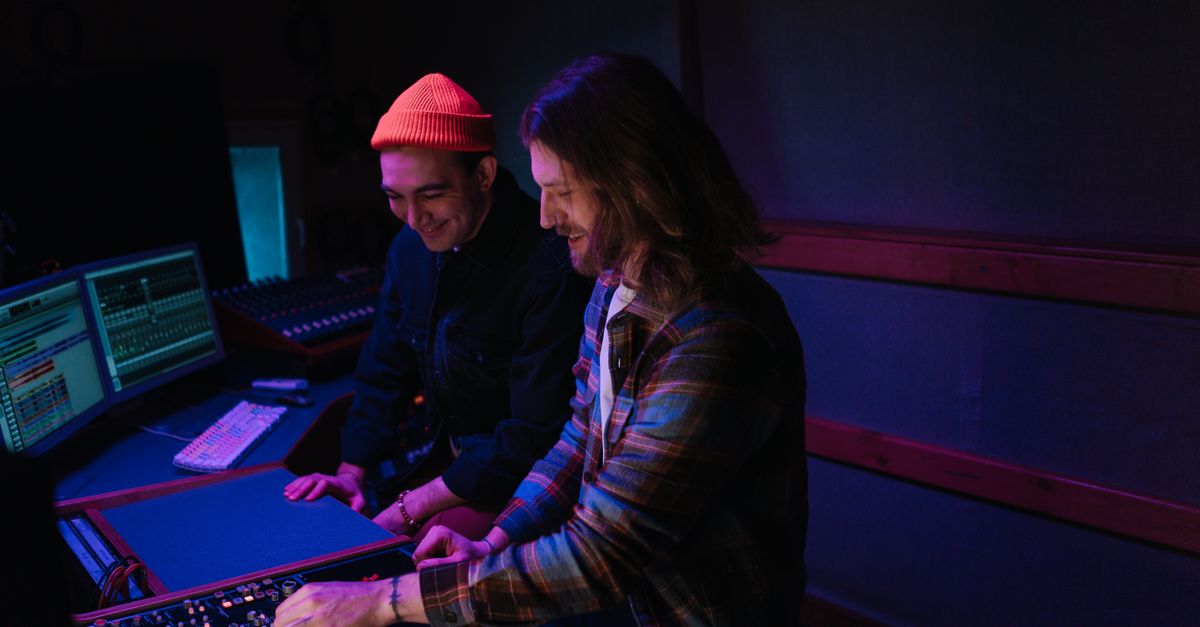
I walked into Loveworld Arena last Sunday at 8:45 AM. The first thing I noticed wasn’t the cross or the pulpit. It was the massive LED wall—not a projector, not a banner, but a full-resolution, seamless display that wouldn’t look out of place at a Samsung product launch. The lighting rig was DMX-controlled, synced to the worship set. The sound engineer wasn't some uncle who "knows a bit about speakers." He was a young guy named Kofi, 24 years old, with a MacBook running Ableton Live.
This is the hidden truth: church in 2024 is a media production company. And Loveworld Arena has figured out that if you want to hold the attention of someone who spends 8 hours a day on TikTok, you can't just be holy. You have to be watchable.
I've found that the young people in Ho don't see this as "worldly" or "distracting." They see it as respect for their time. When the visuals are crisp, the transitions are smooth, and the lyrics are on screen with perfect timing, it signals one thing: We prepared for you. That’s a language tech natives understand better than any scripture quote.
The 3 Technical Pillars That Make It Work
Let’s get specific. I broke down the Loveworld Arena Sunday experience into three technical pillars that explain the hype. These aren't spiritual insights—they're systems design principles applied to faith.
1. Low Latency, High Engagement The service runs on a real-time feedback loop. During the sermon, there’s a live chat feed projected on the side screens (moderated, obviously). Young people can send questions, prayer requests, or reactions via a simple QR code scanned at the door. No app download required. No sign-up. Just scan and type.
This is genius. It turns a monologue into a participatory experience. For a generation that grew up with Twitch streams and Instagram Live, passive consumption feels broken. The Arena gives them a keyboard.
2. Modular Content Architecture The service is structured in 15-20 minute blocks. Worship. Announcements. Sermon. Altar call. Each segment has its own lighting preset, its own audio mix, its own visual theme. This is modular design—exactly how you build a scalable software product.
Most churches I’ve visited treat Sunday like a single, unbreakable block. Loveworld treats it like a playlist. Young people love playlists. They hate albums that don't let you skip.
3. The "Second Screen" Integration Here’s the controversial part: they don’t fight the phones. In fact, they encourage them. There’s a dedicated hashtag for the service, a specific Instagram filter for the Arena, and a live stream that goes out simultaneously on YouTube and Facebook.
I watched a group of university students take selfies during worship. But here’s the twist—they weren’t being disrespectful. They were creating content. The church had built a digital ecosystem where attending in person gave you exclusive content to share. It’s the same strategy that makes Coachella or a tech keynote work: the physical experience is optimized for the digital share.

Why Ho? The Second City Advantage
You might be wondering: why Ho? Why not Accra, Kumasi, or Takoradi? This is where the story gets interesting.
Ho is a second city. It doesn’t have the non-stop entertainment options of Accra. It doesn’t have the corporate church saturation. What it has is a high concentration of young, educated, and digitally native people who are hungry for experiences that feel world-class.
I’ve found that second cities are where innovation happens faster. There’s less competition, lower cost, and more community interdependence. Loveworld Arena didn’t just build a big building in Ho. They built a destination. Young people from Hohoe, Aflao, and even parts of Togo are making the trip because it’s the best show in town—literally.
Think about it: if you’re a 22-year-old developer or graphic designer in Ho, where else can you see this level of production value on a Sunday morning? The cinema? Maybe. A concert? Once a month. Loveworld Arena has become the weekly cultural event for the tech-savvy youth.
The Hidden Tech Stack Behind the "Miracle"
Let’s talk nuts and bolts. I asked around and pieced together what’s actually running this operation. It’s not magic. It’s open-source software, pro-level hardware, and volunteer talent.
- Streaming: They use OBS Studio with custom overlays. Free software, professional output.
- Audio: A Behringer X32 digital mixer. Industry standard for live sound, not cheap but not insane.
- Lighting: Chauvet DJ fixtures controlled via DMX software on a laptop.
- Presentation: ProPresenter 7. Not free, but the standard for any serious media church.
- Backend: A simple MySQL database for membership data and follow-up.
This is the secret sauce: they’ve turned church attendance into a side project for young tech talent. You want to learn live production? Join the media team. You want to build a web app? The church needs one. It’s a de facto incubator for digital skills.
The Controversial Truth: Is This Still "Church"?
I’m going to say something that might get me uninvited from some dinner tables: I don’t care if it’s "real" church or not. The young people in Ho are showing up. They’re engaged. They’re learning skills. They’re building community.
Here’s what most critics miss: every generation reinvents how they gather. The cathedral was the technology of its day. The megachurch was the technology of the 80s. The Loveworld Arena is the technology of the 2020s—a hybrid physical-digital experience optimized for attention, participation, and shareability.
I’ve found that the young people I spoke to don’t feel like they’re being tricked. They feel seen. One guy, a 26-year-old UI/UX designer named Selorm, told me: "I come here because it’s the only place in Ho where someone thought about the experience from start to finish. It’s like a well-designed app. I feel respected."
That’s the real takeaway. Not about religion. About design. About understanding your audience so deeply that you build something they can’t resist.
What Tech Brands Can Learn From a Sunday Service
Let’s bring this back to earth. If you’re building a product, a platform, or a community, here are three things you can steal from Loveworld Arena Ho:
- Optimize for the share, not just the stay. If your product isn’t worth taking a photo of, you’ve failed at the first impression.
- Low friction onboarding. The QR code at the door is a masterclass in reducing sign-up friction. How can your user start engaging in under 3 seconds?
- Treat your volunteers like talent. The best teams aren’t paid; they’re inspired. Give people real ownership and real skills, and they’ll move mountains.
The Final Signal
I’ll leave you with this: the future of community isn’t in the algorithm. It’s in the arena. Young people are desperate for places that feel real, curated, and worth their time. They’ll travel for it. They’ll post about it. They’ll bring their friends.
Loveworld Arena in Ho has figured out that the best way to compete with Netflix and TikTok isn’t to fight them. It’s to become them—but with a soul.
Next time you’re in the Volta Region on a Sunday, skip the tourist spots. Go sit in that auditorium for an hour. Watch the faces of the young people. Watch how they hold their phones. Watch how they sing. You’ll see what I mean.
And if you’re building something—a startup, a brand, a community—ask yourself this: Is your Sunday service worth showing up for?