Picture this: it's a Sunday afternoon in early 2025, and my 14-year-old niece is glued to the TV watching a women's basketball game. Not because she has to. Because she wants to. She's wearing a jersey with a player's name on it, and she's already asked her parents for tickets to a game this season. Ten years ago, that same scene would've looked completely different—maybe a grainy broadcast on a secondary channel, if it aired at all.
That shift isn't just cultural. It's financial. And the smartest brands in the world have already figured it out.
The Moment Nobody Saw Coming (Except the People Who Did)
Let's be honest—for decades, women's sports were treated like a charity case by the media and a rounding error by investors. Networks buried games in terrible time slots, sponsorships were thin, and the whole ecosystem ran on grit and goodwill.
Then something flipped.
In 2024, the NCAA women's basketball championship drew more viewers than the men's final. Caitlin Clark became a household name and pulled in endorsement deals that rivaled top NBA stars. The WNBA signed a media rights deal worth roughly $2.2 billion over 11 years—a staggering jump from the previous agreement. And the National Women's Soccer League (NWSL) saw its franchise valuations explode, with expansion fees climbing into the nine figures.
Here's what most people miss: this isn't a fad riding a single superstar's coattails. The infrastructure is being built right now—stadiums, media deals, sponsorship pipelines, youth pipelines—and that's what makes it an actual investment thesis rather than a viral moment.

Show Me the Money: The Numbers Behind the Boom
I've found that whenever a new market starts heating up, the skeptics come out with the same tired line: "But is there real money in it?" So let's talk numbers.
- Media rights: The WNBA's new deal tripled its previous value. The NWSL inked a four-year, $240 million agreement with major broadcasters. These aren't pity deals—they're bets on audience growth.
- Attendance: NWSL attendance climbed over 40% year-over-year in 2024, and several WNBA teams sold out entire seasons.
- Sponsorship: Brands like Nike, Delta, Google, and Ally have moved from token partnerships to multi-year, multi-million-dollar commitments.
- Valuation growth: NWSL team values have reportedly increased fivefold in just a few years. Expansion franchises are now selling for figures that would've seemed absurd in 2019.
The Brands Already Cashing In (And Why They're Not Sorry)
Let's name names, because this is where it gets interesting.
Nike didn't just slap a logo on a few women's teams—it built entire marketing campaigns around athletes like Sabrina Ionescu and A'ja Wilson, and the return on that investment has been measurable in both sales and cultural relevance.
Ally Financial went all-in on the NWSL as a founding-level sponsor, and it's now synonymous with women's soccer in the U.S. That kind of association doesn't come cheap—but it also doesn't come along often.
Delta Air Lines became the WNBA's official airline partner. Google signed on with the league. Michelob Ultra built its entire Super Bowl-adjacent strategy around women's sports storytelling.
And then there's the merchandise angle. Jersey sales for top WNBA players have skyrocketed, and brands that got in early on licensed apparel are seeing returns that would make a sneakerhead blush.
Here's the pattern: the brands that moved early are now reaping the rewards of being seen as authentic partners rather than opportunistic sponsors. Audiences notice the difference. So do athletes, who increasingly control their own brand narratives and remember who showed up before it was cool.

Why 2025 Is the Inflection Point for Women's Sports Investment
So why now? Why not five years ago, or five years from now?
A few converging forces are making 2025 the year everything clicks:
- Media fragmentation is driving leagues to bet on growth markets. Traditional sports audiences are aging. Women's sports skew younger and more engaged—exactly the demographic advertisers are desperate to reach.
- Athlete empowerment is rewriting the economics. Players now have platforms, leverage, and the willingness to demand better deals. That pressure is forcing leagues and teams to professionalize fast.
- Institutional capital is entering. Venture funds, private equity, and family offices that wouldn't have touched women's sports a decade ago are now writing checks. When institutional money shows up, valuations follow.
- The youth pipeline is real. Girls' participation in youth sports has never been higher. That's a built-in future audience and talent pool—something men's sports has taken for granted for a century.
That's not hype. That's a market maturing in real time.
The Risks Nobody Wants to Talk About
I'd be doing you a disservice if I pretended this was a guaranteed slam dunk. It's not.
Valuations are climbing fast, and some of them are probably ahead of fundamentals. That's normal in emerging markets, but it means not every investment will pan out. Media rights deals are long-term bets on audience growth that hasn't fully materialized yet. And infrastructure—stadiums, training facilities, youth development—still lags behind men's sports in most markets.
There's also the risk of brands treating this as a moment rather than a movement. Audiences are savvy. Performative support gets called out fast, and the backlash can be brutal. The brands that win long-term will be the ones that treat women's sports as a core part of their strategy, not a seasonal campaign.
Let's be honest—there will be a correction at some point. But corrections in growing markets aren't failures. They're recalibrations. The underlying trend line is still pointing up.
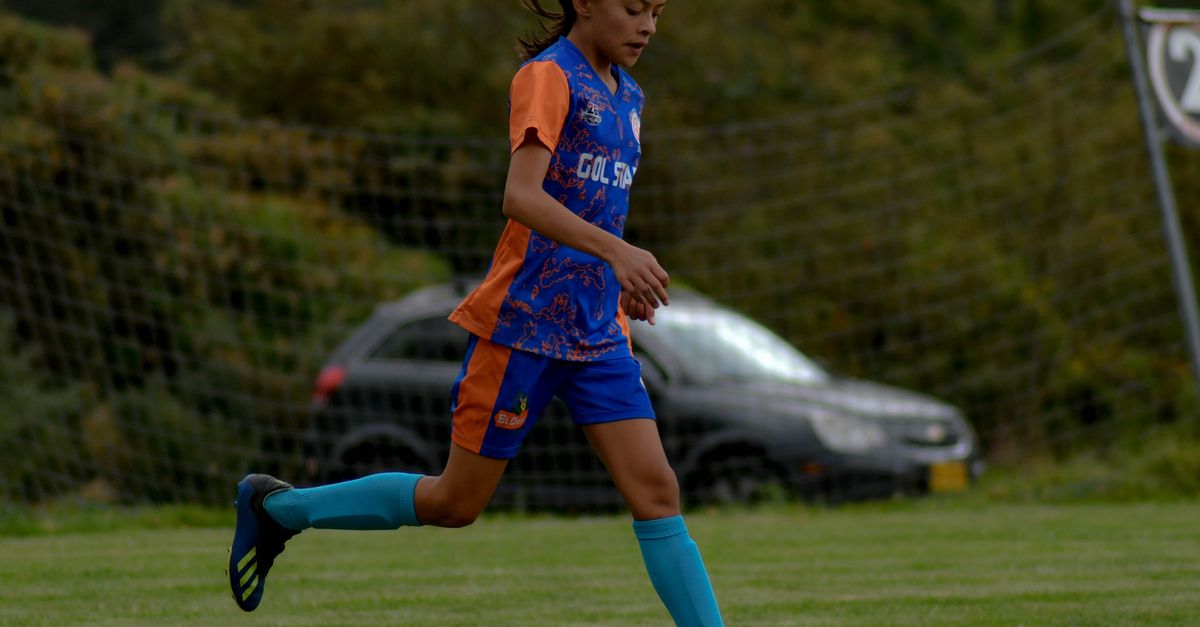
What This Means for Investors, Brands, and the Rest of Us
If you're an investor, the women's sports investment opportunity in 2025 is no longer a novelty play. It's a legitimate asset class with real revenue streams, growing audiences, and institutional backing. The window to get in early isn't closed—but it's narrowing.
If you're a brand, the calculus is simple: the audiences are here, the engagement is higher than almost any other sports category, and the cultural tailwind is enormous. The only question is whether you'll be remembered as a partner or a latecomer.
And if you're just someone who loves sports? Enjoy it. We're living through the moment when women's sports stopped being a niche and became the main event. My niece already knows that. The rest of the world is catching up.
What's your take—are you bullish on women's sports as an investment, or do you think the hype has outpaced the reality? Drop a comment or find me on CYBEV.io. I'm always up for a good debate.