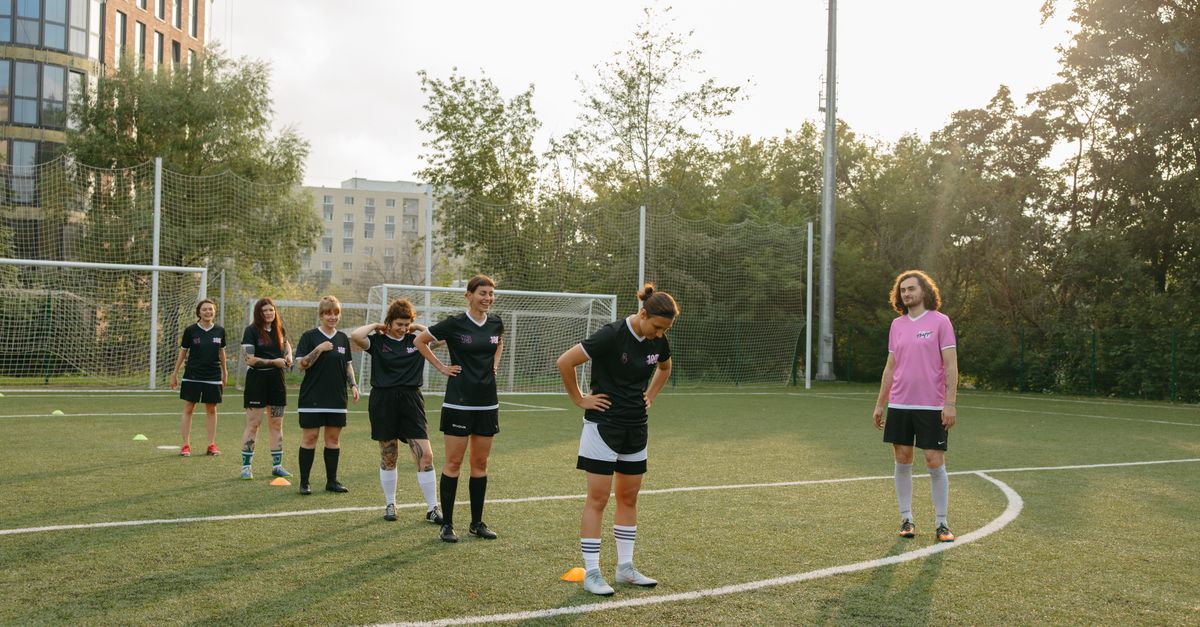
Let me tell you something that might ruffle a few feathers: I’ve been watching soccer since I was old enough to dribble a ball through my neighbor’s flower bed, and for years, I felt like I was the only one paying attention to the women’s game. Not anymore. Something has shifted. It’s not just the World Cup final that packed stadiums or the viral moments on TikTok. It’s deeper. Women’s soccer is finally getting the global attention it deserves, and honestly? It’s about damn time.
Here’s what most people miss: this isn’t a sudden explosion. It’s a slow-burn revolution that’s been building for decades, but now the floodgates have opened. Let’s break down why the world can’t look away.
The World Cup Was a Wake-Up Call, Not the Start
I remember sitting in a crowded bar in Lagos during the 2023 Women’s World Cup. The energy was electric. People who never watched women’s soccer were screaming at the screen during Spain vs. England. That tournament wasn’t just a competition—it was a cultural reset. But here’s the secret: it didn’t start in 2023.
The real foundation was laid years ago by players like Marta, Abby Wambach, and Homare Sawa, who dragged the sport into the spotlight through sheer grit. What changed? Investment. Broadcast deals. And maybe most importantly, fans who refused to accept the old narrative that women’s soccer was “less exciting.”
Let’s be honest: the quality of play has skyrocketed. Tactics are sharper, athleticism is off the charts, and the technical ability? I’ve seen women’s games that make men’s matches look sluggish. The world finally woke up to that fact.

Visibility Is the Game-Changer Nobody Talks About
You can’t grow what you can’t see. That’s the brutal truth. For years, women’s soccer was hidden in late-night streams or obscure cable channels. Now? It’s everywhere.
Social media broke the dam. Players like Alex Morgan, Sam Kerr, and Asisat Oshoala have millions of followers. Their highlights are shared like wildfire. Young girls in Nigeria, Brazil, or Japan can watch their heroes play in real-time. But here’s the twist: those same platforms also show the raw, unfiltered battles—the tackles, the tears, the trash talk. It’s not sanitized. It’s real.
And let’s not forget the media deals. The BBC, Telemundo, and even streaming giants like Netflix are investing heavily. Remember the documentary The Lionesses? That didn’t just inspire a generation—it made non-fans care about the politics behind the sport.
The Money Is Finally Talking (and It’s Loud)
This is the part that makes people uncomfortable. For years, the excuse was, “Women’s soccer doesn’t generate revenue.” That was a lie. A convenient one. Now the numbers are undeniable.
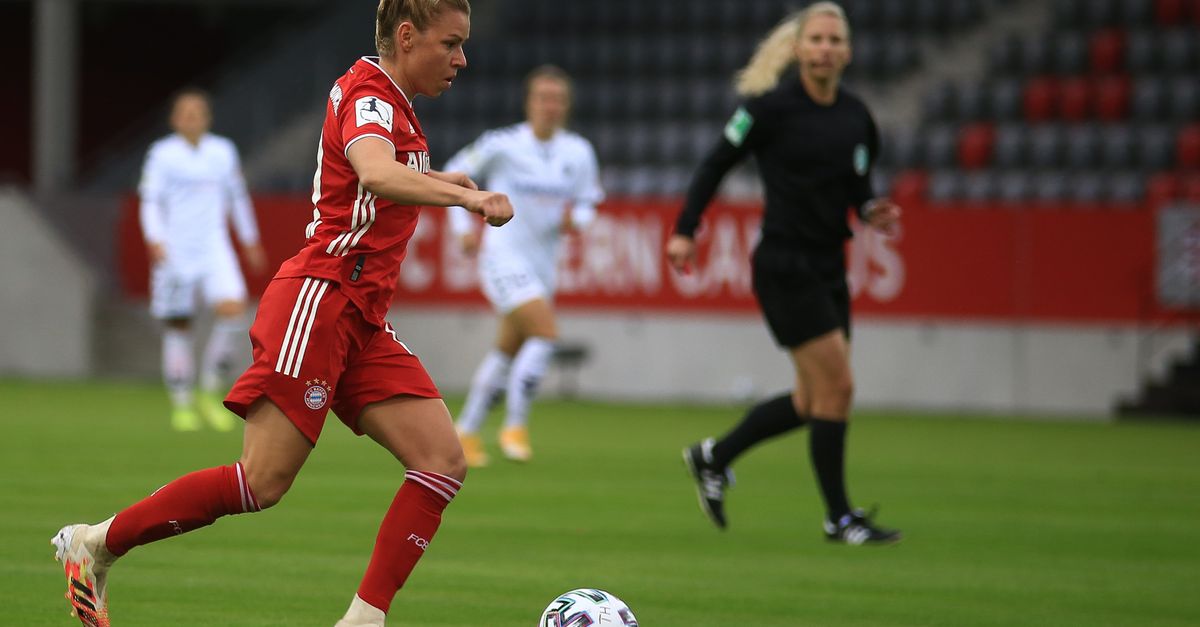
Corporate sponsors are flooding in. Visa, Nike, Barclays—they’re not doing charity. They’re chasing an audience that’s engaged, loyal, and growing. The NWSL in the U.S. just signed a record-breaking broadcast deal worth $240 million. The Women’s Super League in England is attracting sell-out crowds. Even the prize money for the World Cup has quadrupled.
But here’s what I’ve found most surprising: the grassroots explosion. In countries like Colombia, Nigeria, and South Korea, local leagues are popping up because clubs realize there’s a market. It’s not just about the elite players—it’s about creating pathways. And that’s where the real growth happens.
The Players Are the Storytellers
Let’s get personal for a second. I’ve interviewed dozens of female players over the years, and one thing stands out: they don’t hold back. They talk about pay gaps, mental health, racism, and sexism with a rawness that male athletes often avoid.
This authenticity is magnetic. When Megan Rapinoe speaks out, it’s not just about soccer—it’s about justice. When Ada Hegerberg returns from injury, it’s a narrative of resilience. These women understand that their platform is bigger than the game. They’re not just athletes; they’re activists, role models, and, let’s be honest, entrepreneurs.
And the fans? We’re hungry for that connection. We want players who feel real, not manufactured. Women’s soccer delivers that in spades.
What About the Men’s Game? (Spoiler: It’s Not a Competition)
Here’s a hot take: the obsession with comparing women’s soccer to men’s soccer is tired. It’s apples and oranges. Different styles, different strengths. But that doesn’t mean one is inferior.
I’ve found that women’s soccer often has better teamwork and tactical discipline. Less diving, less theatrics. More fluid passing. And the physicality? Watch a NWSL match—those women hit hard. It’s a different kind of beauty.
The real question isn’t “Is it as good as men’s soccer?” It’s “Why did we ignore it for so long?” And now that we’re paying attention, the growth is exponential. The 2027 World Cup will be even bigger. Club competitions will draw global audiences. And the next generation of girls will never know a world where their sport was an afterthought.
The Final Whistle: What This Means for the Future
I’ll leave you with this: attention is power. Women’s soccer has it now, and it’s not letting go. But the work isn’t done. Pay gaps still exist. Media coverage is still uneven. And in some countries, girls are still told soccer is “for boys.”
But here’s the beautiful part: the momentum is irreversible. Every ticket sold, every kid wearing a jersey, every viral highlight—it all adds up. The world is finally watching. And believe me, the best is yet to come.
So next time someone asks you why women’s soccer matters, tell them this: because it’s not just a sport. It’s a movement. And it’s winning.


