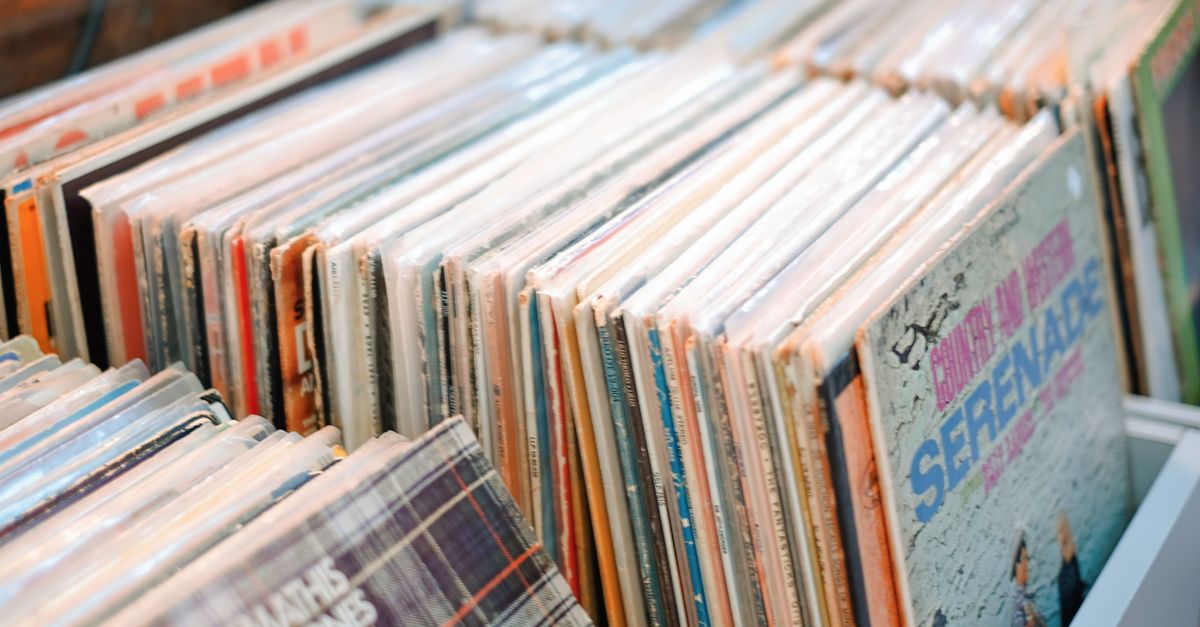
I did something embarrassing last week. I stood in line at a record store in Bologna for forty minutes to buy a reissue of a 1979 album I already own on CD. And I wasn't alone — the queue snaked past the counter, mostly people younger than the album itself.
Here's the number that stopped me cold: vinyl records have now outsold CDs for the third consecutive year, and 2025 is shaping up to be the biggest year for physical music in two decades. The format that was supposed to be a fossil is now the comeback story of the decade. If you'd told teenage me in 2003 — the year I burned my first mix CD — that I'd be paying €35 for a piece of black plastic in 2025, I'd have laughed in your face.
Yet here we are. And honestly? I get it now.

The Ritual Beats the Convenience
Let's be honest: CDs are technically superior in almost every measurable way. They're cheaper, they're more portable, they don't scratch if you look at them wrong, and you can rip them to your phone in five minutes. So why is everyone suddenly buying vinyl again?
Because music stopped feeling like an event. Streaming gave us infinite access and zero ceremony. You don't listen to an album on Spotify — you let it wash over you while you scroll. Vinyl forces the opposite. You pull the sleeve out, you read the liner notes, you lower the needle, and for twenty-two minutes per side, you're committed. You can't skip. You can't shuffle.
I've found that the records I actually remember from the past few years are the ones I own on vinyl. The streaming albums blur together. The vinyl ones become memories. That's not nostalgia — that's attention.
Here's what most people miss: the vinyl boom isn't about sound quality for most buyers. It's about presence. Owning something physical in a world where everything lives in the cloud feels almost rebellious.
Why 2025 Is the Tipping Point for Vinyl Records
This didn't happen overnight. Several things collided at once:
- Gen Z discovered their parents' format — and made it their own. Nearly half of vinyl buyers now are under 35.
- Record Store Day turned into a global holiday, with limited pressings selling out in minutes.
- Artists started treating vinyl as the main event, not an afterthought. Special editions, colored pressings, signed sleeves — the physical release is the marketing now.
- CDs got squeezed out of the middle. They're not cheap enough to be disposable and not special enough to be collectible. That's a brutal place to be.

The Hidden Cost Nobody Warns You About
I'm not going to pretend this is all romance. Vinyl has real downsides, and music lovers deserve the honest version.
First, prices have gone genuinely silly. New pressings routinely hit €30–40, and the secondhand market is full of speculators flipping "rare" variants like sneaker resellers. I've watched a record I paid €20 for in 2019 list at €90 on the same site. That's not collecting — that's a bubble.
Second, quality control has suffered. Pressing plants are running flat out, and warped discs, noisy surfaces, and botched masters are more common than they should be. My rule now: buy from labels with good reputations, and always check the pressing plant before hitting "add to cart."
Third, and this one stings: vinyl isn't automatically better sounding. A badly mastered record sounds worse than a good stream. The vinyl revival has produced some truly gorgeous pressings — and some lazy cash-grabs. Your ears can't tell the difference if the mastering was an afterthought.
Here's my honest advice: don't buy vinyl to hear your favorite song. Buy it to spend time with an album. If that distinction means nothing to you, keep streaming and save your money.
What This Means for Music Lovers (Beyond the Wallet)
This shift changes how artists get paid, and that matters more than we talk about. Physical sales put real money in musicians' pockets at a time when streaming pays fractions of a cent per play. When you buy a record at a show, the artist sees a meaningful cut. When you stream the same album 10,000 times, they see... lunch money.
I've started treating my record budget as a kind of direct subscription to the artists I actually care about. It's not charity — I get something beautiful out of it. But it's also a vote for the kind of music economy I want to exist.
And there's a social layer nobody predicted. Record stores became third places again. Listening bars are popping up in every city I visit. There's something quietly wonderful about a room full of strangers shutting up because a needle dropped.

The Format War Was Always a Lie
CD vs. vinyl was never really the point. Both are just delivery systems for the thing we actually care about: the feeling of being absorbed by an album. Vinyl is winning in 2025 because it's the format that best protects that feeling from the distraction machine we all live inside.
So here's my challenge to you this month. Pick one album you love — not a playlist, an album — and listen to it front to back with your phone in another room. No skipping. No scrolling. See what happens to your attention.
You might not need a turntable to do it. But I suspect you'll understand why so many of us are buying one anyway.
What's the last album that genuinely held your attention? I'm genuinely curious — drop it in the comments, and I might add it to my ever-growing, wallet-destroying want list.


