
I'm going to say something that would've gotten me laughed out of every record store in 2005: the CD was always the compromise, and deep down we all knew it.
We traded the warm ritual of dropping a needle for the cold click of a laser, and we told ourselves it was progress. Better sound. Portable. Indestructible. Except—and here's the part nobody wants to admit—it wasn't better sound. It was just convenient sound. And in 2025, convenience is finally losing to something more interesting: connection.
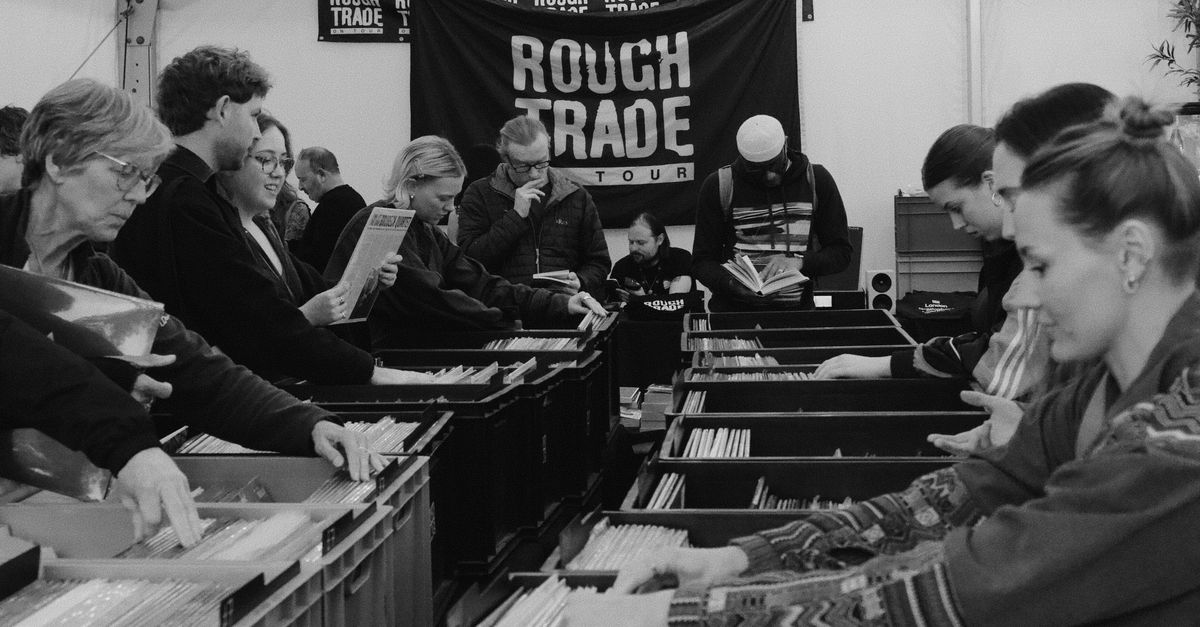
If you've been anywhere near a record store lately, you've felt it. The bins are picked over. The "new arrivals" wall is a feeding frenzy. And somewhere in the corner, a dusty CD rack is quietly gathering the kind of pity usually reserved for a forgotten Tamagotchi.
Let's get into why this is happening—and why it actually matters for anyone who cares about music.
The Numbers Don't Lie (Even If Your Dad Still Doesn't Believe Them)
Here's what most people miss: vinyl has been outselling CDs for years now, and the gap is widening, not shrinking. I know—you've heard the "vinyl revival" story so many times it feels like a tired trend piece from 2016. But this isn't a blip. It's a structural shift.
In 2025, vinyl is expected to account for the overwhelming majority of physical music revenue in the US and UK. CDs still move units—especially in Japan, where they remain culturally entrenched—but in the West? The CD has become the physical format nobody's nostalgic for. We didn't grow up romanticizing jewel cases and skipping. We grew up tolerating them.
I've found that when I ask friends why they buy records, the answer is never really about sound quality alone (though that's part of it). It's about the thing itself. The weight. The art. The act of placing the needle and committing to 20 minutes of listening without a notification interrupting you.
You can't doomscroll while flipping a record. That's the whole point.
Why Your Brain Craves the Ritual (And Your Streaming App Knows It)
Let's be honest: streaming is a miracle. Every song ever recorded, in your pocket, for the price of a fancy coffee. But it's also frictionless to the point of numbness. Skip, skip, skip. Algorithm, algorithm, algorithm. Music becomes background noise, not foreground experience.
Vinyl is the antidote to infinite choice. When you buy a record, you're making a commitment. You're saying: this, not everything else. And your brain—starved of tactile, deliberate experiences—responds to that like a plant to sunlight.
I've found that the records I own are the albums I actually know. Deeply. Front to back. I can't say the same for the 40,000 songs in my streaming library that I've half-heard once and forgotten. There's a reason psychologists keep talking about "attention restoration"—we're exhausted by digital abundance, and physical media gives us permission to focus.
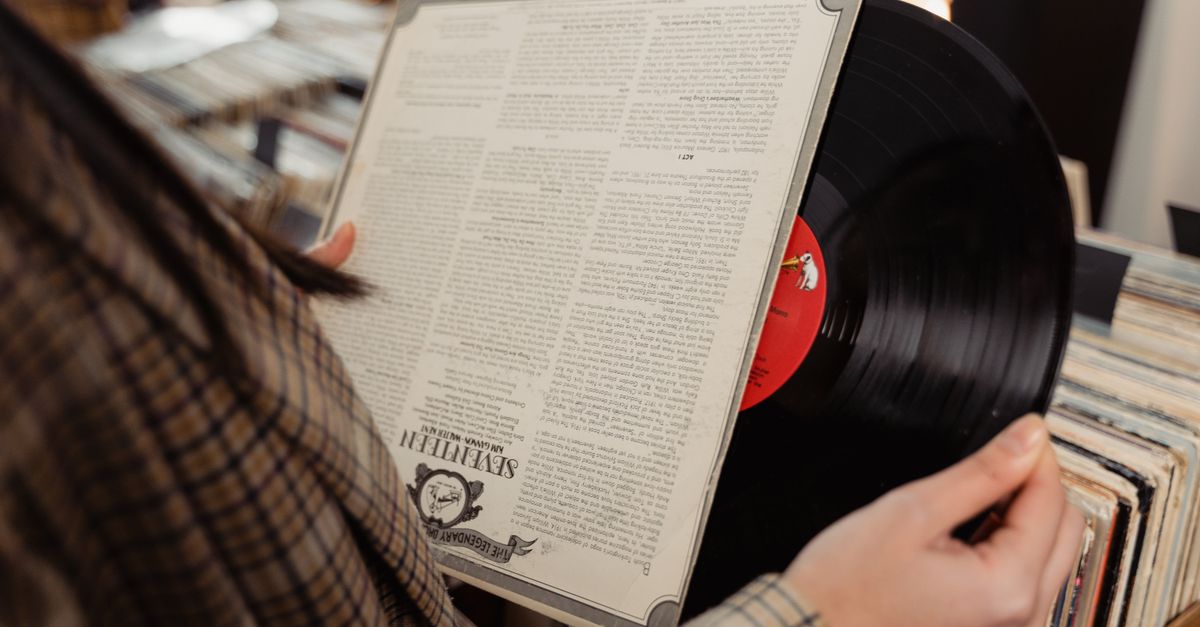
Is it a little performative? Sure. Owning records has become a personality trait. But here's what most people miss: the performance is the point. The ritual of pulling out a record, reading the liner notes, admiring the pressing—it's a form of mindfulness that happens to come with a soundtrack.
The Real Reason CDs Lost (Hint: It's Not About Sound)
This is where I'll ruffle some feathers. Audiophiles will tell you CDs are technically superior—higher dynamic range, no surface noise, perfect digital reproduction. And they're right on paper.
But music isn't consumed on paper. It's consumed in a room, by a person, with a mood and a history.
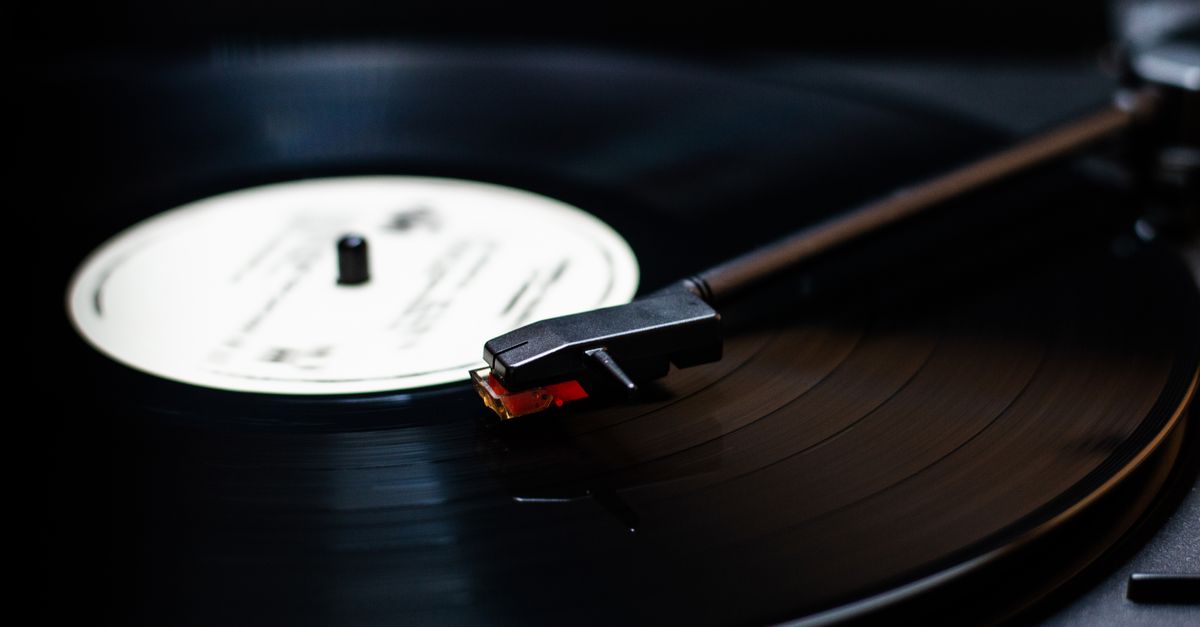
The CD's fatal flaw was never its sound. It was its soullessness. The plastic jewel case that cracked if you looked at it wrong. The booklet that was really just a fold-out ad. The way a CD could get scratched into oblivion by a single careless afternoon. Vinyl, for all its fragility, at least wears its history visibly. A crackle here, a warp there—it's a record of where it's been and who's loved it.
I've found that my scratched CDs feel like mistakes. My crackly records feel like memories.
There's also the economics of it. Artists make more from vinyl than almost any other format. When you buy a record at a show, you're not just buying music—you're directly funding the person who made it. In an era where streaming pays fractions of a cent, that matters more than ever. The vinyl boom isn't just nostalgia—it's a quiet rebellion against the devaluation of music itself.
What This Means for Music Lovers (Yes, Even the Skeptics)
So what do you actually do with this information? A few things:
- Start small. You don't need a $2,000 turntable and a wall of wax. A $150 setup and five albums you genuinely love will change how you listen.
- Buy from artists directly. Bandcamp, merch tables, indie labels. Your money goes further and means more.
- Reconsider the CD. I'm not saying abandon it—the CD is still the cheapest way to own music physically, and for car listening, it's undefeated. But don't pretend it's the same experience.
- Let the ritual back in. Whatever format you choose, make listening an event again. Put your phone in another room. Read the credits. Sit with an album like it's a conversation, not a snack.
The Part Nobody's Saying Out Loud
I'll leave you with this. The vinyl resurgence isn't a victory lap for audiophiles or a rebuke to streaming. It's a symptom of something bigger: we're collectively realizing that friction isn't always the enemy of joy. Sometimes it's the source of it.
The next time you're tempted to skip a track because the first ten seconds didn't grab you, remember that someone once designed an entire album as a journey—and expected you to take it. The next time you buy a record, notice that you're not just purchasing music. You're purchasing time, attention, and a small act of defiance against the scroll.
So here's my challenge: pick one album this month and listen to it like it's 1975. No skipping. No second screen. Just you, the music, and whatever crackles come along for the ride.
You might be surprised by what you hear—and what you remember about why you fell in love with music in the first place.
And if you've got a favorite record that changed your life, tell me about it. I'm always building the next crate-digging list, and honestly? The best recommendations come from people who actually listen.


