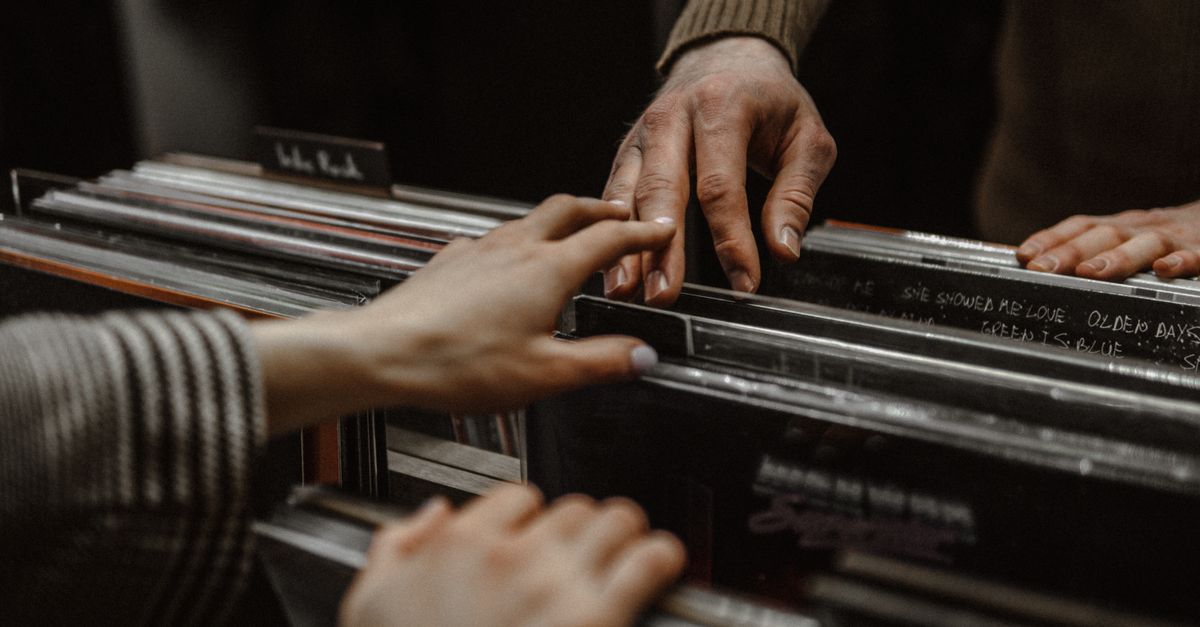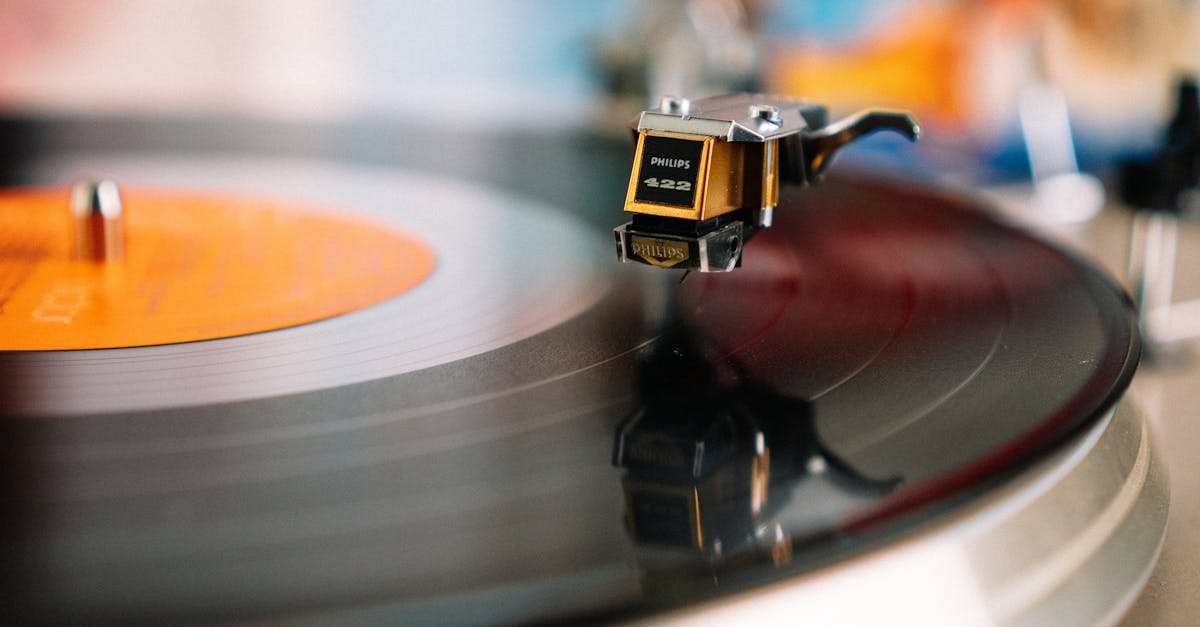
I was standing in my living room last weekend, watching a friend carefully lower the needle onto a fresh-pressed copy of Rumours. The room went quiet. Then came that familiar pop and hiss — the sound of dust and electricity and, somehow, memory. My friend closed his eyes, clearly transported. I, meanwhile, was checking my phone to see if the same album was on Spotify.
Here’s the thing: I own a record player. I buy vinyl. And I still stream almost everything I listen to.
I used to feel guilty about this, like I was cheating on the "pure" format. But then I started digging into the data behind the vinyl boom, and I realized something that flipped my understanding completely: *the vinyl comeback isn't a rebellion against streaming. It's a secret weapon for streaming.
The Numbers Are Weirder Than You Think
Let's get one thing straight — vinyl is absolutely crushing it. In 2023, vinyl records outsold CDs for the second consecutive year in the US, moving over 49 million units. That's a 15% jump from the year before. Meanwhile, streaming remains the undisputed king of music consumption, generating over 80% of industry revenue.
But here's where it gets strange. The people buying vinyl are also the people streaming the most. You'd think it would be the opposite — that vinyl buyers are luddites clinging to the past. Nope. A recent study from MRC Data (now Luminate) found that vinyl buyers stream music 24% more than the average music consumer.
Let that sink in for a second.
The folks contributing to the vinyl boom are not analog purists. They're digital natives who want a physical piece of something they already love digitally. They're not replacing their Spotify subscription with a turntable. They're adding to it.
The "Hiss" Is a Marketing Tactic, Not a Flaw
Now, about that hiss. For years, audiophiles have told us the warmth of vinyl comes from its imperfections — the subtle crackle, the low-end warmth, that organic feel you just can't get from a lossless digital file.
Here's what most people miss: that hiss is doing heavy lifting in your brain.
Neuroscientists have studied this. The "vinyl sound" triggers what's called a sensory halo effect. Because your brain has to work slightly harder to filter out noise, it fills in the gaps with emotional memory. You're not just hearing the music — you're reconstructing it. That process makes the experience feel more personal, more intimate.
But here's the kicker — the music industry knows this. They've known it for years.
Record labels discovered that the perception of vinyl's superiority creates a halo effect that extends to the digital versions of the same albums. When you buy a vinyl record, you're more likely to stream that same artist's catalog. You're more likely to buy concert tickets. You're more likely to share the music on social media.
Vinyl isn't competing with streaming. It's a gateway drug for it.
Why Your Playlist Is Actually Fueling the Pressing Plants
I've found that most people assume vinyl sales are driven by nostalgia — by older generations reliving their youth. The data says otherwise. The average vinyl buyer is between 25 and 35 years old. They grew up with iPods, not turntables.
So why are they buying?
Let's be honest — it's not about sound quality. A CD or a high-res digital file objectively reproduces the music more accurately. No one can scientifically argue that vinyl sounds "better" in any measurable way. What vinyl offers is tactile ownership in an era of ephemeral content.
Here's the surprising part: every vinyl purchase is a data point that feeds the streaming economy. When you buy a record, you're engaging with music in a deeper, more intentional way. That engagement translates to more streams across the board.
Consider this — the vinyl boom has resurrected entire pressing plants that were shuttered in the 90s. Those plants create physical product, which creates retail foot traffic, which creates impulse discoveries, which leads to more Shazams, which leads to more streams. The ecosystem is interlinked in ways most people don't see.
The Secret Metrics Streaming Services Don't Want You to Know
Now we're getting into the juicy stuff.
Streaming platforms like Spotify and Apple Music are obsessed with one metric above all others: user engagement. The more time you spend on the platform, the more ads you see (or the more likely you are to upgrade to Premium). Vinyl is a massive driver of this engagement, and here's how:
- Vinyl buyers are 3x more likely to create custom playlists based on records they own.
- They're 2x more likely to use the "Discover Weekly" feature to find similar artists.
- They listen to entire albums, not just singles — which boosts completion rates, a key metric for platform algorithms.
The vinyl boom is essentially a marketing funnel for streaming services. And they're not complaining.
The Economics of Double-Dipping
Let's talk money, because that's really what's driving this.
Record labels have figured out a brilliant strategy: release an album on vinyl first, then drop it on streaming platforms a week or two later. This creates a "scarcity window" that drives vinyl sales AND builds anticipation for the streaming release.
During that window, fans are posting unboxing videos, sharing photos of the record spinning, and creating a digital buzz that the label doesn't have to pay for. By the time the album hits Spotify, the audience is already primed. The result? Higher first-week streaming numbers than if they'd released everything simultaneously.
This is called the vinyl halo effect in industry circles — and it's a deliberate strategy.
Here's what most people miss: the physical record is a loss leader. Labels often barely break even on vinyl production. The real profit comes from the streaming surge that follows. They're not selling records to make money on records — they're selling records to sell streams.
The Hiss Is the Algorithm's Best Friend
Look, I love the hiss. I genuinely do. When I drop the needle on a vintage pressing of Kind of Blue, that crackle feels like stepping into a time machine. It's not about fidelity; it's about intention. You have to flip the record. You have to get up. You have to commit.
But here's the uncomfortable truth: that commitment is exactly what streaming algorithms reward.
When you sit and listen to a full side of a record, you're training your brain to focus on music for 20-25 minutes uninterrupted. That focus carries over to your streaming habits. You're less likely to skip tracks. You're more likely to explore deeper cuts. You're more likely to notice what you're listening to.
The algorithm sees this behavior and reinforces it. It recommends more of the same. Your taste profile sharpens. Your listening time increases. Everyone wins.
So... Is Vinyl Just a Gimmick?
I get asked this a lot. And I used to think the answer was "kind of." But the data has changed my mind.
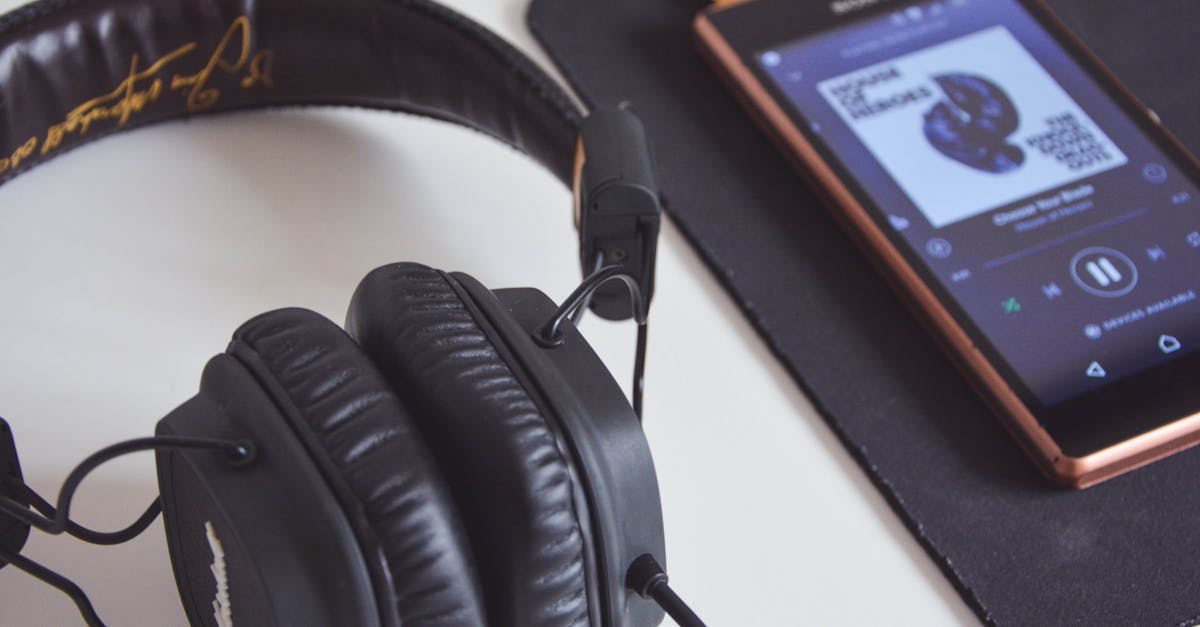
Vinyl isn't a gimmick. It's a ritual that deepens your relationship with music. And that deeper relationship has a measurable impact on how you consume music digitally. The hiss, the pops, the inconvenience of flipping the disc — they're not flaws. They're features that make you care more.
And when you care more, you stream more. You buy tickets more. You tell your friends more.
The vinyl comeback isn't a rejection of the digital age. It's the most sophisticated marketing strategy the music industry has accidentally stumbled into since the cassette tape walkman.
Here's what I want you to take away from this: don't feel guilty about buying records and* streaming. They're not opposites. They're partners. The hiss isn't a rebellion — it's a secret handshake between the past and the present.
So next time you drop the needle, don't feel like you're escaping the algorithm. You're feeding it. And honestly? I think that's beautiful.
Now if you'll excuse me, I need to flip this record.