Last Tuesday, I watched my neighbor, a guy who builds custom gaming rigs for fun, nearly throw his laptop into the pool. He was trying to order a specific AMD GPU for his son’s birthday build. The price had doubled in six months. The delivery date? "We’ll let you know." That’s not a business model. That’s a hostage situation.
We’ve all heard the news cycle: “Chip shortage easing!” “Supply chains stabilizing!” Let’s be honest — that’s mostly corporate PR spin. If you’ve tried to buy a new car, a PlayStation 5, or even a decent smart thermostat in the last year, you already know the truth. The global chip shortage is far from over. In fact, I’d argue we’re entering a new, more annoying phase. Here’s what’s actually happening under the hood — and why your wallet is about to feel it.
The "Good News" Trap — Why Stabilization Isn't Recovery
You’ve probably seen headlines about TSMC and Samsung ramping up production. Yes, output is higher than it was in 2021. But here’s what most people miss: "Stabilization" doesn't mean "abundance." It means we’ve stopped falling off a cliff. We’re now just stuck in a ditch.
The semiconductor industry runs on a brutal 12-to-18-month lead time for advanced chips. Even if every factory on Earth started running at 110% capacity today, the chips we’d need for the 2025 holiday season aren’t even baked yet. I’ve found that the biggest bottleneck isn’t just making the chips — it’s the substrates, the specialty chemicals, and the ultra-pure water needed to make them. One fire at a Japanese chemical plant in 2023? That set back entire production lines by six months.

So when a CEO says “the worst is behind us,” take it with a grain of salt. They’re talking about their stock price, not your ability to buy a refrigerator without a six-week wait.
Why Your Car (and Your Toaster) Are the Real Victims
Most people think the chip shortage is about high-end CPUs and gaming consoles. That’s the sexy story. The real crisis is hiding in the mundane. Modern cars use anywhere from 1,000 to 3,000 chips. Not fancy processors — humble microcontrollers that manage your windows, your brake sensors, and your infotainment screen.
Here’s the kicker: These are older, cheaper chips made on legacy 28nm or 45nm nodes. Guess what? Nobody is building new factories for those. Every new fab being built is for cutting-edge 3nm or 5nm chips for AI data centers and flagship phones. The factories making the chips for your dishwasher and your SUV are literally ancient. And they’re still broken.
- New cars: You’re still paying above MSRP because dealers know you can’t walk to another lot and find the same model.
- Appliances: That smart oven with the fancy screen? It now ships with a stripped-down chip that takes three seconds to register a button press.
- Medical devices: Hearing aids, insulin pumps, and CPAP machines are facing delays that aren’t making headlines but are affecting real people’s health.
The AI Gold Rush Is Stealing Your Chips
Let’s talk about the elephant in the server room. Nvidia’s H100 and B200 AI chips are consuming the entire world’s advanced packaging capacity. These things cost $30,000 each, and hyperscalers like Microsoft, Amazon, and Google are buying them by the tens of thousands.

What does that mean for you? It means TSMC’s CoWoS (Chip-on-Wafer-on-Substrate) packaging lines — the exact same lines that make high-end laptop chips and server CPUs — are booked solid for the next two years. AI is literally cannibalizing the supply of chips for everything else.
I’ve spoken to small electronics manufacturers who can’t get allocation for chips they’ve used for a decade. The chip fabs tell them, “Sorry, we’re prioritizing high-margin AI orders.” So your next laptop might have a slightly slower processor, or it might cost 20% more, not because the chip is rare, but because the packaging for that chip is being used to stack memory on an AI accelerator.
What This Actually Means for Your Wallet (The Boring, Painful Truth)
I hate doom-scrolling as much as the next person, so let’s get practical. Here’s what the next 18 months look like for the average consumer:
- Electronics will not get cheaper. That $1,500 laptop you bought in 2020? The 2025 equivalent will cost $1,800, with fewer ports and less RAM.
- Wait times will remain unpredictable. Want a custom-built PC? Expect a 2-4 week delay on specific power supplies or motherboards.
- Subscription models will explode. Since hardware is expensive to make, companies will push you to “subscribe” to a phone or a car to smooth out their cash flow. You’ll own less, rent more.
- Secondhand markets will be king. I’ve found that buying a used, three-year-old flagship phone is often a better deal than a new mid-range phone. The used market is the only place with stable supply.
The Hidden Opportunity Nobody Is Talking About
Here’s where I flip the script. While the shortage sucks for consumers, it’s creating a massive shift in where chips are made. The US CHIPS Act and similar legislation in Europe and Japan are funding new factories. But the real opportunity is in chip design for legacy nodes.
Most startups chase AI. Smart money is going into companies that design efficient, low-cost chips for cars and appliances using older, proven manufacturing processes. The shortage is forcing innovation in efficiency, not just speed.
I’m also seeing a rise in modular electronics — phones and laptops where you can swap out the mainboard instead of the whole device. This is good for the planet and good for your wallet.
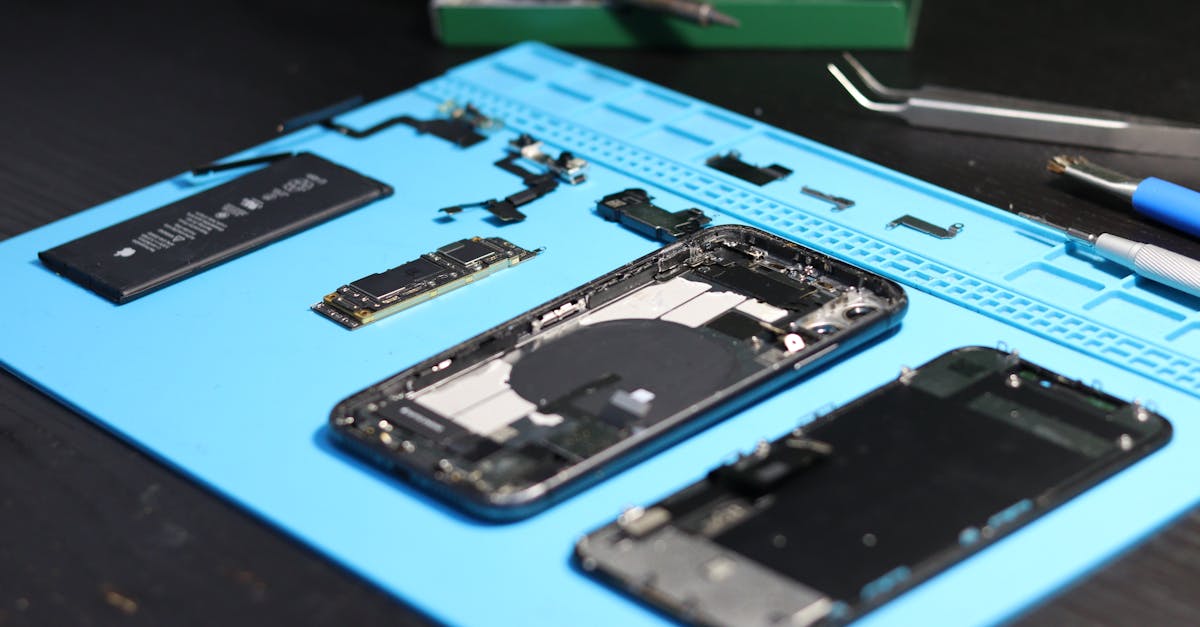
The Bottom Line — Stop Waiting for "Normal"
If you’re waiting for 2019-level chip availability and pricing, you will be waiting until 2027 at the earliest. This is the new normal. The era of cheap, abundant, instantly available electronics is over.
My advice? Buy what you need now if you can find it at a reasonable price. Don’t upgrade for the sake of it. Learn to repair things. And for the love of everything, if you see a chip stock dip on the news, don’t panic — the shortage is the only thing keeping those stock prices afloat.
We’re living through a massive industrial reset. The chips aren’t coming back tomorrow. But if you understand the game, you can at least stop getting played.
What’s the one gadget you’ve been waiting months for? Drop it in the comments — I’m genuinely curious how bad the delays are for real people.