
Let me tell you something that would've sounded insane five years ago: a kid with a 1580 SAT and a 4.0 GPA just got rejected from a mid-tier university while a student with a 3.6 and a passion for community organizing got in. Same school. Same cycle.
I've been watching college admissions closely for years, and I've noticed a shift that most families are still completely missing. The rules have changed, and they changed quietly.

The GPA Arms Race Is Over (Sort Of)
Here's the uncomfortable truth: almost everyone applying to selective colleges has good grades now. When 40,000 students apply for 2,000 spots, a 4.2 GPA stops being impressive and starts being table stakes. You're not special for hitting the mark everyone else hit.
So what's left? What actually separates a stack of near-identical transcripts?
Soft skills. Communication. Empathy. Adaptability. Leadership that isn't just a title on a resume. The ability to walk into a room and make people want to work with you.
I've found that admissions officers — real humans reading thousands of applications — are desperate for evidence of these qualities. They're not just building a freshman class. They're building a community. And communities are held together by people who can actually relate to other humans.
What "Soft Skills" Actually Means (Because It's Not Fluffy)
Let's be honest — "soft skills" is a terrible name. It makes them sound optional, like a garnish on the real meal. But think about what they actually are:
- Collaboration — can you work with someone who annoys you and still produce something great?
- Resilience — what do you do when your plan falls apart at 2 a.m.?
- Curiosity — do you ask questions because you're genuinely interested, or because you want a grade?
- Self-awareness — do you know your weaknesses and can you talk about them without crumbling?
- Communication — can you explain a complex idea to someone who doesn't share your background?

Why Admissions Officers Are Obsessed With Essays Now
The essay used to be a tiebreaker. Now it's often the whole game.
Here's what most people miss: your essay isn't really about your topic. It's about how you think, how you reflect, how you connect dots. Two students can write about the same summer job and one essay will be forgettable while the other makes an admissions officer tear up.
I've read hundreds of these essays (I help students with them), and the pattern is brutal in its consistency. The essays that land are the ones where the writer shows genuine emotional intelligence — they reveal how they handled conflict, failure, or an awkward moment with grace and humor. The essays that flop are the ones where a kid lists accomplishments in paragraph form and calls it a story.
Colleges are asking themselves one question: "Would I want to be in a seminar with this person for four years?" That's a soft-skills question. It has almost nothing to do with your calculus grade.
The Activities Section Is a Soft-Skill Goldmine
Let me tell you something that surprised me. When I started digging into how admissions officers actually read the activities section, I expected them to count leadership titles. Instead, they told me they're looking for evidence of impact and collaboration.
A student who organized a neighborhood cleanup and got thirty people to show up is more compelling than a student who was "president" of a club that met twice a year. Why? Because the first student demonstrated initiative, persuasion, logistics, and follow-through. Those are soft skills in action.
The second student demonstrated... attendance.
Here's the reframe that changes everything: stop listing positions and start showing moments. When did you convince someone to change their mind? When did you step up when no one else would? When did you fail and then fix it? That's the currency colleges are actually buying.
How to Build Soft Skills (Without Faking It)
You can't fake this stuff. Admissions officers have read thousands of essays and they can smell performance from a mile away. So the answer isn't "pretend to have soft skills." It's "actually develop them." And honestly, that's better for you anyway.
Three things that work:
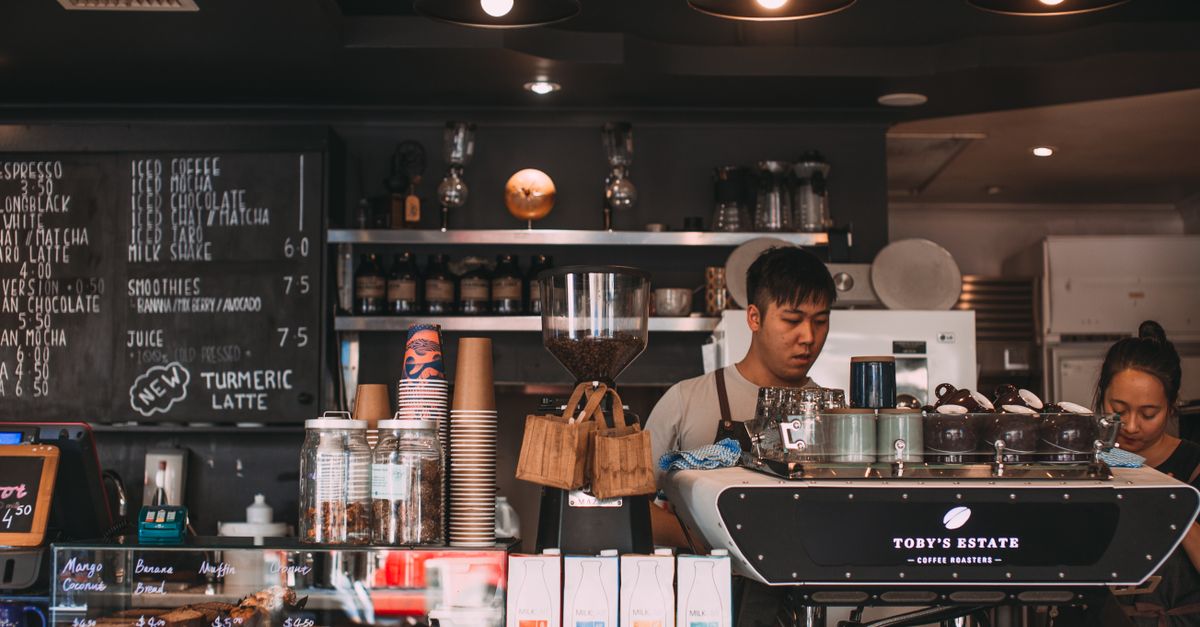
- Get a job where you deal with the public. Retail, food service, tutoring — anything that forces you to read a room and manage a frustrated human. That's a masterclass in communication.
- Lead something small and real. Not a club with a fancy name. Something with a goal, a deadline, and people who'll let you down if you don't manage them well.
- Reflect on paper regularly. Keep a journal. Not for anyone else — for you. The students who write the best essays are the ones who've already been thinking about their own experiences for years.
The Families Who Get This Early Win Big
I've noticed something about the students who sail through admissions with options: their families started this work in ninth grade, not senior fall. Not by gaming the system — by encouraging their kid to take risks, talk to strangers, lead small things, and reflect on it all.
That's it. That's the whole secret. Soft skills compound. Every awkward conversation you survive makes you better at the next one. Every project you lead teaches you something a test can't measure.
Meanwhile, the families who obsess over test prep and AP stacking are watching their "perfect" kids get waitlisted, confused about why. The answer is sitting right in front of them: the game changed, and they didn't.
Your Move
So here's my challenge to you, whether you're a student or a parent: this week, do one thing that builds a soft skill. Have a hard conversation. Volunteer for something messy. Join a team where you're not the best person in the room.
Because here's the thing nobody says out loud — colleges aren't just choosing students anymore. They're choosing future roommates, collaborators, and community members. If you can show them you're the kind of person people want around, you've already won.
What soft skill are you working on right now? I'd genuinely love to know.





