
You know that moment when you’re scrolling through Instagram at 11 PM, watching someone stir a wooden spoon in a cast-iron pot while wearing a linen apron, and you think, “Yeah, I could totally live like that”? Then you look at your own life—three tabs open, a half-eaten protein bar on your desk, and a calendar that looks like a ransom note—and you laugh. But here’s the thing: slow living isn’t about becoming a different person. It’s about becoming a less frantic one.
Let’s be honest. The “hustle culture” era is exhausted. We’ve been sold the lie that busyness equals value, and it’s left us burnt out, anxious, and scrolling for validation. I’ve found that the real rebellion isn’t working harder—it’s moving slower. And this year, slow living is the self-care trend that actually delivers.
The Hidden Truth About “Doing Nothing”
Here’s what most people miss: slow living isn’t laziness. It’s intentionality. It’s the radical act of choosing what deserves your energy, rather than letting the world decide for you.
I used to think self-care meant bubble baths and face masks. You know, the stuff you buy. But let’s be real—those are band-aids. They treat the symptom (stress), not the cause (overwhelm). Slow living targets the cause. It’s about shrinking your to-do list to fit your humanity, not expanding your humanity to fit your to-do list.
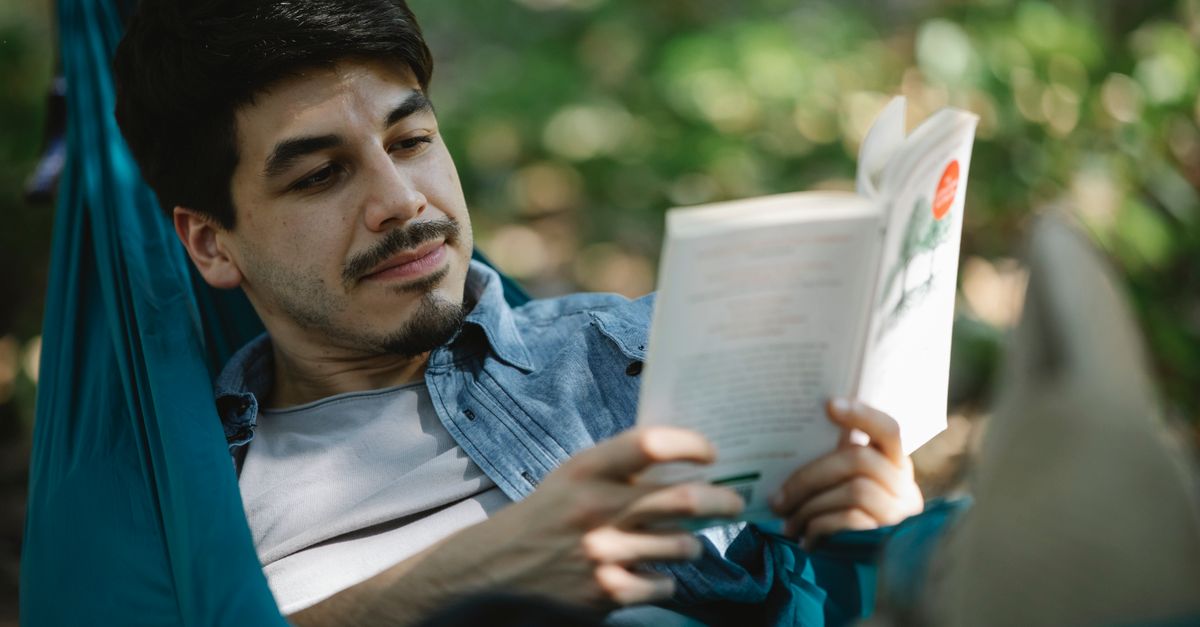
Consider this: A study from the University of California found that people who practiced “slow” activities—like walking without a destination, cooking from scratch, or reading a physical book—reported 30% lower cortisol levels than those who multitasked. That’s not woo-woo. That’s biology.
Why Your Phone Is Your Biggest Frenemy
I’m going to say something controversial: Your “self-care” app might be ruining your peace. Meditation apps, habit trackers, productivity timers—they’re all tools. But tools become cages when we use them to optimize every second.
Slow living asks you to put the phone down and experience the boredom. And here’s the secret: boredom is where creativity lives. It’s where you remember you like the smell of rain, or that you actually enjoy talking to your neighbor, or that you’re capable of sitting still without reaching for a dopamine hit.
I’ve found that the first three days of slowing down feel like withdrawal. You’ll want to check email, open TikTok, start a new project. That’s the addiction talking. Push through. By day four, your brain starts to breathe. By week two, you’ll wonder why you ever lived at warp speed.
3 Signs You Need Slow Living More Than a Vacation
- You feel guilty when you’re not “productive.” Even on weekends. Even on vacation.
- Your best ideas come in the shower because it’s the only place you’re not consuming.
- You’ve forgotten what it feels like to be bored—and you’re scared of it.
The 10-Minute “Slow” Reset (No Linen Apron Required)
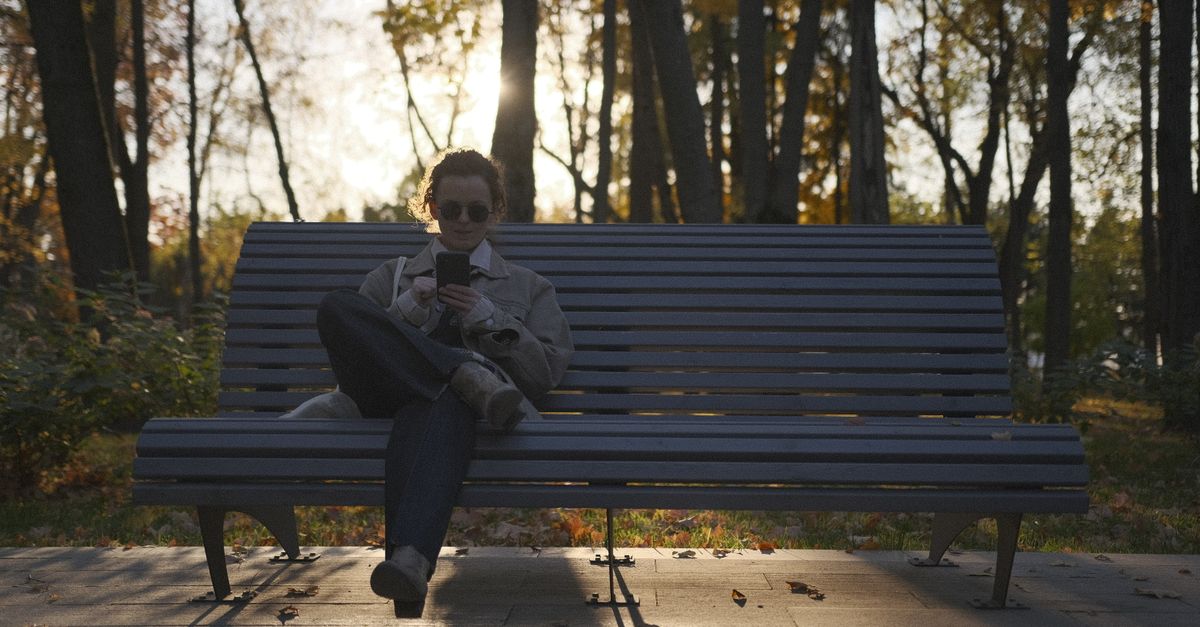
You don’t need to move to a cabin in the woods to embrace slow living. You don’t need to grow your own kale or knit your own socks. Start with 10 minutes a day. Here’s a method I’ve tested on myself (a recovering multitasker):
- Morning: Instead of checking your phone first thing, sit with your coffee or tea for 10 minutes. No scrolling. No talking. Just you and the warm mug. This sets your nervous system for the day.
- Midday: Eat one meal without any screens. Chew slowly. Taste the food. I promise it’s better than you remember.
- Evening: Do one “slow” task by hand. Fold laundry, wash dishes, water plants. Don’t rush it. Feel the texture, the temperature, the rhythm.
The Surprising Link Between Slow Living and Better Relationships
Here’s something I didn’t expect: when I slowed down, I became a better friend, partner, and human. Speed kills connection. When you’re always rushing, you listen to respond, not to understand. You interrupt. You check your watch. You’re physically present but mentally elsewhere.
Slow living teaches you the art of being with. I’ve found that conversations now feel deeper. I notice micro-expressions, pauses, the weight of someone’s words. And people notice. They feel heard. That’s the kind of self-care that ripples outward—it heals you and everyone around you.
Think about it: How many times have you said “I don’t have time” to a friend? The truth is, you have the same 24 hours as everyone else. You’re just choosing to spend them differently.
The Counterintuitive Secret: Slow Living Makes You More Productive
I know, I know. This sounds like a contradiction. But hear me out. When you stop trying to do everything, you start doing the right things well.
A 2019 Harvard Business Review study found that knowledge workers who took “unstructured” breaks—no phone, no goal, just downtime—solved complex problems 40% faster than those who pushed through. Your brain needs fallow periods to connect dots.
I’ve applied this to my own writing. Instead of forcing myself to write for four hours straight, I write in focused 45-minute bursts, then take a 15-minute “slow” break. I stretch, stare out the window, or make tea. My output hasn’t dropped—it’s improved. The quality is higher, and I don’t hate my job at the end of the day.
So no, slow living isn’t anti-success. It’s anti-burnout. And burnout is the real killer of success.

Your Permission Slip to Decelerate
Here’s your truth for today: You are not a machine. You’re a creature that needs rest, reflection, and rhythm. The slow living trend isn’t about perfection—it’s about permission. Permission to say no to the 11th meeting. Permission to leave your phone in another room. Permission to exist without earning.
I’m not saying burn your planner or quit your job. I’m saying try an experiment: For one week, intentionally do one thing slower than usual. Walk slower. Eat slower. Talk slower. See what shifts.
You might find that the life you’ve been chasing was always right here, in the moments you were too fast to notice.
Now, go make some tea. Sit down. And do absolutely nothing for five minutes. That’s not selfish. That’s self-care.





