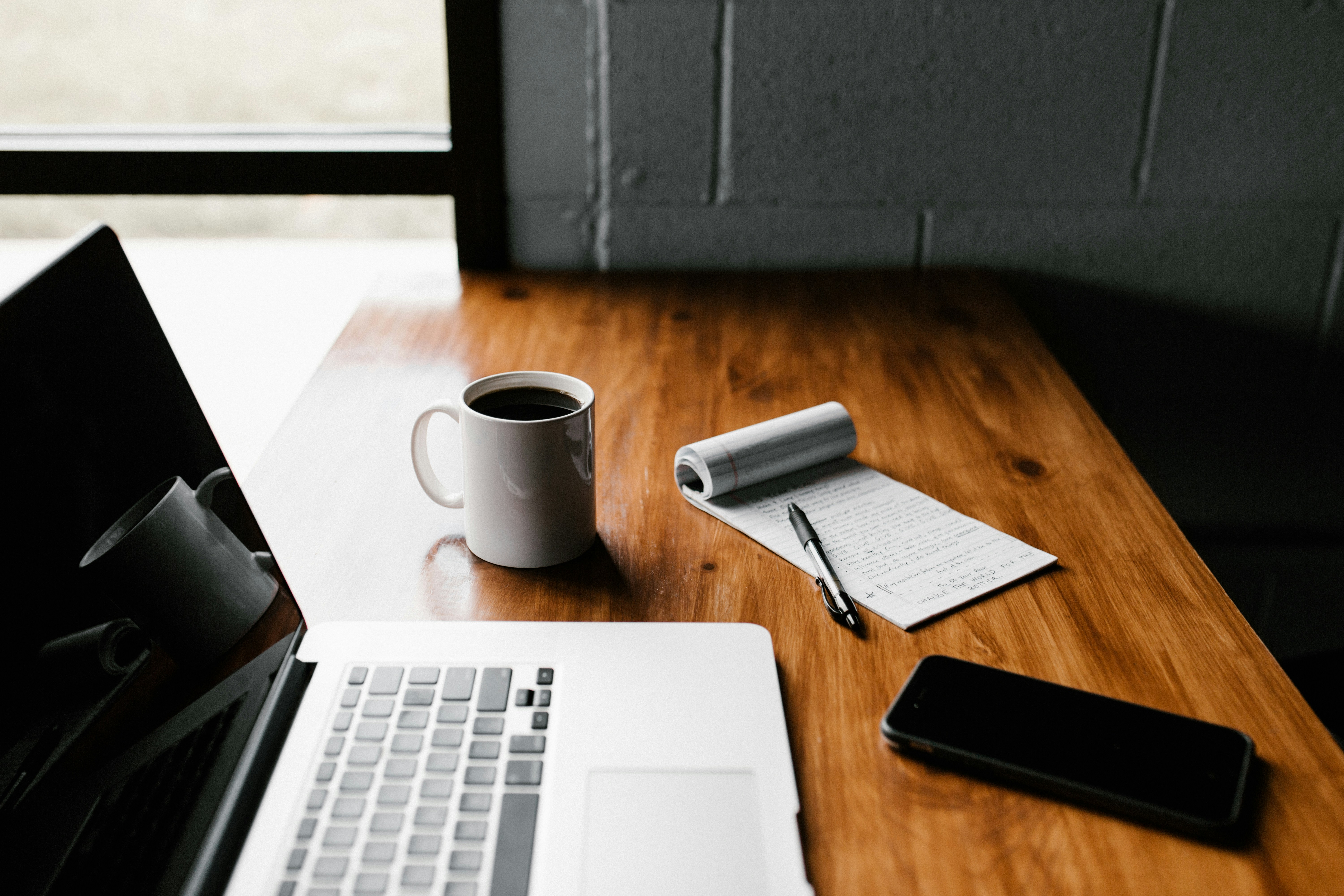
I was lying on my living room floor at 2 AM, doom-scrolling through photos of strangers’ avocado toast, when it hit me: I had curated a life so “productive” that I’d forgotten how to breathe. My calendar was a masterpiece of efficiency—yoga at 6 AM, emails by 7, meetings back-to-back until 6 PM, then a “relaxing” bath I timed with a stopwatch. I was treating self-care like a corporate KPI, and let me tell you, I was failing the audit.
That’s when I stumbled into the slow living movement, not by choice but by collapse. I burnt out so hard I couldn’t move for three days. And in that forced stillness, I discovered something shocking: slow living isn’t about being lazy. It’s about being radically intentional. Most people miss this. They think it’s for hippies or retirees, but here’s the truth—it’s the missing puzzle piece in the modern self-care conversation.

The Hidden Cost of “Hustle Culture” Self-Care
Let’s be real for a second. The self-care industry has sold us a bill of goods. We’re told to buy the $80 candle, book the $200 facial, and download the $15 meditation app. But here’s what nobody tells you: you can’t out-purchase a soul that’s running on empty.
I used to think self-care meant doing more things for myself. More bubble baths, more journaling prompts, more green smoothies. But I was still operating at the same frenetic pace, just with better products. It was like putting perfume on a garbage fire.
The slow living approach flips this completely. It asks: What if you just… stopped? Not for a day, not for a weekend, but as a lifestyle. I’ve found that when I remove the pressure to “optimize” every moment, I actually have more energy for the things that matter. The irony is delicious.
What Slow Living Actually Looks Like (Spoiler: It’s Not Boring)
People hear “slow living” and picture a woman in linen baking sourdough in a cottage with no Wi-Fi. That’s one version, sure, but it’s not the whole picture. For most of us regular humans, slow living is about subtraction, not addition. It’s the radical act of doing less, better.
Here’s what I’ve actually changed in my life:
- I stopped multitasking during meals. No phone, no podcast, no work emails. Just me and my food. The first week, I was bored out of my mind. By week three, I craved those 20 minutes of silence.
- I built in “slop time” between tasks. Instead of scheduling back-to-back, I leave 15-minute gaps. These pockets of nothing are where joy sneaks in—a spontaneous call with a friend, a moment to watch clouds.
- I said no to three social events per month. Yes, I hurt some feelings. But I also stopped dreading my weekends.
The 3 Surprising Benefits Nobody Talks About
I’ve been practicing slow living for about six months now, and the results aren’t what I expected. Here are the three things that genuinely shocked me:
1. My Decision Fatigue Vanished
When you stop cramming your day with 47 micro-decisions, your brain has room to breathe. I used to spend 20 minutes deciding what to eat for lunch. Now? I eat the same thing three days in a row. Boring? Yes. Liberating? Absolutely. Your brain has a finite capacity for choices—stop wasting it on trivial stuff.2. I Actually Feel My Emotions Now
This one is wild. When you’re constantly busy, you can outrun your feelings. Slow living creates space for them to catch up. I’ve cried more in the past month than in the previous year. It’s uncomfortable, but it’s also healing. *Self-care isn’t about feeling good all the time—it’s about feeling everything without running away.3. My Relationships Deepened Naturally
Here’s what most people miss: presence is the new luxury. When I stopped checking my phone during conversations, people started opening up to me more. I didn’t have to do anything special—I just had to be there. Slow living made me a better friend, partner, and human without me even trying.How to Start Slow Living Without Quitting Your Job
Now, I know what you’re thinking: “Alma, I can’t move to a cabin in Vermont. I have a mortgage and a boss who expects responses within 15 minutes.” I hear you. I’m not suggesting you sell everything and become a monk. This isn’t about a radical overhaul—it’s about micro-shifts.
Here’s my no-BS starter plan:
- Pick one daily ritual to slow down. Maybe it’s your first cup of coffee in silence. Maybe it’s walking the dog without headphones. Start small.
- Create a “no-phone zone” in your home. For me, it’s the dining table. For you, it might be the bedroom. One physical space where productivity doesn’t exist.
- Practice the 2-minute rule for boredom. When you feel that urge to grab your phone, wait two minutes. Just sit. Feel the discomfort. I promise you won’t die.
- Replace “I’m busy” with “I’m prioritizing.” This one’s a language shift, but it’s powerful. When someone asks how you are, don’t say you’re busy. Say you’re choosing what matters.

The Hard Truth: Why This Isn’t Easy
Let me be honest—this isn’t a quick fix. The first two weeks of slow living felt like withdrawal. I was restless, irritable, and constantly reaching for my phone. Society has trained us to equate busyness with worth. Your brain will fight you on this.
But here’s what I’ve learned: the resistance is the point. Every time you choose to slow down, you’re rewiring your nervous system. You’re telling yourself,
I am enough, even when I’m not doing anything.* That’s the real self-care. Not the bath bomb, but the permission to be still.So, What’s the Payoff?
I’m not going to tell you that slow living solved all my problems. I still have anxiety, I still procrastinate, and I still occasionally doom-scroll at 2 AM. But the difference is profound: I now have the capacity to choose how I respond.
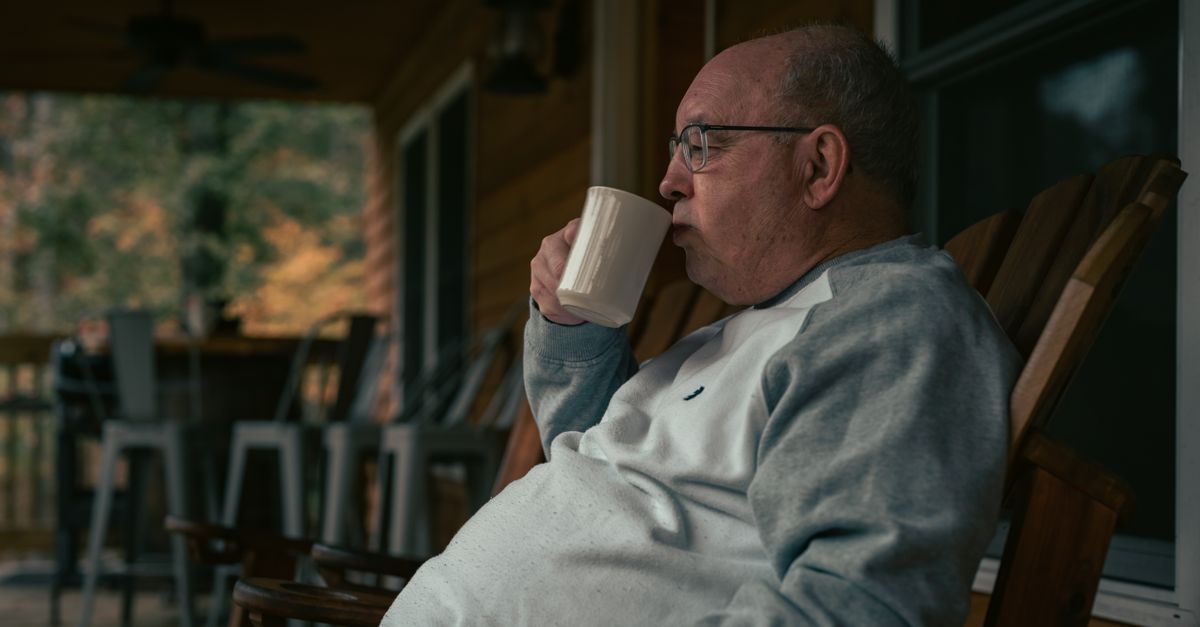
The joy I’ve found in simplicity isn’t flashy. It’s in the morning light hitting my coffee mug, the un-rushed conversation with my neighbor, the feeling of finishing a book because I actually had time to read it. It’s a quiet, steady hum of contentment instead of the screaming chaos of constant productivity.
If you’re tired of self-care that feels like another chore, maybe it’s time to try the opposite. Stop adding. Start subtracting. The secret to finding joy isn’t in doing more—it’s in doing less, and doing it with your whole heart.
Are you brave enough to slow down? Your soul is waiting. And honestly? It’s been trying to get your attention for a while now.