You know, I was standing outside the Christ Embassy Ho Loveworld Arena last Sunday, and I saw something that genuinely stopped me in my tracks. A family of five—mom, dad, and three kids under ten—piled out of a modest sedan. The kids were carrying Bibles that looked almost as big as them. But here’s the kicker: they weren’t from some distant suburb. They had just walked over from Barracks Newtown, a neighborhood that, let’s be honest, isn’t exactly known for its Sunday church parades.
I’ve been watching this trend for months now, and I can’t shake the feeling that something bigger is happening. More families from Barracks Newtown are making the trek to Christ Embassy Ho Loveworld Arena, and it’s not just because the air conditioning works (though, let’s face it, that’s a solid bonus in this heat). There’s a shift in priorities, a quiet revolution in how these families view education, community, and the future of their children.
So, what’s the real story here? Why are parents in Barracks Newtown choosing to trade their Sunday lie-ins for a 30-minute drive to the Arena? And more importantly, what does this say about the changing landscape of family life in our city?
The Hidden Curriculum Nobody Talks About
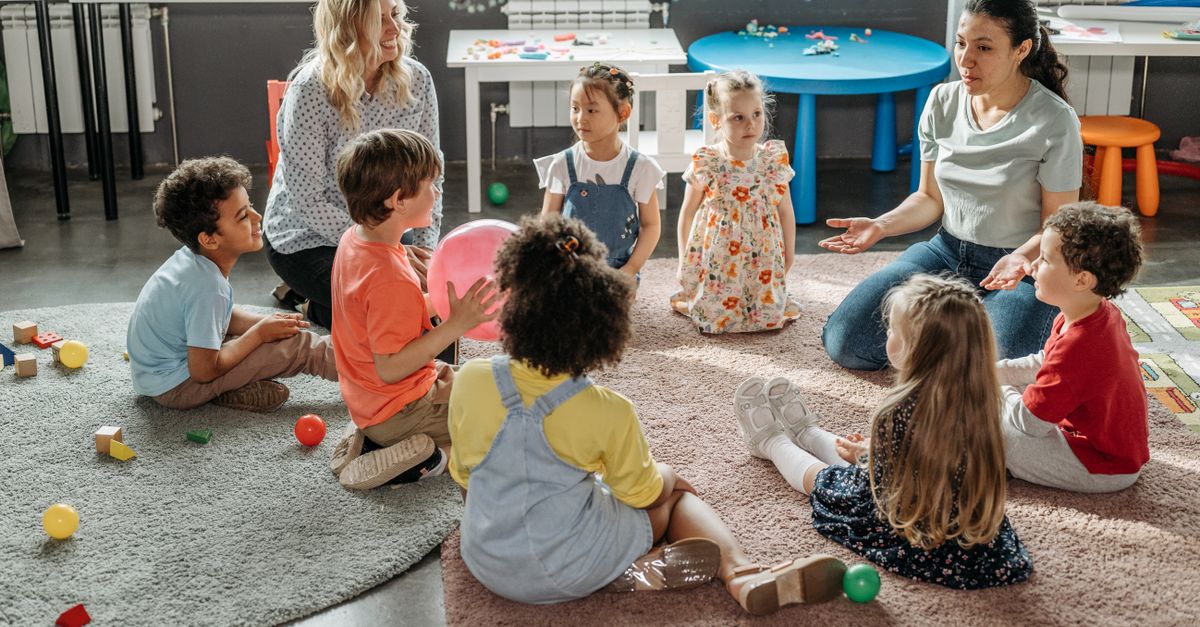
Let’s start with the obvious elephant in the room: education. Not the kind you get in a classroom, but the kind that happens when you’re sitting in a pew, listening to a message that challenges your worldview. I’ve spoken to at least a dozen parents from Barracks Newtown, and almost every single one of them mentioned the same thing: the children’s ministry at Christ Embassy Ho Loveworld Arena is different.
Here’s what most people miss. It’s not just about Bible stories and coloring pages. The program is designed to teach critical thinking, public speaking, and emotional intelligence. I’m not exaggerating. I sat in on a session two weeks ago, and I watched a seven-year-old explain the concept of forgiveness using a metaphor about sharing toys. That’s not just cute—that’s cognitive development on steroids.
Most families in Barracks Newtown are working-class. They don’t have the luxury of private tutors or expensive enrichment programs. But what they do have is a church that offers a structured, high-quality learning environment for their kids—for free. And let’s be honest, in a world where after-school care can cost more than rent, that’s a game-changer.
The Community That Raises the Child
There’s an old saying: “It takes a village to raise a child.” But in Barracks Newtown, that village was kind of falling apart. Neighbors didn’t know each other. Parents were isolated. Kids were glued to screens. The community fabric had frayed.
Then families started going to the Arena.
I’ve found that community worship creates a kind of social glue that’s hard to replicate anywhere else. Parents swap phone numbers. They organize playdates. They share tips on which local schools are actually worth sending their kids to. It’s not just about Sunday—it’s about building a support network that extends into Monday, Tuesday, and beyond.
One mother I spoke to, let’s call her Mrs. Okafor, told me something that stuck with me. She said, “I used to feel like I was raising my kids alone. Now I have ten other mothers who text me when my son is acting up at school. We hold each other accountable.”
That’s not just church. That’s social infrastructure. And it’s a huge part of why more families are making the move.
The Unspoken Economic Calculus
Let’s get real for a second. We don’t talk enough about how faith communities can function as economic safety nets. When a family in Barracks Newtown faces a financial crisis—a job loss, a medical emergency, a broken car—the church often steps in. Not with a handout, but with a network.
I’ve seen it happen. A dad lost his job, and within a week, three different families from the Arena had offered him freelance gigs. Another family’s child needed tutoring, and a retired teacher from the congregation volunteered her time. This isn’t charity—it’s mutual aid disguised as fellowship.
For families in Barracks Newtown, where economic stability can feel like a tightrope walk, this kind of support is priceless. It’s not just about spiritual growth; it’s about practical survival. And when you add that to the educational benefits, the calculus becomes obvious.
The “Third Place” That’s Actually Safe
Sociologists talk about “third places”—spaces that aren’t home (first place) or work/school (second place). These are places where community happens: coffee shops, parks, barbershops. But in many neighborhoods, these third places are disappearing or becoming unsafe.
Christ Embassy Ho Loveworld Arena has become a vital third place for families in Barracks Newtown. It’s a space where parents can let their kids run around without worrying about traffic. Where teenagers can hang out without being pressured into trouble. Where adults can have conversations that don’t revolve around bills and stress.

I’ve noticed that the Arena’s facilities are surprisingly modern—clean restrooms, a well-stocked library, even a small café. It’s not your grandfather’s church. It’s designed to be welcoming, functional, and safe. And in a city where safe public spaces are increasingly rare, that’s a huge draw.
The Multigenerational Appeal
Here’s something I didn’t expect: grandparents are loving this trend too. In Barracks Newtown, many families are multigenerational. Grandma lives with the kids. Grandpa is still working odd jobs. The church has become a place where three generations can find something meaningful.
There’s a senior fellowship that meets on Wednesdays. There’s a youth program that actually respects young people’s intelligence. And there’s the main service, which somehow manages to be both energetic and reverent. I’ve seen teenagers sitting next to their grandmothers, both of them genuinely engaged.
That’s rare. Most churches either cater to the elderly (boring for kids) or to the young (alienating for seniors). The Arena has found a sweet spot that makes everyone feel seen. And for families trying to bridge generational gaps, that’s a lifeline.
The Uncomfortable Question: Is It Just About Religion?
Let’s be honest for a moment. Some critics might say that this trend is just about religious fervor—that families are being brainwashed or manipulated. But I’ve spent enough time with these families to know that’s not the full story.
Yes, faith is a component. But it’s not the only one. These families are making a rational choice based on what they see as the best available option for their children’s education and development. They’re not blind followers; they’re strategic consumers of community resources.
I’ve talked to parents who are openly skeptical of certain religious doctrines but still attend because the practical benefits outweigh their theological reservations. That’s not blind faith—that’s pragmatic parenting.
And here’s the uncomfortable truth: if the public school system in Barracks Newtown were better funded, if after-school programs were accessible, if community centers were safe and well-maintained, these families might not need the church as much. But that’s not the world we live in. So they’re making the best of what they have.
What This Means for the Future
So where does this leave us? I think we’re witnessing a shift in how families in urban neighborhoods define education. It’s no longer just about what happens in a classroom between 8 AM and 3 PM. It’s about the entire ecosystem: the values, the community, the safety, the enrichment.
Families in Barracks Newtown are voting with their feet. They’re choosing an institution that offers holistic development for their children, even if it means a longer commute on Sunday mornings. And I suspect this trend will only grow as more parents realize that the Arena offers something they can’t get anywhere else: a supportive, educational, and safe community for their entire family.
The question that keeps me up at night is this: what happens when the rest of society wakes up to this need? Will public institutions adapt, or will churches continue to fill the gap?
I don’t have a clean answer. But I do know that the families I’ve met are not just attending a church. They’re building a future. And that’s something worth paying attention to.