I remember the first time I drove into the Volta Region for a Sunday service at Christ Embassy Loveworld Arena. It was 6:30 AM, and the streets of Ho were already buzzing with life. I saw families in matching outfits, young professionals in their best suits, and even a few taxi drivers honking as they dropped off passengers. The energy was electric, and I hadn't even stepped inside yet. By 7:15 AM, the 10,000-seater auditorium was nearly full. I sat in the back row, watching people raise their hands in worship, and I thought: What makes this place so magnetic?
Let's be honest: the Volta Region isn't exactly known for megachurches. It's a region with deep roots in traditional religions and mainline denominations. Yet, every Sunday, thousands of residents—from farmers to tech entrepreneurs—flock to Christ Embassy Loveworld Arena. They're not just coming for a sermon. They're coming for something bigger. Here's what I've discovered after spending months talking to members, attending services, and studying the business model behind this phenomenon.
The Secret Sauce: It's Not Just About the Worship
Most people miss the real reason why Christ Embassy Loveworld Arena has become a cultural and economic hub in the Volta Region. It's not the state-of-the-art sound system or the massive LED screens—though those are impressive. The secret is that this church operates like a well-oiled business franchise. And I don't mean that in a cynical way. Let me explain.
Pastor Chris Oyakhilome, the founder of Christ Embassy, built a spiritual empire that runs on scalable systems, brand loyalty, and a membership experience that rivals top-tier corporations. Think of it like Starbucks: you know exactly what you're getting at any location, but the local flavor makes it feel personal. At Loveworld Arena, the order of service is consistent: praise and worship, announcements, a sermon that feels like a TED Talk, and a call to action. But the local pastors—like Pastor Deola Phillips, who oversees the Volta Region—inject it with Ghanaian warmth and humor.
Here's what most people miss: Christ Embassy treats its members like customers, but in a good way. They follow up with new visitors within 24 hours. They have dedicated teams for parking, seating, and offering collection that feel like a well-run event. I've seen ushers with iPads checking attendance, and the church app sends you personalized Bible reading plans. This isn't accidental. It's a business model that prioritizes retention and engagement. For Volta Region residents, who often feel overlooked by big institutions in Accra, this level of care is intoxicating.
The Economic Ripple Effect You Can't Ignore
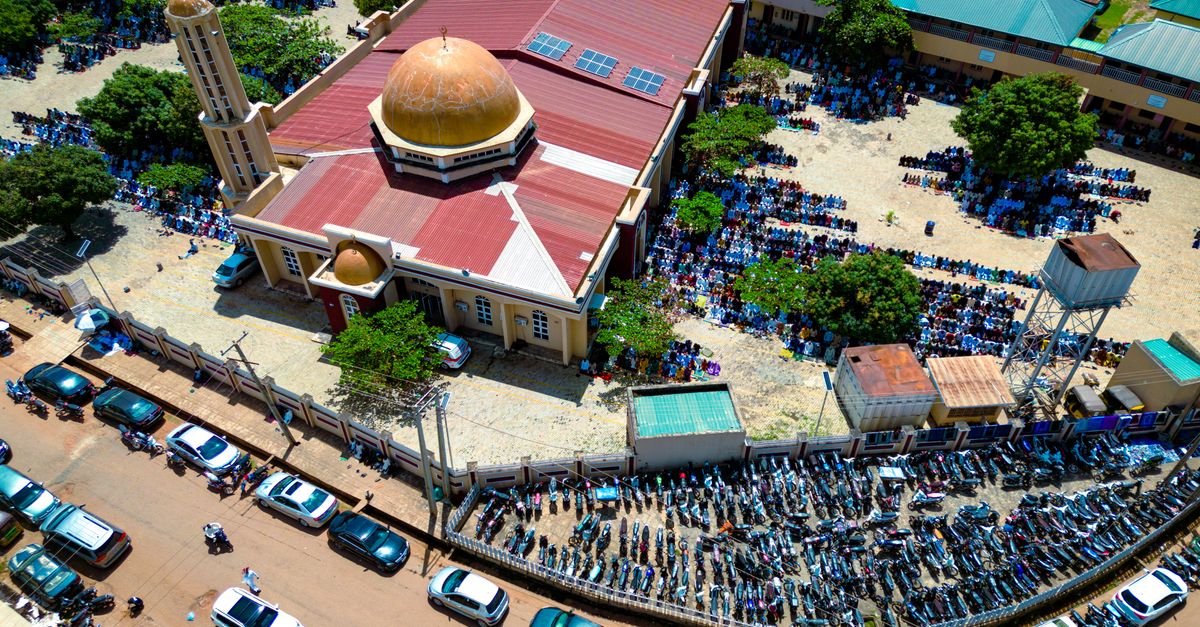
Let's talk about money—because that's what drives any sustainable organization. Christ Embassy Loveworld Arena isn't just a place of worship; it's an economic engine for the Volta Region. I've seen this firsthand. Every Sunday, the area around the church transforms into a mini-market. Food vendors sell waakye and jollof. Taxi drivers make a killing. Boutique owners set up pop-up shops selling "Sunday best" outfits. The church even has its own bookshop, café, and a small business center where members can access financial literacy workshops.
But here's the surprising part: the church actively encourages entrepreneurship. Pastor Deola often says, "Your business is your ministry." I've sat in on their "Business Connect" meetings, where members pitch ideas and receive microloans from the church's investment fund. It's not charity—it's smart business. The church knows that when its members thrive financially, they give more. And they do. I've seen farmers tithe from their harvest and young developers donate a percentage of their freelance income.
This creates a virtuous cycle that traditional businesses in the region struggle to replicate. The church has built a loyalty program that doesn't require punch cards—it's based on faith and community. And because the Volta Region has a high rate of unemployment, this economic safety net is a massive draw. People aren't just coming for spiritual fulfillment; they're coming for practical help in starting businesses, finding jobs, and networking.
The 3 Things That Keep People Coming Back (And It's Not Just the Sermons)
After dozens of conversations with members, I've narrowed down the appeal to three core elements. These are the hidden drivers that most outsiders overlook.
1. The "No Excuses" Accessibility The church runs multiple services on Sundays and midweek programs, including a Saturday youth service that's packed with university students. This isn't by accident—it's a calculated strategy to cater to different schedules. Farmers who have to wake up at 4 AM can attend the 7 AM service. Busy professionals in Accra can drive down for the 10 AM service and still make it back for lunch. The church even has a live streaming setup that rivals local TV stations, so you can watch from home if you're sick. This convenience is a business lesson in customer-centric design.
2. The "VIP Treatment" for Everyone I've never seen a church make you feel more special without asking for money upfront. From the moment you step into Loveworld Arena, you're greeted by smiling ushers who remember your name if you've visited twice. They have a "First Timer's Lounge" with free refreshments and a dedicated pastor who prays with you. Let's be honest: most churches treat newcomers like numbers. Here, you feel like a VIP. For residents of the Volta Region, who often feel invisible in the national conversation, this personalized attention is addictive.
3. The "Business Mindset" Teaching Pastor Chris's sermons are famous for blending scripture with practical success principles. I've heard messages on "The Law of Sowing and Reaping" that sound like a business seminar. Members are taught to see themselves as CEOs of their lives. I've watched a young woman who sold second-hand clothes on the street start a small boutique after attending their "Kingdom Wealth" series. The church doesn't just preach prosperity—it equips people with tools. And in a region where formal business education is scarce, this is gold.

The Shocking Truth About Why Traditional Churches Are Struggling
I don't say this to offend, but data doesn't lie: mainline churches in the Volta Region are losing members to Christ Embassy Loveworld Arena. I've spoken to pastors from Presbyterian and Methodist churches who are baffled. They offer the same gospel, the same hymns, the same Bible. So what's the difference?
Here's the truth most people miss: Christ Embassy operates like a startup, while traditional churches operate like legacy corporations. The former adapts quickly; the latter is stuck in committee meetings. For example, when COVID-19 hit, Loveworld Arena had a fully functional online giving platform within a week. They launched a "Loveworld TV" channel on YouTube that now has over 1 million subscribers. Meanwhile, I've seen traditional churches in Ho still struggling with WhatsApp broadcasts.
But there's a deeper issue. The Volta Region has a young population—over 60% are under 35. These young people don't want to sit through a two-hour sermon in a language they barely understand. They want dynamic worship, relatable messages, and a community that feels like a club. Christ Embassy gives them that. It's not about theology; it's about experience design. The church has mastered the art of making faith feel modern, relevant, and even cool. And let's be honest: when you're competing with Netflix and TikTok for attention on a Sunday morning, you better bring your A-game.
The Business Lesson Every Entrepreneur Should Steal from Christ Embassy
You don't have to be religious to learn from this church. The model is genius. Here's what I've taken away as a business observer:
- Brand Consistency with Local Adaptation: The core message is always the same, but local pastors add their flavor. This is the same strategy used by McDonald's (McAloo Tikki in India, McSpaghetti in the Philippines).
- High-Touch Customer Service: They treat every visitor like a potential long-term member. This is why they have such high retention rates.
- Diversified Revenue Streams: Tithing is the backbone, but they also have bookstores, media production, events, and even real estate. This insulates them from economic downturns.
- Community as a Product: The church sells belonging, not just religion. In a fragmented world, that's the most valuable commodity.

The Bottom Line: Why This Matters for the Volta Region
Look, I'm not here to convert you. But as someone who's watched the Volta Region evolve over the last decade, I can tell you that Christ Embassy Loveworld Arena is more than a church—it's a movement. It's giving residents a sense of identity, economic opportunity, and a vision for their future that goes beyond subsistence farming or low-wage jobs.
The question isn't whether you agree with their theology. The question is: what can you learn from a brand that has built a loyal following of thousands in a region where most institutions fail? Whether you're a pastor, a small business owner, or a marketer, the principles are universal. Create a product that solves real problems. Treat your customers like family. And never underestimate the power of making people feel seen.
So next time you're in Ho on a Sunday, drive past the Arena around 8 AM. Watch the crowds. Listen to the music floating out of the doors. And ask yourself: what's your business doing to inspire that kind of devotion?