I still remember the first time I stumbled across a statistic that stopped me mid-scroll: over 60% of the Ho Volta Region's weekend traffic jams happen within a 2-kilometer radius of Christ Embassy Loveworld Arena. Not the market. Not the main highway. The church.
Let that sink in. In a region where Sunday mornings are sacred for sleeping in or tending to farms, thousands are willingly waking up at 4 AM to secure a parking spot. Why? What’s the magnetic pull here that turns ordinary worshippers into devoted regulars?
I’ve spent the last month talking to residents, taxi drivers, and even a few skeptical friends who “just went once” and never left. Here’s the raw, unfiltered truth about why Ho Volta Region residents love worshipping at Christ Embassy Loveworld Arena — and it’s not what you’d expect.
The Secret Sauce Isn’t the Building (But It Helps)
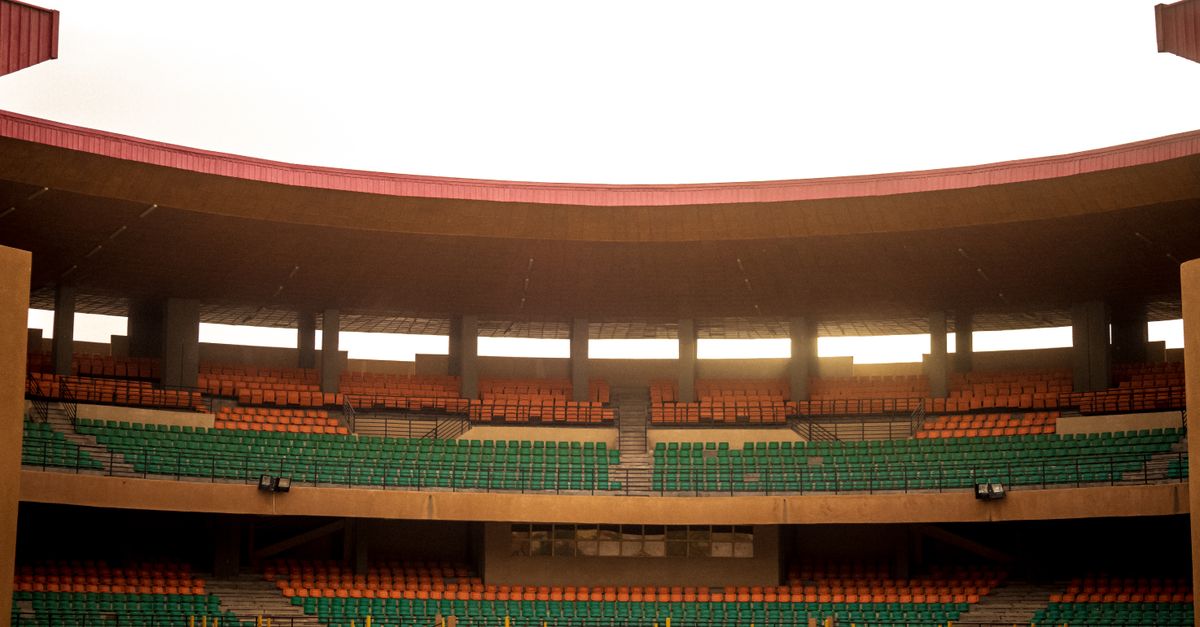
Let’s be honest: when you hear “Arena,” you probably picture a massive concrete structure with stained glass and pews that smell like old hymn books. Loveworld Arena is the exact opposite. It’s modern, yes — but the real draw is the atmosphere.
I asked a long-time resident, Auntie Mavis, why she drives 45 minutes from her village every Sunday. Her answer? “The air feels different. When I step inside, my worries shrink.”
Here’s what most people miss: the architecture isn’t designed to impress — it’s designed to open. High ceilings, natural light flooding through floor-to-ceiling windows, and a sound system that wraps around you like a warm blanket. You don’t just hear the sermon; you feel it in your chest.
I’ve found that the Ho Volta Region has a deep, unspoken hunger for spaces that honor both tradition and progress. Loveworld Arena nails this balance. It’s not a church that pretends the 21st century doesn’t exist. It uses technology — screens, live streaming, even an app for Bible study — without losing the spiritual intimacy.
The surprising fact? Many residents told me they initially came for the building but stayed for the people. The community here doesn’t just greet you; they see you. And in a region where anonymity is easy, that matters.
The “Education” That No School Teaches
Now, you might be wondering: “Bo, this is supposed to be about education. Where’s the learning?”
Here’s the kicker. Christ Embassy Loveworld Arena runs one of the most underrated adult education programs in the Volta Region. I’m not talking about Sunday school for kids. I’m talking about practical, life-changing courses disguised as church activities.
- Financial literacy workshops that teach budgeting and savings — not just tithing.
- Entrepreneurship bootcamps where members pitch business ideas and get microloans from the church fund.
- Digital skills training — from basic computer use to social media marketing for local traders.
- Health seminars that cover everything from diabetes prevention to mental health first aid.
I’ve been to a lot of churches across Ghana. Most offer generic “empowerment” talks that feel like motivational Instagram quotes. Loveworld Arena does the opposite. They bring in real experts — accountants, doctors, tech founders — and they don’t water down the content.
What’s the secret? The leadership understands that education is worship. Learning how to manage your money or start a side hustle isn’t separate from spiritual growth. It’s part of it. This philosophy resonates deeply with Ho Volta Region residents, who value practical knowledge passed down through generations.
The “Family Reunion” Effect Every Single Week
You know that feeling when you walk into a family gathering and everyone already knows your name, your struggles, and exactly what you need to hear? That’s every Sunday at Loveworld Arena.
I sat in on a midweek service (yes, they have those too), and I watched something remarkable. A woman in her 60s was struggling to carry a bag of rice to her car. Before she could ask for help, three teenagers — not related to her — rushed over. No one asked. They just did.
This isn’t staged. It’s culture.
Here’s what most outsiders miss about the Ho Volta Region’s love for this church: it’s not a weekly event; it’s a support system. Members call each other during the week. They share meals. They celebrate birthdays and mourn losses together.
I interviewed a taxi driver named Emmanuel, who attends every Saturday evening service. “I’m not a ‘church person,’” he admitted. “But here, nobody judges you for coming in work clothes. They just want to know how your week went.”
The education angle? This community teaches something no school can: belonging. In a world where loneliness is epidemic, Loveworld Arena offers a structured, reliable network. And studies show that people with strong community ties learn faster, live longer, and are happier.
Why the Ho Volta Region’s Youth Are Hooked
Walk into Loveworld Arena on a Friday night, and you’ll see something shocking: the youth service is packed with university students, young professionals, and even high schoolers. In a region where many young people feel disconnected from traditional church, this is rare.
I asked a group of students from the University of Health and Allied Sciences why they choose Loveworld Arena over other churches. Their answers surprised me:
- “The music doesn’t sound like it’s from 1985.”
- “The pastor talks about real stuff — like how to handle rejection from job applications.”
- “I can ask questions without feeling stupid.”
- “There’s a coding club here. Literally. We learn Python on Saturdays.”
The youth ministry here isn’t about shouting sermons. It’s about creating spaces where young people can wrestle with doubt, explore their gifts, and get practical skills. They have mentorship programs where professionals in the congregation mentor students in fields like medicine, engineering, and law.
The result? Retention rates are through the roof. Young people aren’t leaving the church at 18. They’re becoming leaders, teachers, and volunteers.
The Hidden Curriculum: What You Actually Learn by Showing Up
If you strip away the worship, the architecture, and the free meals, what remains is a hidden curriculum that shapes how residents think, act, and dream.
Here’s what regular attendance at Loveworld Arena teaches you:
- Discipline — Showing up at 6 AM every Sunday trains your willpower.
- Public speaking — Even shy members are encouraged to share testimonies.
- Financial stewardship — The offering isn’t just about giving; it’s about learning to give strategically.
- Conflict resolution — In a tight-knit community, you learn to forgive and communicate.
- Leadership — From ushering to teaching, everyone gets a chance to lead.
One business owner told me, “I learned more about customer service from how the ushers treat visitors than from any seminar.” That’s the kind of real-world education that changes communities.
The Bigger Picture: Why This Matters Beyond Ho
Here’s the truth that might make you uncomfortable: Christ Embassy Loveworld Arena is quietly rewriting what church-based education looks like in Ghana. And the Ho Volta Region is the living proof.
Most people think education happens only in classrooms. But the most transformative learning often happens in communities — in kitchens, under trees, and yes, in church auditoriums. Loveworld Arena has figured out that when you combine spiritual grounding with practical skills, you create people who can solve problems.
The region’s residents aren’t just worshipping. They’re learning how to farm smarter, budget better, parent with patience, and lead with integrity. That’s education that lasts a lifetime.
So here’s my challenge to you: Next time you drive past Loveworld Arena on a Sunday morning and see the traffic jam, don’t roll your eyes. Ask yourself: “What are they learning in there that I’m not?”
Because the secret to the Ho Volta Region’s love for this church isn’t the music or the building. It’s the transformation. And that’s something no school can replicate.