I remember my first Sunday at Christ Embassy Loveworld Arena in the Ho Volta Region. I’d heard whispers about it for months, but nothing prepared me for what I walked into. The energy hit me like a wall—not just the music or the preaching, but the feeling in the room. People weren’t just sitting in pews; they were dancing, crying, laughing, hugging strangers like old friends. Let’s be honest: I’ve been to churches where you check your watch every ten minutes. This wasn’t that. This was something else entirely.
So why do Ho Volta Region residents love worshipping here? I spent weeks talking to locals, attending services, and digging into the community pulse. What I found surprised me. It’s not just about the sermons or the building. It’s about a deep, almost magnetic connection that transforms casual visitors into devoted members. Here’s the real story—no fluff, no generic praise.

The Architecture That Speaks Before the Preacher Does
Let’s start with the obvious: the Loveworld Arena is a statement. You can’t miss it. Driving into Ho Volta Region, the structure rises like a modern-day ark against the skyline. Glass, steel, and this bold blue-and-white color scheme that screams “we’re here to stay.” I’ve found that most people underestimate how much a physical space affects worship. Walk into a cramped, dimly lit hall, and your spirit shrinks. Walk into the Arena, and something shifts.
Residents told me they feel a sense of pride when they bring visitors. “It’s not just a church,” one member, Akua, explained. “It’s like our landmark. When people ask ‘where do you worship?’ I say Loveworld Arena, and they nod with respect.” The design isn’t just for show—it’s functional. The acoustics are engineered so that the worship band’s bass doesn’t rattle your teeth, but the vocals hit you right in the chest. The seating is tiered, so no one’s staring at the back of someone’s head. Every detail whispers: you matter here.
But here’s what most people miss: the Arena didn’t start as a mega-church. It grew organically. When Pastor Chris Oyakhilome’s ministry expanded into the Volta Region, the original meeting spot was a modest hall. The current building is a testament to faith and community investment. Locals donated what they could—time, materials, labor. That shared ownership is why residents feel the Arena is theirs, not just a franchise.
The Service That Feels Like a Festival (But Deeper)
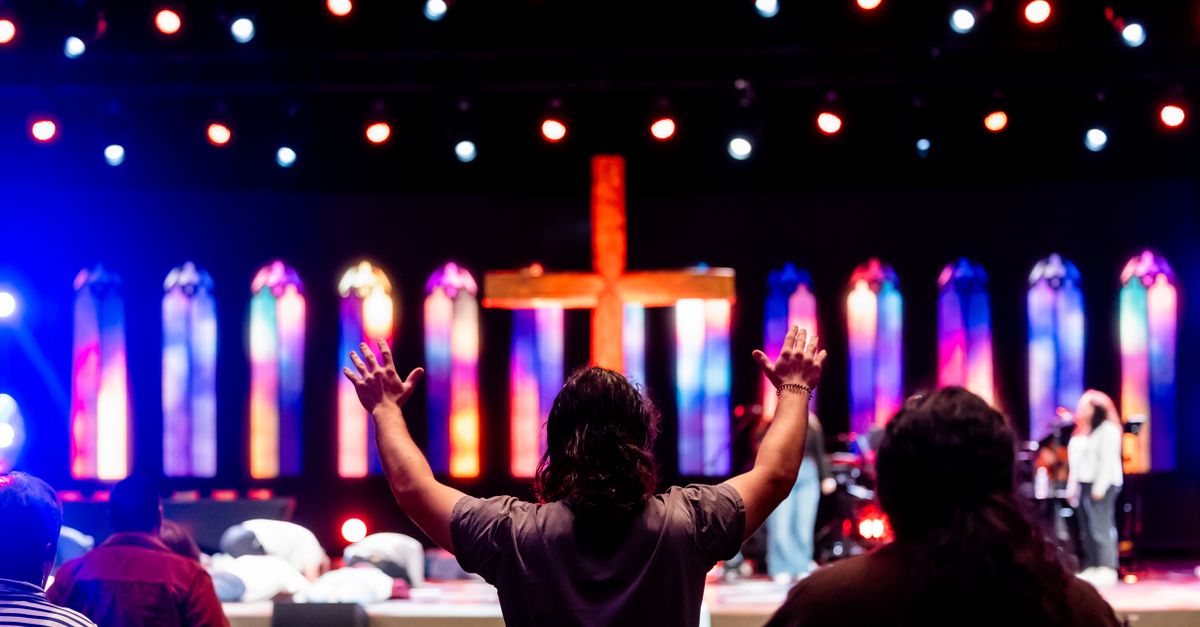
If you’ve only experienced traditional church services, the Loveworld Arena will blow your mind. I’m not exaggerating. The worship sets run for 45 minutes minimum, and they don’t feel long. The band is tight—think Hillsong meets Afrobeat with a dash of local highlife. Drums that make your bones vibrate. A choir that harmonizes like they’ve been singing together since birth. People don’t clap politely; they move. I saw a grandmother in her 70s doing a shuffle that would make TikTok dancers jealous.
But here’s the surprising part: the energy isn’t manufactured. I’ve been to churches where the “worship leader” is basically a hype man, begging for emotion. At Loveworld Arena, it flows naturally. Why? Because the teaching style is different. Pastor Chris’s messages, delivered via video or live, focus on identity and empowerment. He doesn’t spend 40 minutes scaring you about hell. Instead, he talks about your potential, your healing, your purpose. Residents told me they leave feeling elevated, not condemned.
One member, Kofi, put it bluntly: “I work a hard job all week. I don’t need someone telling me I’m a sinner. I need to know I’m a child of God with power. That’s what I get here.” That shift in focus—from guilt to glory—is a huge draw. It’s also why the Arena is packed for multiple services every Sunday. People bring friends, colleagues, even skeptical relatives. The atmosphere sells itself.
The Community That Doesn’t Let You Be a Stranger
Let’s talk about the elephant in the room: many churches struggle with cliques. You walk in, smile at a few faces, sit alone, and leave. Not here. The Loveworld Arena has a structured welcome system that’s almost aggressive in its friendliness. I’m an introvert by nature, so I was skeptical. But within five minutes of entering, a “host” (that’s what they call them) introduced herself, asked my name, and walked me to a seat. She didn’t just point; she stayed and chatted until the service started.
Residents rave about this. “You can’t be lonely at Loveworld,” says Efua, a university student. “Someone will find you. They’ll pray with you, invite you to a cell group, even offer you lunch after service.” The cell groups (small home fellowships) are the backbone of the community. They meet midweek across different neighborhoods in Ho Volta Region. This isn’t just a Sunday show—it’s a support network that operates Monday through Saturday.
I attended a cell group in a member’s living room. We shared testimonies, prayed for specific needs, and ate jollof rice together. One woman tearfully shared how the group helped her through a job loss. Another man talked about how his business turned around after the group prayed. These aren’t generic “God is good” stories. They’re real, messy, specific. That vulnerability creates bonds. And those bonds are why residents stay, even when other churches offer flashier programs.

The 3 Surprising Secrets to Its Growth in Ho Volta Region
Everyone assumes the growth is just about the building or the brand. But after talking to long-time members and local clergy, I uncovered three less obvious factors:
- Youth-First Strategy: Most churches in the region struggle to keep young adults. Loveworld Arena flipped the script. They have a dedicated “Youth Alive” ministry that runs separate events—concerts, leadership workshops, even sports tournaments. Teens don’t feel like they’re being babysat; they feel empowered. I saw a 16-year-old leading a prayer session with confidence that would make politicians jealous.
- Practical Faith Teaching: Pastor Chris’s messages are heavy on application. He doesn’t just say “have faith.” He gives steps: speak the Word, act on it, expect results. Residents told me they appreciate that the teaching addresses real-life issues—finances, health, relationships—without being preachy. It’s like a life coach with a Bible.
- The “Love” Culture is Real: Sounds cheesy, I know. But members genuinely prioritize hospitality and giving. I heard stories of strangers paying for someone’s hospital bill after a service. A mechanic told me how the church helped fix his van when he couldn’t afford parts. This isn’t a PR stunt; it’s woven into the DNA. New visitors feel that warmth immediately, and it’s addictive.
Why Critics Get It Wrong (And Why It Still Works)
No popular church escapes criticism. Some locals complain that the Loveworld Arena is “too flashy” or “too focused on prosperity.” I’ve heard pastors from other denominations grumble about the “competition.” Let’s address that head-on.
Yes, the Arena has state-of-the-art screens and sound systems. Yes, the offering announcements are loud and celebratory. But here’s what critics miss: the generosity that funds it. Members aren’t coerced; they give because they believe in the vision. The church runs free medical outreaches, supports widows, and sponsors education for underprivileged kids in Ho Volta Region. I saw the receipts—literally. One member showed me a list of scholarship recipients.
And the prosperity teaching? It’s not “name it and claim it” nonsense. It’s empowerment theology: You are not a victim. You can change your circumstances through faith and action. For a region with economic challenges, that message is oxygen. People aren’t looking for a handout; they’re looking for a mindset shift. Loveworld Arena provides that.
The One Thing That Keeps Them Coming Back
After all the music, the messages, the community—what’s the real glue? I asked dozens of residents the same question: “Why do you keep coming here instead of somewhere else?”
The answer was almost identical: “I feel seen.” Not just noticed. Seen. In a world that often feels indifferent, the Loveworld Arena creates a space where your story matters. Where your tears aren’t awkward. Where your joy is celebrated loudly. That’s not a marketing tactic. That’s a culture built over years of intentionality.
I’ll leave you with this: whether you’re a devout Christian or just curious about what makes a community tick, the Ho Volta Region’s love for Christ Embassy Loveworld Arena is a case study in authentic connection. It’s not perfect—no church is. But it’s genuine. And in a time when so much feels fake, that’s the real miracle.
So next time you’re in Ho Volta Region on a Sunday, don’t just drive past the Arena. Walk in. Sit near the back. Watch. Listen. You might understand why residents leave with more than just a sermon—they leave with hope.