My niece Maya texted me last month with a confession that would've stunned me five years ago: "Auntie P, I went to church on Sunday. On purpose. And I liked it."
This is the same Maya who once declared organized religion "a vibe killer" at a family dinner. The same Maya who has a tarot deck, three meditation apps, and strong opinions about crystals. So when she told me she's been attending a small Anglican parish near her campus in Toronto—voluntarily, sober, and without a single ironic TikTok planned—I had questions.
Turns out, Maya isn't an anomaly. She's part of a pattern that's making sociologists do double-takes and youth pastors cry happy tears into their matcha. Gen Z is returning to church—and the reasons are way more layered than you'd think.
The Stats That Made Me Spit Out My Coffee
Let's be honest—the narrative for the past decade has been that young people are abandoning faith in droves. And the big surveys back that up. But here's what most people miss: the aggregate numbers hide a fascinating countercurrent.
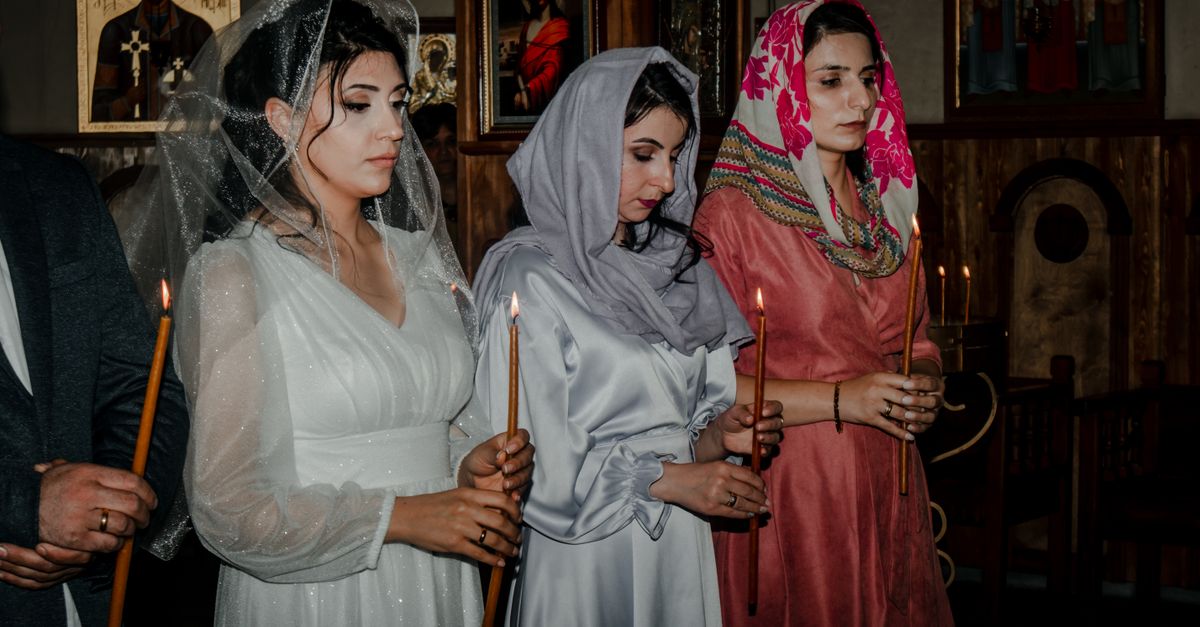
Recent data from groups like the Barna Group and various denominational reports show that a meaningful slice of Gen Z—particularly those in their late teens and early twenties—are actively seeking out faith communities. Not mega-churches with fog machines and celebrity pastors, mind you. Small, liturgical, ancient-feeling spaces. The kind with incense and silence and actual hymnals.
I've found that whenever a cultural trend surprises everyone, it's usually because the "experts" were asking the wrong questions. We kept asking "Why are young people leaving church?" when we should've been asking "What would make them come back?"
The answer, as it turns out, is pretty profound.
Gen Z's Faith Revival Isn't About Religion—It's About Belonging
Here's the thing. My generation (I'm an elder millennial, so I'm basically a Gen Z translator at this point) grew up with social media designed to make us feel connected while leaving us lonelier than ever. Gen Z got an even more intense version of that experiment.
They're the most digitally connected generation in history—and the loneliest. The U.S. Surgeon General has literally called loneliness an epidemic. Young adults report feeling isolated, anxious, and starved for genuine community.
Enter the church. Not as a place of judgment or rigid rules, but as one of the last remaining spaces where people show up in person, week after week, and actually know each other. Where someone notices when you're missing. Where a 70-year-old woman might bring you soup when you're sick.
I've found that when you strip away the cultural baggage and political noise, the local church offers something Instagram literally cannot: embodied, intergenerational, inconvenient community. And Gen Z, raised on the exhausting performance of online life, is craving exactly that.

Ancient Rituals for Anxious Souls
When Maya described her church, she didn't mention the sermon once. What she talked about was the liturgy—the rhythm of standing, sitting, responding, singing. The predictability of it.
"I don't have to figure out what to say or how to feel," she told me. "The words are already there. I just show up and let them carry me."
That stopped me in my tracks. Because that's the secret sauce nobody's talking about. Gen Z is growing up in a world of relentless choice—infinite streaming options, infinite career paths, infinite ways to present yourself online. Decision fatigue is real, and it's brutal.
Traditional worship—whether it's high-church liturgy, communal prayer, or the ancient rhythms of the church calendar—offers something radical: a break from choosing. You don't have to be original or clever or on-brand. The prayers have been prayed for centuries. The songs have been sung by billions. You're just one small voice in a great cloud of witnesses.
That's not a vibe killer. That's a lifeline.
The Three Things Young Believers Actually Want
I've talked to a lot of Gen Z folks about faith in the past year—at coffee shops, on campus, in the comments of my blog. Three themes keep surfacing, and honestly, they're a blueprint for any faith community that wants to survive the next decade:
- Authenticity over production. They don't want a slick show. They want leaders who admit doubt, ask hard questions, and don't pretend to have everything figured out. A pastor who says "I don't know" earns more respect than one with a perfect answer.
- Depth over hype. Bible studies that actually dig into the text. Conversations about suffering, justice, and mystery. Gen Z has a finely tuned radar for fluff—and an equally strong hunger for substance.
- Service over selfies. They want to do things that matter. Feed people. House refugees. Advocate for the vulnerable. A faith that doesn't roll up its sleeves isn't a faith worth their Sunday morning.
Why This Should Give All of Us Hope
I'm not going to pretend every young person is suddenly going to show up in a pew this Sunday. That's not the story here. The story is that the hunger for meaning, for community, for something sacred hasn't died—it's just looking for new places to land.
And maybe that's the most hopeful faith trend I've seen in years. Because it reminds us that the human heart is stubbornly, beautifully religious. We're wired for ritual, for belonging, for transcendence. Strip away the noise and the cynicism, and people will always find their way back to the thing their souls are hungry for.
So here's my challenge to you this week: if you've been curious about faith—or curious about why your own kids or grandkids are suddenly asking about church—don't dismiss it. Ask them what they're looking for. You might be surprised by the answer.
And if you're a faith community wondering how to reach the next generation? Stop asking what you need to do differently and start asking who you need to become. The door is open. Gen Z might just walk through it.
What's your take—are you seeing this shift in your own circles? I'd love to hear from you in the comments.