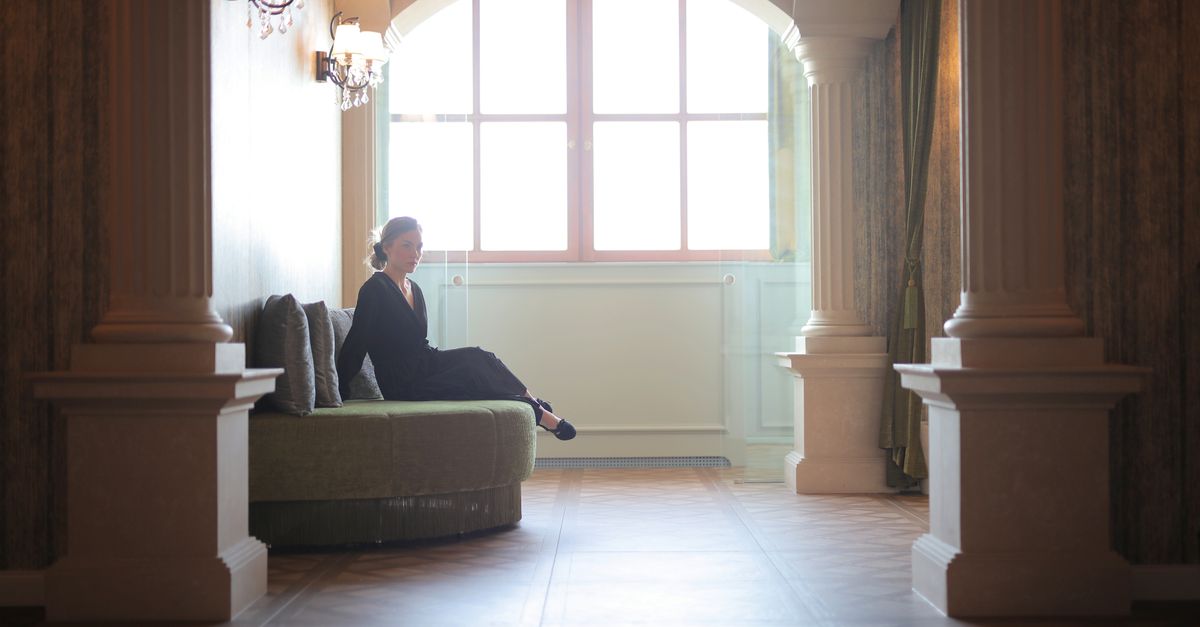
I remember the exact moment I realized the game had changed. I was at a coffee shop in Brooklyn, watching two twenty-somethings dissect a friend’s outfit with surgical precision. One said, “That bag is too loud. It’s giving… 2019.” The other nodded. “Yeah, she’s trying too hard.” And in that split second, I understood: quiet luxury isn’t a trend anymore—it’s a generational identity.
We’ve all seen the glossy headlines about Old Money aesthetics and the rise of stealth wealth. But here’s what most people miss: Gen Z isn’t just borrowing this style. They’re rewriting its DNA. What started as a reaction to logomania has morphed into something far more complex—a cultural statement about status, sustainability, and the very nature of success in a hyper-online world.
Let’s dig into why this generation is redefining quiet luxury, and what it really says about modern culture.
The Death of the Flex (And Why Gen Z Buried It)
For my generation, the “flex” is dead. Not because we don’t care about status—but because we’ve redefined what status looks like. In the 2010s, luxury meant screaming: oversized Gucci logos, Supreme box logos, designer monograms plastered everywhere like a billboard. It was about being seen, recognized, and envied.
Gen Z flipped the script. We grew up in the Instagram era, where everyone curated a highlight reel. We saw the burnouts, the backlash, the “cancel culture” moments when someone’s flashy wealth got called out. So we learned a different lesson: true status is invisible to the untrained eye.
Now, luxury is about knowing. It’s about a cashmere sweater with no logo that costs $1,200—but only people in the know recognize the hand-stitching and the mill. It’s about a vintage Rolex that tells a story, not a new Richard Mille that screams “I have money but no taste.” I’ve found that Gen Zers are obsessed with details: the weight of a zipper, the feel of a fabric, the provenance of a leather. It’s a secret handshake for the discerning.

Sustainability Isn’t a Tagline—It’s the Price of Admission
Here’s where it gets uncomfortable for the fashion industry. Gen Z sees quiet luxury as the only ethical choice. Not because we’re all saints—but because we’ve done the math. Fast fashion is a disaster. Logomania is built on planned obsolescence and environmental degradation. We know that a $50 T-shirt made in a sweatshop costs the planet more than a $300 one made from organic cotton by a fair-wage artisan.
But here’s the twist: we’re not just buying “sustainable” because it’s trendy. We’re buying fewer things that last longer. Quiet luxury fits this perfectly. It’s timeless, not trend-driven. It’s investment pieces you wear for a decade, not a season. I own a single pair of leather boots that cost me $800 three years ago. I’ve resoled them twice. They look better now than when I bought them. My friends? They’ve gone through five pairs of trendy sneakers in the same time.
This isn’t about being rich—it’s about being strategic. Quiet luxury allows Gen Z to opt out of the consumption treadmill. We’re not saying “look at my wealth.” We’re saying “look at my values.” And if a brand can’t prove its sustainability credentials? We ghost it.
The Anti-Influencer Aesthetic
Let’s be real: we’re exhausted by influencers. The sponsored posts, the unboxings, the “link in bio” culture. Quiet luxury is the ultimate rebellion against influencer culture. It’s a style that doesn’t perform for the camera. It exists for the wearer, not the audience.
I’ve noticed something fascinating: Gen Z’s quiet luxury isn’t about being Instagrammable. It’s about being unphotographable. The best pieces—a perfectly worn-in leather jacket, a handwoven scarf, a watch with a patina—don’t translate on a screen. You have to see them in person, feel them, experience them. This is a direct challenge to the algorithm-driven world we grew up in.
We’re saying: “You can’t commodify my taste. You can’t make it into a hashtag.” It’s a quiet middle finger to consumerism’s loudest megaphone. And honestly? It’s working. The most viral fashion moments of the past year? They’re not flashy—they’re subtle. A perfectly draped coat. A pair of unmarked leather gloves. The absence of branding has become the brand.

The 3 Pillars of Gen Z’s Quiet Luxury (That Brands Keep Getting Wrong)
If you’re a brand trying to cash in on this, listen up. Most companies fail because they think quiet luxury is just “make it beige and remove the logo.” Wrong.
Here’s what actually matters to Gen Z:
- Provenance over Prestige – We want to know who made it, where the materials came from, and why it costs what it does. A story beats a logo every time.
- Imperfection as Identity – Quiet luxury doesn’t mean pristine. It means character. A scratch on a watch, a faded edge on a bag—these are badges of honor, not flaws.
- Functionality as Status – The most luxurious item is the one you actually use. A perfectly broken-in leather tote that carries your laptop, your gym clothes, and your groceries? That’s the real flex.
What This Says About Modern Culture
Here’s the deeper truth: quiet luxury is a symptom of a culture in crisis. We’re living in an era of climate anxiety, economic instability, and social fragmentation. The loud, flashy consumerism of the 2000s feels like a relic from a naive past. We don’t have the luxury of pretending everything is fine.
Choosing quiet luxury is a way of saying no to the loud, chaotic world we inherited. It’s an act of curation in a sea of noise. It’s about reclaiming control—over our choices, our identities, our consumption.
But here’s the irony: by rejecting the old status symbols, we’re creating new ones. A hand-stitched jacket is still a status symbol. It’s just a different kind of status—one based on knowledge, taste, and values rather than raw wealth.
Is that better? Maybe. Or maybe we’ve just created a more sophisticated hierarchy. One where the most important thing isn’t what you own, but how you own it.
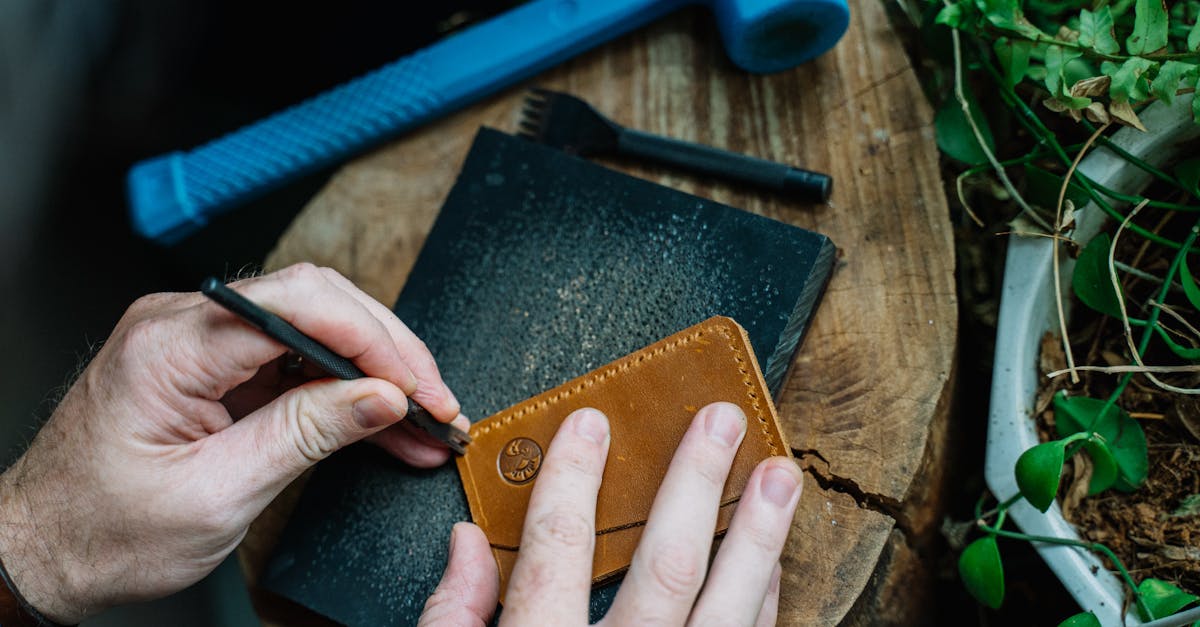
The Final Stitch
I’m not saying quiet luxury is a revolution. It’s not. It’s still luxury, still exclusive, still tied to money. But it’s a redefinition—one that reflects a generation trying to find its footing in a world that feels increasingly unstable.
We’re not buying quiet luxury because we’re rich. We’re buying it because we’re tired. Tired of the noise, tired of the performance, tired of being sold things we don’t need. Quiet luxury is a way of saying: “I choose substance over spectacle.”
So the next time you see a Gen Zer in a perfectly plain cashmere sweater, don’t assume they’re boring. Look closer. That sweater might tell you more about modern culture than any billboard ever could.
And maybe—just maybe—it’s time we all started listening a little more quietly.