
My grandmother used to say her faith was a house. Four walls, a solid roof, and a door you walked through on Sunday mornings. You didn't redecorate. You didn't knock down walls. You certainly didn't paint it purple.
I thought about that a lot last week, sitting in a Brooklyn café across from Maya, a 22-year-old who considers herself deeply spiritual. She told me she "attends" church via a Discord server, prays using an app that reminds her to breathe, and finds more meaning in a climate march than in a sermon. She's not lost. She's not rebelling. She's just... building a different house. And honestly? It looks nothing like my grandmother's.
Here's the thing most people miss about Gen Z and faith: We aren't witnessing an abandonment of belief. We're witnessing a demolition derby of the institutions that used to hold it.
The "Nones" Aren't Who You Think They Are
Let's get the scary stat out of the way. The Pew Research Center has been shouting this from the rooftops for years—roughly a third of Gen Z identifies as religiously unaffiliated. The "Nones." The panic button that every traditional religious leader has been mashing since 2018.
But here's the plot twist that the doom-scrollers ignore: "Unaffiliated" does not mean "unbelieving."
I've found that when you actually sit down with a Gen Zer and ask them about their spiritual life, they don't say "I hate God." They say "I hate the hypocrisy." They say "I hate the gatekeeping." They say "I hate the politics."
We've confused the container with the content. Maya doesn't reject Jesus because she studied theology; she rejects the church because she's seen it weaponize theology against her LGBTQ+ friends. She doesn't reject meditation because she thinks it's silly; she rejects the gym membership pricing of a "wellness" industry that sells enlightenment for $30 a class.
Gen Z is hyper-immune to inauthenticity. They grew up with the internet. They can smell a fake persona from a mile away. If your faith looks like a highlight reel on Instagram but acts like a troll in the comments section, they want nothing to do with it.
The Rise of the "DIY" Spirituality
So, if the building is condemned, where are they living? They're building tiny homes. Modular, flexible, and entirely customized.
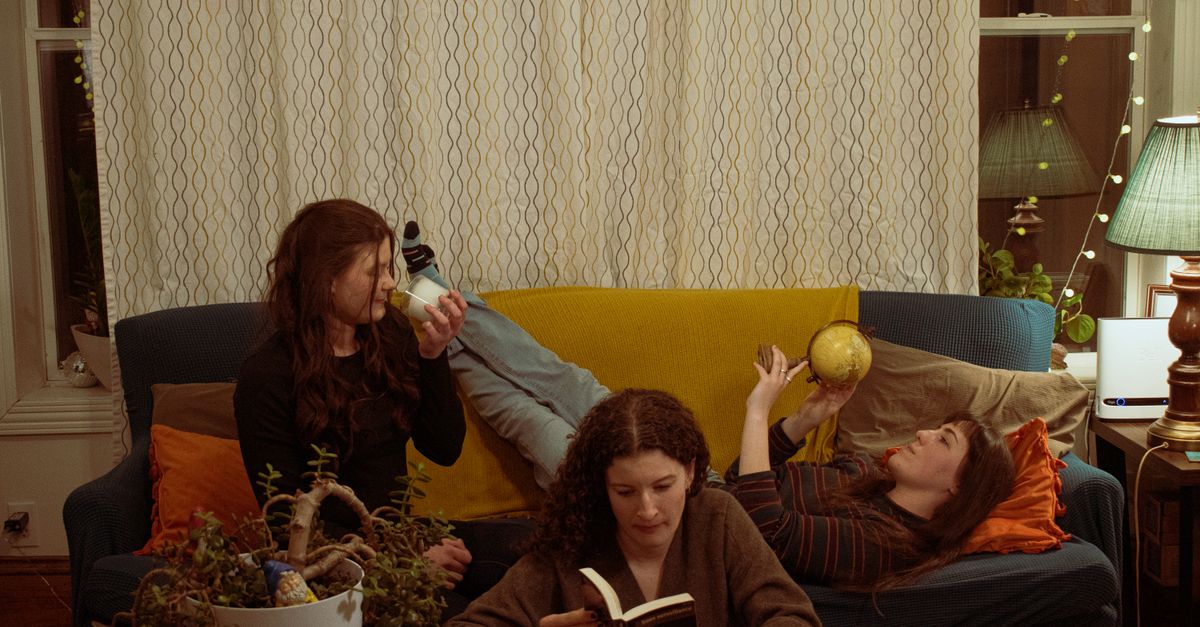
I see this in my own feed. It's a mashup of Stoicism, Buddhism, astrology, and a dash of "The Secret" (but with more nuance). It's eclectic. It's messy. And it's deeply, profoundly sincere.
Here’s what I’ve noticed about the "Spiritual But Not Religious" crowd (the SBNRs):
- They value experience over doctrine. They'd rather feel the "om" in a sound bath than recite a catechism.
- They are pragmatists. If it works—if it reduces anxiety, makes them kinder, gives them purpose—they keep it. If it doesn't, they discard it like an old app.
- They are syncretists. They don't see a problem mixing Kabbalah with Kundalini yoga. To them, truth is a buffet, not a prescription.
The danger here isn't the picking and choosing. The danger is the isolation. Building a faith entirely by yourself, in your own echo chamber, is like trying to build a car with no mechanic and no manual. You might get it to roll, but you probably won't get it to survive a highway crash.
The Search for the "Real"
So what is Gen Z actually looking for? It's not a softer, fluffier God. In fact, I'd argue they're looking for something harder.

They are starving for meaning that can withstand the apocalypse.
We are the generation of the climate crisis, of mass shootings, of a global pandemic that made us realize our "normal" was a house of cards. We don't have the luxury of a faith that just tells us to "be nice." We need a faith that tells us why we should keep going when everything is burning.
This is where I think the Church (big C) has completely dropped the ball. They're arguing about worship styles and translation accuracy while Gen Z is asking, "How do I find peace when the polar ice caps are melting?"
Gen Z wants a faith that gets its hands dirty. They don't want a lecture on purity; they want to know how to feed the homeless guy on the corner without getting arrested. They don't want a sermon on the sanctity of life; they want a community that actually supports adoption and foster care. They are looking for the action of faith, not just the talk of it.
I've seen this in the rise of "Red-Letter Christianity" among young believers—those who focus exclusively on the red-printed words of Jesus in the Bible. They're less interested in Paul's letters about church order and more interested in Jesus' commands to sell your possessions and give to the poor. That's radical. That's dangerous. And that's attractive to a generation that feels guilty about their overconsumption.
What This Means for You (If You're Still Holding the Hammer)
If you're over 30, reading this, and feeling a mix of confusion and defensiveness—I get it. It feels like the ground is shifting under your feet. But here's the thing: this isn't a war. It's a renovation.
Stop trying to make Gen Z come back to your building. They aren't coming. The "If we build it, they will come" strategy is dead. You can't just open the doors and expect the 20-somethings to fill the pews because you have good coffee and a rock band.
Here’s the secret—the hidden truth that most religious leaders are too scared to admit: Gen Z isn't looking for a better church. They're looking for a real one.
They are looking for a place where they can doubt without being shamed. They are looking for a place where they can say "I'm not sure if God exists" and not get a lecture, but a hug.
I've found that the most effective outreach isn't a megachurch event. It's a small group of genuine friends who meet in a dive bar on a Tuesday night to talk about their week—the good, the bad, and the ugly—and actually listen to each other.
The Bottom Line: It's About Belonging Before Believing
We've had the order wrong for centuries. We used to think: Believe the right things, and then you can belong to the group. Gen Z has flipped the script. They think: Let me belong somewhere safe, and then I'll figure out what I believe.

If you want to reach this generation, stop trying to convert them. Start trying to host them. Open your home. Open your table. Open your heart without a sales pitch attached.
I'm not saying the "old" way is wrong. My grandmother's house had a strong foundation. But the neighborhood has changed. The architecture needs to adapt. Maybe we need less marble and more drywall. Less ornate stained glass and more clear windows that let the light in—and let the world look out.
The future of faith isn't in the buildings. It's in the living rooms. It's in the Discord servers. It's in the genuine, messy, face-to-face encounters where we realize we're all just trying to find our way home.
The question isn't "Will Gen Z come back to church?" The real question is: "Will the church be willing to meet them in the parking lot?"
Because that's where the real conversation is happening. And honestly? It's the most alive I've seen faith look in decades.





