
Banking is dead. No, seriously — for a massive chunk of Gen Z, the marble-floored branches and smiling loan officers might as well be museums. I’ve watched my peers trade in their debit cards for seed phrases, and honestly? I don’t blame them. The shift from traditional banks to crypto wallets isn’t just a trend — it’s a full-blown generational rebellion. Let’s dig into the messy, exciting, and slightly terrifying reasons why.
The Boomer Bank Just Doesn't Get It
Here’s what most people miss: Gen Z grew up watching their parents get hammered by the 2008 financial crisis. We were kids, but we felt the aftershocks — foreclosures, stagnating wages, and a deep, simmering distrust of institutions that were "too big to fail." Fast forward to today, and traditional banks still operate like it’s 1995. Overdraft fees? Minimum balance requirements? Three-to-five business days to clear a transfer? In an era where I can send a meme to Tokyo in under a second, waiting 72 hours for my paycheck to clear feels like deliberate cruelty.
I’ve found that the real kicker is control. With a bank, you’re essentially renting your own money. The bank holds the keys, sets the rules, and can freeze your account for "suspicious activity" (read: you bought too many concert tickets in one week). Crypto wallets flip that script. When you hold your private keys, you are the bank. No permission needed, no gatekeepers, no middleman taking a cut. For a generation that values autonomy over almost everything, that’s not just appealing — it’s intoxicating.

The User Experience Gap Is Real (And Ugly)
Let’s be honest: most banking apps are hot garbage. They’re clunky, confusing, and designed by people who think "modern" means a gradient background and a sans-serif font. Meanwhile, crypto wallet interfaces like Phantom, MetaMask, or Trust Wallet are sleek, intuitive, and constantly evolving. They tap into the same UX principles that make TikTok addictive — quick actions, instant feedback, and a sense of discovery.
But here’s the hidden truth: it’s not just about design. It’s about philosophy. Traditional banks treat you like a liability. Every transaction is a potential fraud event to be flagged and reviewed. Crypto wallets treat you like an adult. Sure, that means you can also lose everything by accidentally sending funds to the wrong address — but Gen Z is willing to accept that risk in exchange for freedom. We’ve grown up with "with great power comes great responsibility" as a literal meme. We get it.
A personal example? I once had my debit card locked on a Friday night because I bought gas in a different state. The bank’s fraud department was closed until Monday. I was stranded. With a crypto wallet, I could have executed that transaction in seconds, anywhere, with zero human intervention. That single experience sold me on the concept, even if I’m still cautious about how much I hold in DeFi.
DeFi, Yield Farming, and the FOMO is Real
Okay, let’s talk about the elephant in the room: money. Traditional savings accounts offer interest rates that would be laughable if they weren’t so insulting — often 0.01% APY. Meanwhile, DeFi protocols on platforms like Aave or Compound have historically offered 5%, 10%, even 20% APY on stablecoins. For a generation grappling with inflation, student debt, and a housing market that feels rigged, the promise of actual returns is irresistible.
I’ve seen friends turn $500 into $2,000 in a month through yield farming. I’ve also seen friends lose $1,000 in a rug pull. The volatility is real, and the risks are staggering. But here’s what the critics miss: Gen Z isn’t stupid — we’re just willing to take calculated risks that boomers won’t touch. We’re the generation that turned meme stocks into a movement. We understand that high risk can mean high reward, and we’d rather try and fail than watch our savings rot in a bank account that pays us pennies.
The numbers back this up. A 2023 survey from Block found that 45% of Gen Z crypto owners started investing before age 21. That’s insane. We’re learning about DeFi yields, impermanent loss, and liquidity pools before we’ve even figured out how to file taxes. It’s messy, it’s chaotic, and it’s happening whether the establishment likes it or not.

Security, Scams, and the "Not Your Keys" Reality
Let’s pause the hype train for a second. Crypto wallets come with a terrifying caveat: you are responsible for everything. Lose your seed phrase? Your funds are gone forever. Fall for a phishing link? Say goodbye to your portfolio. Get hacked because you connected to a shady dApp? Tough luck. Traditional banks offer FDIC insurance, fraud protection, and chargebacks. Crypto wallets offer… cold storage tutorials and a prayer.
But here’s the twist: Gen Z actually prefers this level of accountability. We’ve been online our whole lives. We know how to spot scammy emails, recognize fake websites, and avoid obvious traps. For us, the security trade-off feels manageable — especially when compared to the alternative of trusting a faceless corporation that can freeze your assets on a whim.
I’ve found that the most successful crypto-native Gen Zers use a hybrid approach: they keep a small amount in a hot wallet for daily spending, a larger chunk in a hardware wallet (like a Ledger) for long-term holds, and maybe a tiny bit in a traditional bank account for rent and bills. It’s not all-or-nothing. It’s strategic. And that pragmatism is exactly why this shift isn’t going away.
What Banks Need to Learn (Before It’s Too Late)
Here’s the brutal truth: traditional banks aren’t doomed, but they’re irrelevant to Gen Z unless they evolve. The ones that survive will be the ones that adopt the best of crypto: instant settlements, transparent fees, programmable money, and real user ownership. Some are already trying — JPMorgan has its own blockchain, and a few neobanks are integrating crypto features. But the gap is still enormous.
What I’d love to see is a bank that acts like a crypto wallet: gives me full control over my keys, lets me earn yield on my deposits, and doesn’t lock my funds for "review" over a weekend. A bank that treats me like a partner, not a customer. Is that too much to ask? Probably. But Gen Z has a habit of asking for the impossible — and then building it ourselves when no one listens.
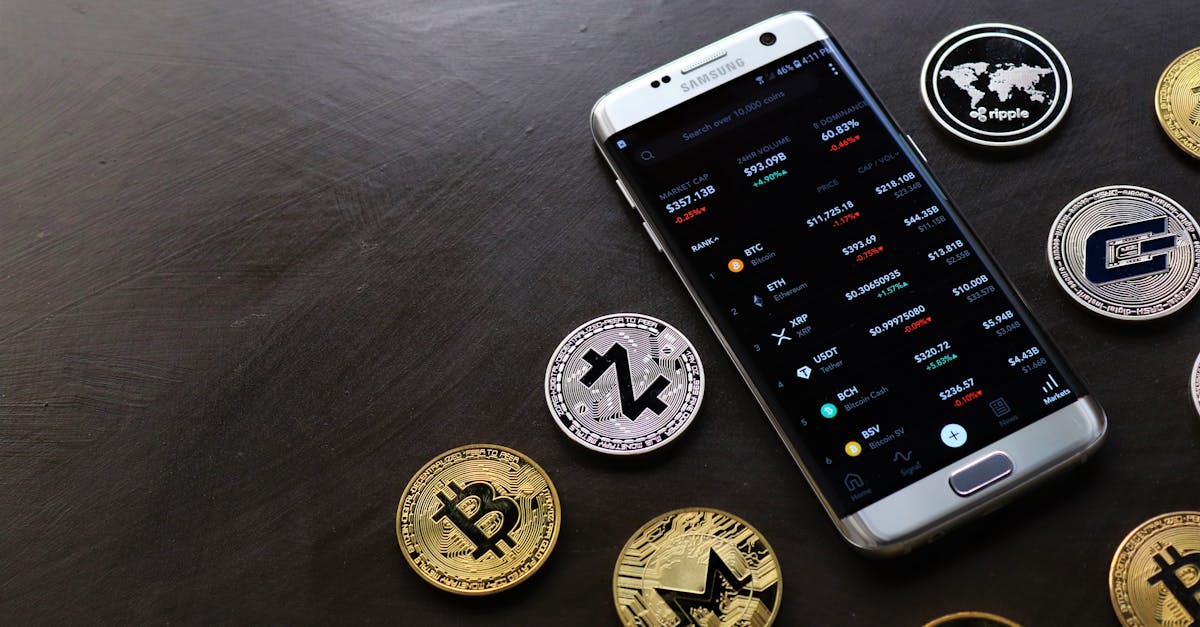
So, are we ditching banks entirely? Not yet. But the relationship has fundamentally changed. We’re no longer loyal. We’re no longer patient. And we’re no longer willing to accept a system that was designed for a world that no longer exists. The wallet is in our hands now — literally and figuratively.
The question isn’t whether Gen Z will leave traditional banks. The question is whether traditional banks will change fast enough to matter.