I remember the exact moment I stopped envying my friend’s "gifted" kid. We were at a park, and her nine-year-old was rattling off multiplication tables like a human calculator. My kid was trying to build a dam in a mud puddle. I felt that familiar pang of parental inadequity. But then, her kid looked up, totally lost, and asked, "Mom, am I allowed to play now?"
That’s when I started digging into education systems that didn’t treat childhood like a corporate training program. And what I found was Finland — the tiny Nordic nation that somehow produces happy, creative, high-performing students without homework, standardized tests, or private tutors. Here’s the shocking truth: it’s not magic. It’s just a system that actually respects kids. And as parents, we can steal their best ideas right now.
The "Less is More" Secret That Terrifies US Parents
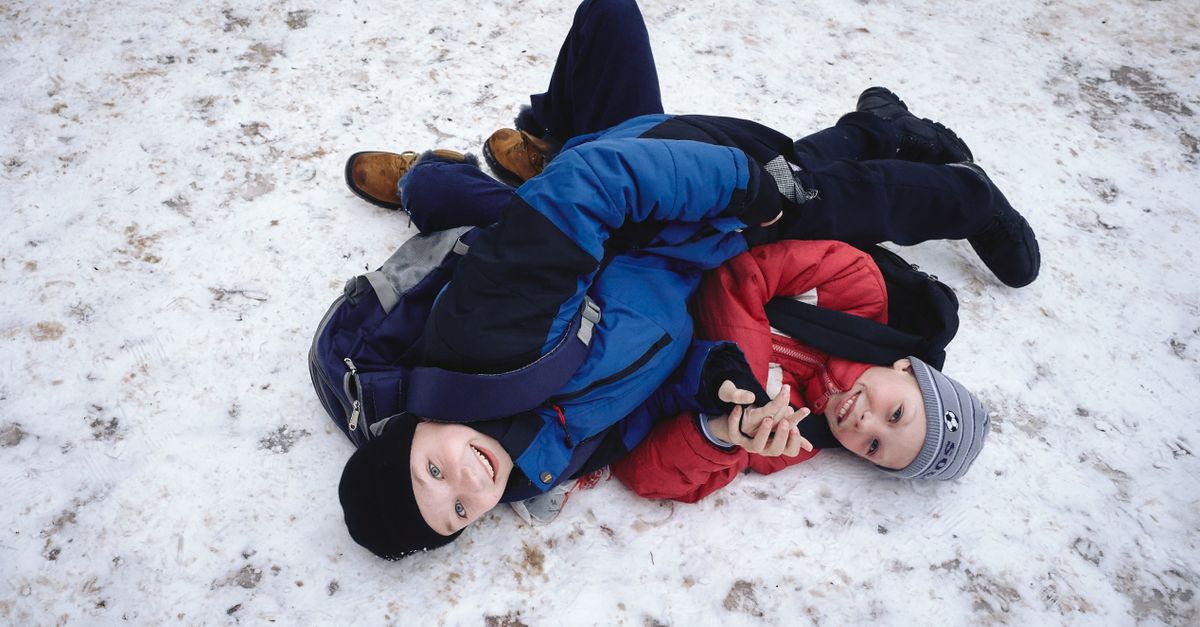
Let’s get the most controversial thing out of the way first: Finnish children don’t start formal academic instruction until age seven. In the US, we’re drilling sight words into four-year-olds and panicking if our kindergartner can’t read. I’ve been that parent. I bought the flashcards. I felt the guilt.
Here’s what most people miss: Finland isn’t "behind." They’re ahead in developmentally appropriate practice. Those early years are for play — real, unstructured, messy play. And guess what? By age 15, Finnish students outperform US students in reading, math, and science on the PISA tests. Let that sink in.
The lesson for parents? Stop racing to the starting line. I’ve found that when I stopped pushing academics before my kid was ready, something surprising happened: they started wanting to learn. Curiosity can’t be forced. It can only be protected.
Try this: replace one "learning activity" this week with pure play. A board game. A fort. A mud puddle. See what happens.
The No-Homework Policy That Actually Works
If you’ve ever spent a tear-filled evening battling your child over a worksheet, you already know the problem. Finnish schools rarely assign homework. When they do, it’s minimal — maybe 15-20 minutes for older students. Compare that to the US, where even first-graders sometimes bring home busywork.
Here’s the counterintuitive truth: homework in elementary school has virtually zero academic benefit. It mostly teaches kids that learning is punishment. I’ve seen it firsthand in my own home — the resistance, the meltdowns, the way my kid started saying "I hate school" by second grade. Finland knows that childhood is already full. Play, rest, family time — these aren't luxuries. They're essentials for brain development.
What you can do: If your child’s school piles on homework, push back. Ask the teacher: "Is this reinforcing something, or is it just filling time?" I’ve done this. Most teachers appreciate the question, and some will even reduce the load. And on weekends? Protect that time fiercely. No worksheets. No math drills. Just life.
Why Finnish Teachers Are Trusted (And US Teachers Are Tested)
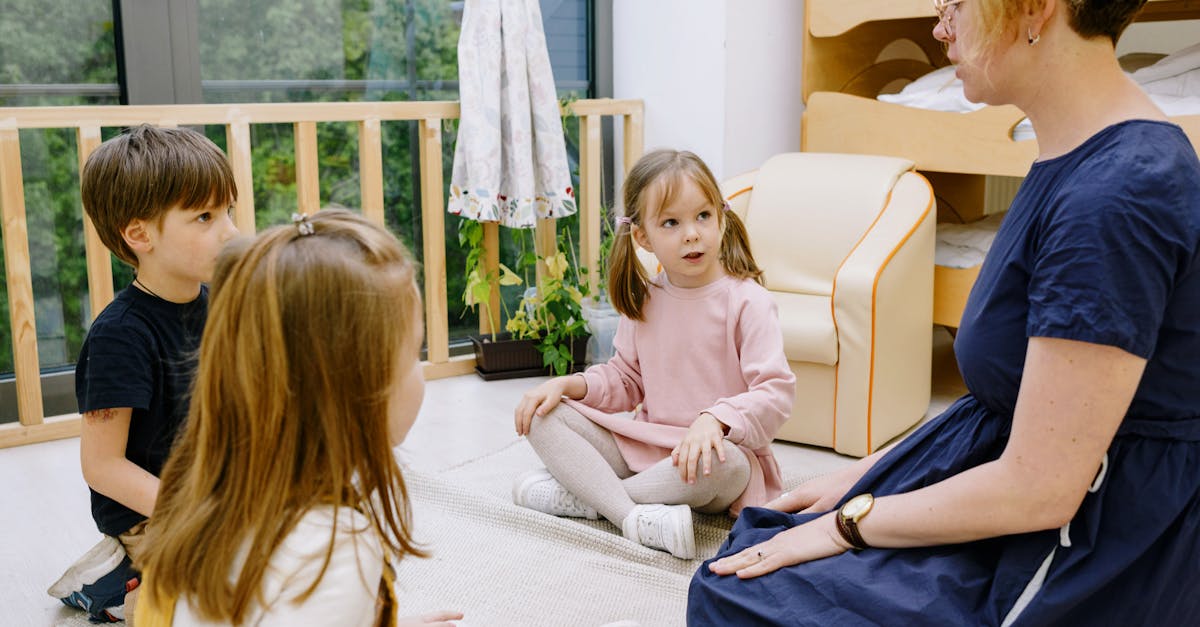
Here’s where the system really breaks down in America: we don’t trust teachers. We test them, evaluate them, tie their salaries to test scores, and blame them when kids fail. In Finland, teaching is one of the most respected professions — harder to get into than medical school. Teachers have autonomy. They design their own curriculum. They’re trusted to know what their students need.
I once asked a Finnish educator how she handles struggling students. She looked confused and said, "We help them. That’s the job." Not "we test them for learning disabilities" or "we recommend a tutor." Just... help.
The implication for parents is deeper than you think: stop undermining the teachers you have. I know, some are bad. But most are overworked and under-supported. When you model respect for educators, your child learns that learning is a collaboration, not a battle. If you want a Finland-like experience, find teachers who see your child as a whole person, not a data point.
The Playground Is a Classroom (And You're Not Using It Enough)
Finnish schools have 15 minutes of free play for every 45 minutes of instruction. Plus longer recesses. Plus outdoor time in all weather. In the US, we’re cutting recess to cram in more "instruction time." We’re terrified of "off task" behavior.
But here’s the science: children’s brains need breaks to consolidate learning. The prefrontal cortex — the part responsible for focus and self-control — gets exhausted. Without play, kids become dysregulated. They can't learn. I’ve seen this in my own kid: a 20-minute recess break makes afternoon academics easier, not harder.
Your move: Advocate for more recess at your child’s school. Write a letter. Talk to the PTA. And at home, build in "brain breaks" — 10 minutes of jumping jacks, dancing, or just staring at clouds. I do this with my kid before homework, and I swear it cuts the whining in half.

The Hidden Curriculum: Why Finnish Kids Are Happier (And Why That Matters)
Most Americans think happiness is a nice bonus in education, not the goal. Finland puts well-being first. Their schools have no standardized tests until the end of high school. No rankings. No "gifted" programs. Every child is supported where they are.
The result? Finnish teens report lower stress, higher life satisfaction, and — get this — better academic outcomes anyway. It’s almost like treating kids like humans makes them want to learn. Shocking, I know.
Here’s what I’ve taken from this: stop making grades the measure of success. I know it’s hard. I catch myself doing it too. But when I ask my kid "What did you learn today?" instead of "What grade did you get?" — the conversation changes. They tell me about the ant they watched for ten minutes. Or the argument they had with a friend. Or the book that made them cry. That’s real learning.
The Finnish Truth: It's Not About the System, It's About the Values
You can’t move to Finland tomorrow. But you can adopt the values that make their system work: trust children, prioritize play, respect teachers, and measure success in curiosity, not points.
I’m not saying it’s easy. We’re swimming against a current of "earlier is better" and "more is more." But every time I choose play over a worksheet, or rest over a drill, I see my kid relax. They learn more. They laugh more. And honestly? I enjoy parenting more.
So here’s my challenge: pick one lesson from this list. Try it for a week. See what happens. You might just find that the secret to better education isn’t in a textbook — it’s in a mud puddle.