
My cousin Meltem texted me at 11 p.m. last Tuesday, in full panic mode.
"I have cortisol face," she wrote. "I saw it on TikTok. My cheeks are puffy, my jaw looks weird, and apparently it's because I'm stressed. Am I doomed? Should I quit my job?"
Meltem is a 29-year-old architect who sleeps five hours a night, drinks three espressos before noon, and hasn't taken a real vacation since 2022. She doesn't need a viral diagnosis. She needs a nap.
But here's the thing — she's not alone. Search interest in "cortisol face" has exploded, and every third video on my feed features someone pressing their fingers into their cheeks, convinced their stress hormone is rearranging their bone structure overnight. So let's separate the science from the scroll bait, shall we?
What the Heck Is "Cortisol Face" Anyway?
The term itself isn't medical. Nobody in an endocrinology lab is diagnosing "cortisol face." It's internet shorthand for a cluster of complaints: puffy cheeks, a rounder face, under-eye bags, and a generally swollen look — all blamed on chronically elevated cortisol, the hormone your adrenal glands release when you're stressed.
The logic sounds plausible. Cortisol is real. Chronic stress is real. And cortisol does influence fluid balance, inflammation, and fat distribution. Case closed, right?
Not so fast.
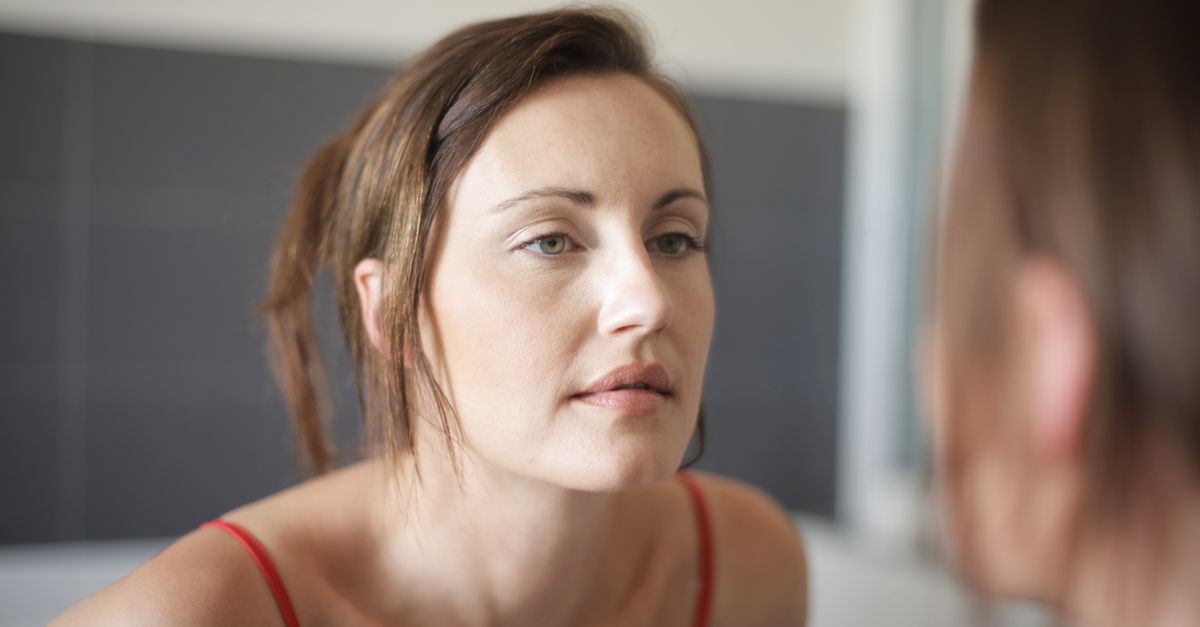
The Rare Disease That Got Hijacked by TikTok
Here's what most people miss: there's an actual medical condition where cortisol levels go genuinely haywire — it's called Cushing's syndrome. When someone has it, they develop a very specific set of symptoms: a rounded "moon face," fat accumulation around the neck and upper back, thinning skin, easy bruising, and muscle weakness.
Cushing's syndrome affects roughly 40 to 70 people per million each year. It's rare. It's serious. And it requires an endocrinologist, not a wellness influencer with a ring light.
The problem? A handful of creators noticed their faces looked different after stressful periods, borrowed the language of real medicine, and suddenly millions of people believe they have a rare endocrine disorder because their face looks slightly puffy in the morning.
I've found that this is the internet's favorite trick: take a legitimate medical concept, sand off all the nuance, and sell it back to you as a personal failing.
Your Puffy Face Probably Isn't Your Adrenal Glands
Let's be honest — if I asked you to list everything that makes a face look swollen, cortisol would come in somewhere around number twelve. Here's what's actually more likely:
- Salt and alcohol. A late-night ramen-and-wine combo will puff you up faster than any stress response.
- Sleep position and sleep debt. Sleeping flat, or barely sleeping at all, shows up on your face by morning.
- Dehydration. Counterintuitive, but your body holds onto water when you don't drink enough of it.
- Allergies and sinus issues. Histamine does puffiness like nobody's business.
- Hormonal shifts. Menstrual cycles, pregnancy, perimenopause — all of it changes how your face holds fluid.
- Genetics. Some people just have rounder faces. That's not a diagnosis. That's a face.

So Is Cortisol the Villain or Not?
Cortisol has gotten a terrible reputation, and honestly, it deserves better PR.
It wakes you up in the morning. It keeps your blood pressure steady. It mobilizes energy when you need to sprint for a train or nail a presentation. Without it, you'd be in serious trouble — people with adrenal insufficiency literally need medication to survive.
The issue isn't cortisol. The issue is chronic elevation — the kind that comes from months of poor sleep, no boundaries, and a nervous system that never gets the "all clear" signal.
And even then, the visible symptoms of chronic stress are usually more boring than a viral face transformation: fatigue, irritability, disrupted sleep, weird appetite changes, getting sick more often. Your cheeks are rarely the first thing to complain.
The Cortisol Face Fix Nobody's Selling You
If you're genuinely worried your face has changed, here's my honest advice, in order:
- See a doctor, not a dermatologist-influencer. Ask for basic bloodwork. If something's off hormonally, a real professional will find it.
- Audit your sleep before you audit your skincare. Seven to nine hours. Non-negotiable. No serum replaces it.
- Cut the late-night salt and alcohol for two weeks and watch your face change. I'm serious.
- Move your body daily — not to "burn cortisol," which is nonsense, but because movement regulates your stress response.
- Stop doom-scrolling symptom content. The algorithm rewards fear. Your nervous system doesn't need it.
The unsexy truth is that stress management isn't a product — it's a practice. And it looks different for everyone. For Meltem, it turned out to be quitting the espresso-after-3-p.m. habit and actually taking her lunch break. Three weeks later, she sent me a selfie captioned: "cortisol face cured, apparently it was just dehydration and exhaustion."
Revolutionary, right?
So the next time your feed tells you your face is betraying your hormones, take a breath — literally. Ask yourself whether you're stressed because of a rare endocrine disorder, or because you haven't slept properly since March. One of those has a TikTok hashtag. The other has a solution.
And if you're genuinely experiencing rapid facial changes, unexplained weight shifts, or bruising that doesn't make sense — please, go see an actual doctor. The internet is great for a lot of things. Diagnosing your endocrine system isn't one of them.
Your face isn't the problem. Your calendar probably is.





