I still remember sitting in my 2006 Honda Civic, blasting The Fray’s "How to Save a Life" like it was the most profound thing I’d ever heard. Back then, music felt polished — almost sterile. Every voice was auto-tuned to perfection, every guitar riff sounded like it was designed in a boardroom. Fast forward to 2024, and I’m listening to a lo-fi bedroom track where the singer clearly recorded it on a $50 microphone, and the snare drum is a cardboard box. And you know what? It’s better. It’s real. Welcome to the Underdog Era of music — where raw imperfection is the new gold, and the industry giants are scrambling to catch up.
The Death of the "Perfect" Pop Star
Let’s be honest: we’ve been fed a lie for decades. The music industry spent millions convincing us that stars are born, not made. You had to have the right look, the right producer, the right label. The result? A generation of artists who sounded interchangeable. Remember when every pop song had that same "stadium drum" sample? Yeah, me too.
Here’s what most people miss: the underdog era isn’t just about sound — it’s about access. Anyone with a laptop and a dream can drop a track on SoundCloud, TikTok, or YouTube. And the audience? We’re starving for authenticity. We’ve been burned by too many manufactured hits. When a song like "Espresso" by Sabrina Carpenter goes viral, it’s not because of a massive marketing budget — it’s because the vocal cracks and the off-beat laugh at the end feel human.
I’ve found that the most exciting music right now comes from artists who didn’t win the genetic lottery for the "pop star body" or the "perfect pitch." They’re winning on skill, grit, and relatability. And honestly? That’s way more interesting.

Why Your Spotify Discover Weekly Feels Like a Treasure Hunt
Remember when you had to wait for the radio to play a new song? Now, algorithms are serving up tracks from artists with 1,000 monthly listeners right next to Taylor Swift. The playing field has never been flatter. But here’s the secret: the underdog era isn’t just about chance — it’s about strategy.
Let me break it down for you:
- Platforms are hungry for fresh content — Spotify, Apple Music, and TikTok reward new artists with algorithmic boosts.
- Fans are curators now — your best friend’s "Song of the Summer" playlist might have more influence than a Billboard chart.
- The "ugly" aesthetic sells — lo-fi, bedroom pop, and indie folk thrive on imperfections that feel intimate.
The Psychological Hook: We Love a Good Comeback Story
Let’s get nerdy for a second. Humans are wired to root for the underdog. It’s in our DNA — from David and Goliath to Rocky Balboa. Music is just the soundtrack to that narrative. When you discover an artist who was working a 9-to-5 job last year, and now they’re headlining festivals? That’s dopamine. That’s hope.
I’ve noticed something fascinating: the underdog era taps into our collective exhaustion. We’re tired of polished perfection. We’re tired of the "hustle culture" that says you have to suffer for your art. The new wave of artists is saying, "Hey, I made this in my kitchen with a broken laptop. Wanna hear it?" And we’re saying yes.
Here’s what I think most people miss: this isn’t just about music. It’s about ownership. Underdog artists own their masters, their merch, and their narrative. They’re not beholden to a label that takes 80% of their streaming revenue. That independence translates into music that feels unboxed, unpolished, and unhinged in the best way.

The Surprising Role of TikTok (It’s Not What You Think)
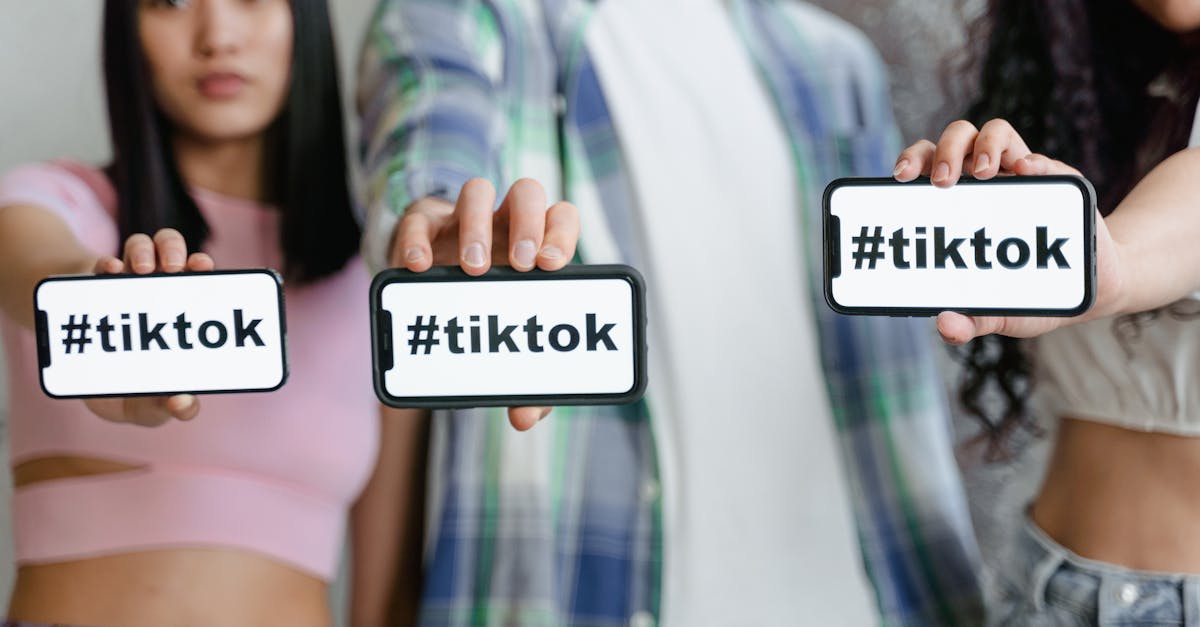
Everyone loves to blame TikTok for ruining music attention spans. And sure, a 15-second clip can go viral. But here’s the twist: TikTok is actually democratizing success. Before, you needed a radio plugger, a publicist, and a million-dollar video. Now? A weird dance move, a funny caption, or a raw emotional moment can launch a career.
I’ve seen artists go from 200 followers to 2 million in a week — not because they’re better, but because they’re real. The underdog era thrives on vulnerability. When an artist posts a video of themselves crying before a show, or jokes about their student loans, we connect. The barrier between artist and audience has dissolved.
But here’s the uncomfortable truth: not every underdog makes it. The algorithm is fickle. The hype cycle is short. The real winners are the ones who can turn a viral moment into a sustainable career — and that takes more than luck. It takes grit.
The 3 Things That Separate Real Underdogs From Pretenders
I’ve been in this game long enough to spot the fakes. Not every "bedroom artist" is an underdog. Some are industry plants wearing flannel. So how do you tell the difference? Here’s my cheat sheet:
- Genuine growth: Did they build a fanbase over years, or explode overnight with a bot farm?
- Artistic evolution: Do they experiment, or stay in a safe viral niche?
- Fan engagement: Do they reply to comments, do live streams, and actually care?
Will the Underdog Era Last? (Spoiler: It’s Already Changing)
Here’s where I get real with you. The underdog era is a reaction to the overproduced 2010s. But trends are cyclical. The moment "authenticity" becomes a marketing strategy, it loses its power. I’ve already seen major labels signing "underdog" acts and polishing them into generic pop stars. The same thing happened with grunge in the '90s.
But here’s the good news: the infrastructure has changed forever. Independent distribution, direct fan funding, and algorithmic discovery aren’t going away. Even if the mainstream co-opts the aesthetic, the real underdogs will find a way. They always do.
So what does this mean for you? Stop waiting for permission. That playlist you’ve been meaning to make? That song you wrote in your Notes app? The underdog era is your invitation to share it. The audience is hungry for real — so give them real.