
The Hidden Truth About Passwords: 87% of Them Could Vanish by Next Year
Last Tuesday, I tried to log into my bank account and realized I couldn't remember my password. Not because I'd forgotten it — but because I'd never actually set one. My face did the work instead. And that moment hit me: the password era is ending, and most people haven't noticed yet.
Here's the statistic that stopped me cold: over 80% of hacking-related breaches involve stolen or weak passwords. Read that again. We built our entire digital lives on a system that fails four out of five times when someone actually tries to break in.
So yeah — 2025 is the year we finally say enough.
The Password Paradox Nobody Talks About
Let's be honest. Passwords were never designed for the world we live in now. They were invented in the 1960s for a single mainframe with a handful of users. Fast forward sixty years and the average person juggles 100+ online accounts.
I've found that most people handle this impossible math the same way: reuse the same three passwords everywhere, add a "!" when the site demands it, and pray.
Here's what most people miss — that strategy is now genuinely dangerous. Credential stuffing attacks (where hackers take leaked passwords from one breach and try them everywhere) have become automated and terrifyingly effective. A single leak on some random shopping site can unlock your email, your socials, your banking.
The password isn't just inconvenient. It's a liability.

Passkeys: The Tech That's Quietly Taking Over
If you've logged into Google, Apple, or Amazon recently and seen a prompt asking if you want to "save a passkey" — that's the future knocking.
Passkeys replace passwords with cryptographic keys stored on your device. When you log in, your phone or laptop proves it's you using your fingerprint, face, or a PIN. No password ever crosses the internet. Nothing to steal, phish, or forget.
Sounds too good? I thought so too. Then I actually switched.
My personal experience after three months of passkey life:
- Logins went from ~15 seconds to about 2
- I haven't typed a password on my phone in weeks
- The nagging anxiety of "is this site safe?" basically disappeared
Why 2025 Is the Tipping Point
Timing is everything, and the stars have finally aligned.
First, the tech matured. Early passkey implementations were clunky — syncing between devices was a nightmare, and losing your phone felt catastrophic. That's mostly solved now. Passkeys sync through your iCloud or Google account, so a new phone picks up right where the old one left off.
Second, the scams got worse. Deepfake voice calls, AI-generated phishing emails, SIM-swap attacks — the old defenses are crumbling. When a hacker can clone your voice with three seconds of audio, a "secret word" over the phone means nothing.
Third, and this is the big one: regulators started pushing. Governments are moving toward "phishing-resistant authentication" requirements for critical services. Passwords simply don't qualify.
The result? A perfect storm where the alternative is finally better than the thing it's replacing.
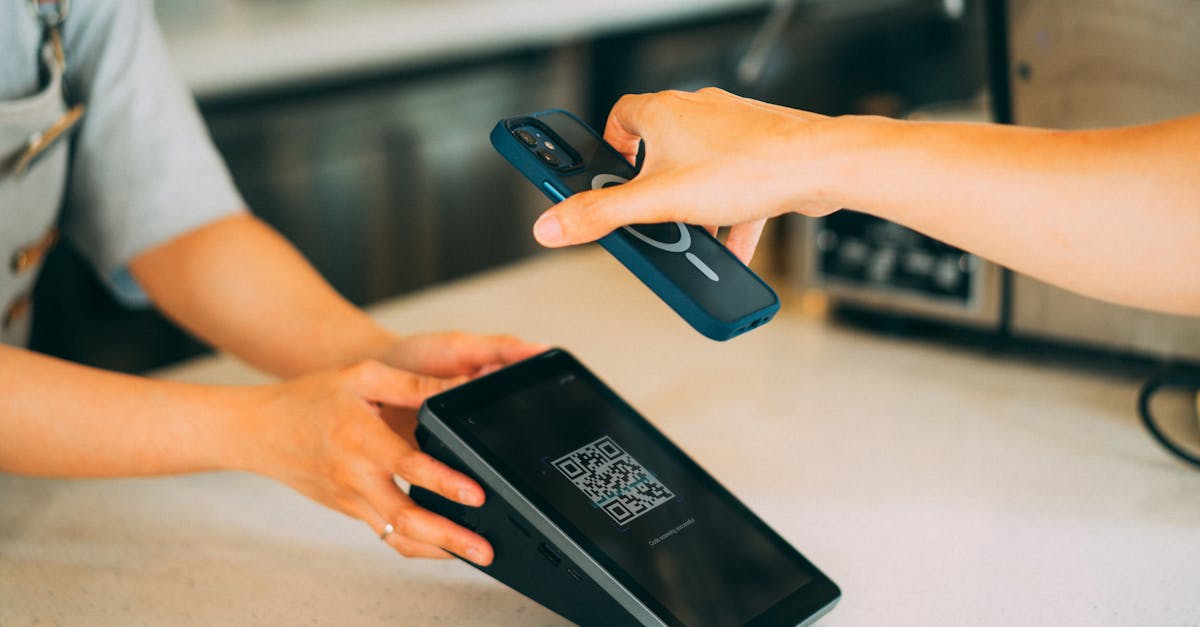
The Skeptics Have a Point (Sort Of)
I'm not going to pretend this transition is frictionless. Every time I write about passkeys, someone comments: "What if I lose my phone?"
Fair question. Here's the honest answer: you have recovery options. Backup codes, a second trusted device, or account recovery through your provider. It's not perfect — and yes, it shifts trust from "something you know" to "something you have."
But compare that to the alternative. With passwords, you're trusting that:
- Every website stores your credentials securely (they don't)
- You never fall for a convincing phishing page (you will)
- Your password manager never gets breached (it might)
What This Means for Your Everyday Life
You don't need to overhaul everything tomorrow. But you should start paying attention — because the shift is happening whether you opt in or not.
My advice after living this transition:
- Turn on passkeys for your email first. It's the master key to everything else.
- Keep your password manager. It'll handle the sites that haven't caught up yet.
- Enable two-factor authentication as a bridge. Not perfect, but far better than nothing.
- Don't panic about the learning curve. It took me one afternoon. Genuinely.
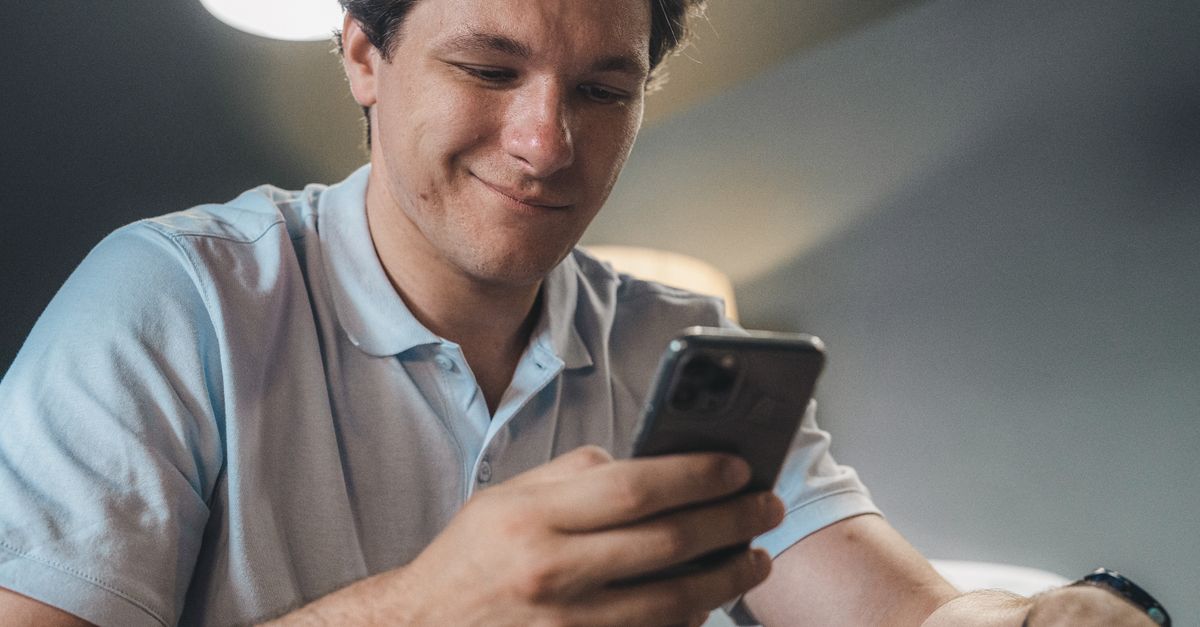
The Day You'll Realize You Forgot Your Password — and Won't Care
Here's the thought I can't shake: in a few years, "what's your password?" will sound as dated as "where's the phone book?"
We're watching the slow, quiet death of a technology that shaped an entire generation of digital habits. And honestly? Good riddance.
The password served us well when the internet was small. But we're not living in that world anymore. We're living in a world where your face, your fingerprint, and a cryptographic key do a better job than a string of characters you made up in 2013.
So here's my challenge to you this week: go enable a passkey on one account. Just one. Feel how fast it is. Feel how normal it feels.
Then try to imagine going back.
I bet you won't want to.





