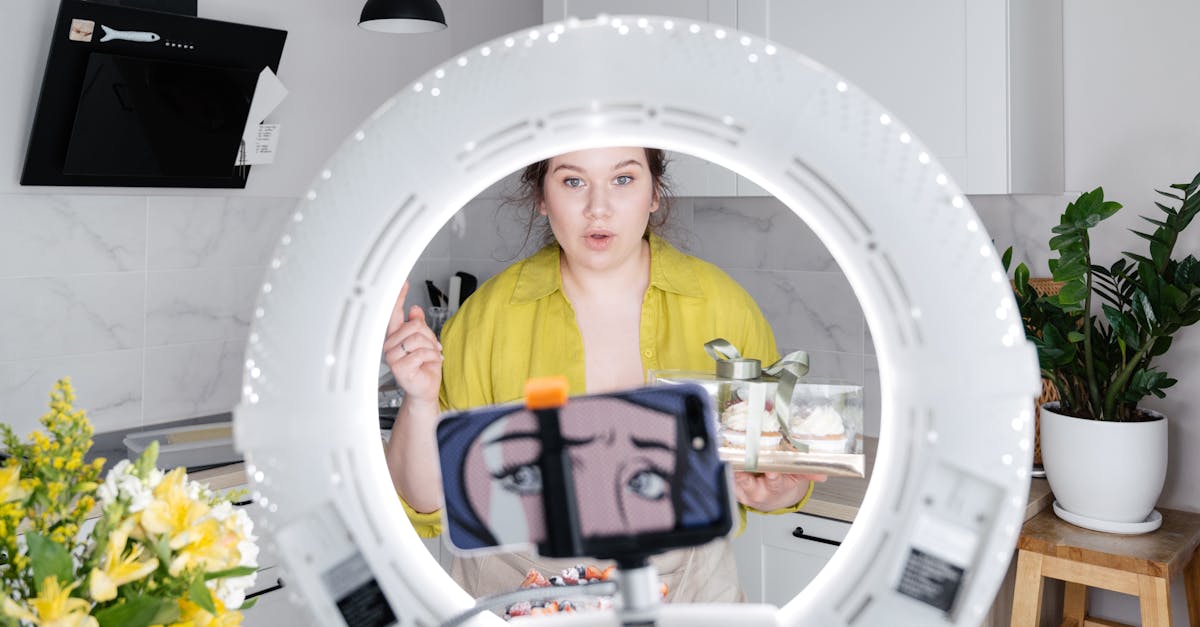
Picture this: a 23-year-old with a ring light and a TikTok account breaks a story about a local factory closing before the town's 80-year-old newspaper even gets a reporter to the scene. That's not a hypothetical. I've watched it happen in at least three mid-sized cities over the past two years. And it's exactly why the newsfluencer economy has everyone from legacy media executives to brand strategists sweating through their quarterly earnings calls.
Here's the little-known fact that stopped me cold: according to recent industry surveys, nearly half of adults under 30 now get their news primarily from social media influencers rather than traditional outlets. Not "also from." Primarily. Let that sink in for a second. The person telling you what's happening in the world might be someone who was doing a skincare haul last Tuesday.
The Rise of the Newsfluencer: When Your News Anchor Has a Promo Code
Let's be honest — "newsfluencer" sounds like a word a marketing team invented in a conference room with too much cold brew. But the phenomenon is dead serious. These are creators who blend journalism, commentary, and personality into news content that actually gets watched. Think TikTok explainers on the Fed's interest rate decisions. Instagram carousels breaking down a Supreme Court ruling. YouTube deep-dives on local corruption that the regional paper buried on page nine.
I've found that the best newsfluencers share three traits: they're fast, they're conversational, and they're visibly human. No robotic anchor voice. No "sources say" hedging that leaves you wondering what actually happened. They say "here's what I know, here's what I don't, and here's why you should care."
And audiences are rewarding that. Massively.
Why Trust Is the Hidden Currency Nobody's Pricing Correctly
Here's what most people miss about the newsfluencer economy: it's not really a content economy at all. It's a trust economy wearing a content costume.
Traditional media built trust through institutional reputation — the masthead, the Pulitzer, the corrections page. Newsfluencers build trust through parasocial relationships. You watch someone for two years, you feel like you know them, and when they tell you a city council vote matters, you believe them the way you'd believe a friend.
That's powerful. It's also terrifying.
Because here's the uncomfortable truth: parasocial trust doesn't come with editorial oversight. There's no fact-checking desk. No standards committee. No one tapping a creator on the shoulder saying "hey, that number's wrong." When a newsfluencer gets something wrong — and they will — the correction often lives in a comment pinned to a video, not in a formal retraction.
I'm not saying legacy media is flawless. Far from it. But the accountability structures exist, even when they creak. With newsfluencers, we're basically building a trust ecosystem on vibes and good intentions.
The Numbers Behind the Newsfluencer Economy (and Who's Cashing In)
Let's talk money, because that's where this gets genuinely fascinating — and a little messy.
- Brand deals are flooding in. News-adjacent creators are landing sponsorships from fintech apps, news aggregators, and even civic engagement nonprofits.
- Newsletters are the new newsrooms. Creators are converting social followings into paid Substack-style subscriptions at rates that make legacy publishers jealous.
- Platforms are actively courting them. Some platforms now run creator funds specifically for news content, effectively subsidizing independent journalism without calling it that.

Three Things Every Brand (and Newsroom) Gets Wrong About This Shift
I've talked to enough marketing leads and editors to notice a pattern. Here's the recurring blind spot list:
- Treating newsfluencers as a distribution channel instead of a trust relationship. You can't just hand a creator a press release and expect credibility to transfer. Audiences smell inauthenticity like a bad batch of leftovers.
- Assuming younger audiences don't care about accuracy. They absolutely do — they just want it delivered by someone who doesn't sound like a corporate memo.
- Ignoring the correction problem. Smart newsfluencers are building their own transparency rituals — citing sources on screen, linking receipts, doing "corrections" videos. That's the stuff that'll separate the durable creators from the flash-in-the-pan ones.
So... Should You Actually Trust Them?
This is the question everyone's dancing around, so let's just ask it directly. Can you trust a newsfluencer?
My honest answer: sometimes, and it depends — which is exactly the same answer you'd give about any news source. The real skill audiences need to develop isn't "trust institutions" or "trust creators." It's source literacy — the ability to ask "who's telling me this, what's their incentive, and can I verify it in thirty seconds?"
The newsfluencer economy isn't destroying trust in media. It's redistributing it — away from logos and toward faces. Whether that's a net good depends entirely on whether creators take that responsibility as seriously as their ring lights.
So here's my challenge to you: next time a creator breaks a story in your feed, don't just hit share. Spend thirty seconds checking the claim. Follow the link. See if the receipts match the rhetoric. The future of trust might not be built by institutions — but it won't survive without audiences who hold everyone accountable.
What's the last news story you saw from a creator instead of a newsroom? I genuinely want to know — drop it in the comments.