
My friend Sara texted me a photo last Tuesday of her windowsill looking like a botanical garden threw up on it. Pothos cuttings in mason jars, a sad basil plant fighting for its life, a monstera she impulse-bought at 11 p.m. — and a spreadsheet taped to the wall with thirty numbered boxes. Half of them were checked off.
"I'm doing the 30-plant challenge," she wrote. "Day nine. I've named them all. Please send help. And potting soil."
I laughed, then I did what any self-respecting science blogger does when a trend lands in my group chat: I went down a research rabbit hole. Because here's the thing — the 30-plant challenge sounds like another TikTok invention, but the science underneath it is genuinely fascinating. Some of it holds up beautifully. Some of it is, let's be honest, influencer nonsense dressed in a lab coat.
The Rule That's Taking Over Group Chats
If you've somehow missed it, the premise is simple. You acquire thirty plants over roughly thirty days (or commit to caring for thirty plants total, depending on which version of the challenge you stumble into). The idea blew up on social media as a wellness flex — a way to "reset your space," boost your mood, and build a daily habit that isn't doomscrolling.
I've found that most people who start it aren't plant experts. They're people who want something to nurture that doesn't talk back. And honestly? That's a pretty relatable motivation in a year that's felt like a group project where nobody's doing the reading.

What the Science Actually Says About Plants and Your Brain
Let's start with the good news, because there's plenty.
Research on indoor plants and stress has been around for decades, and the pattern is consistent: being around plants can lower physiological stress markers, improve mood, and take the edge off mental fatigue. One well-known study from the University of Hyogo in Japan found that office workers who kept a small plant on their desk reported significantly lower anxiety and stress than those who didn't. We're talking tiny plants here. Not a jungle. One little guy.
There's also solid evidence for what researchers call attention restoration — the idea that natural elements give your overworked focus system a break. Staring at leaves is basically a spa day for your prefrontal cortex. This is why a five-minute plant-watering break can feel weirdly restorative compared to five minutes of scrolling.
And then there's the hygiene hypothesis corner of the literature, which suggests that exposure to environmental microbes — including the ones living in potting soil — might support immune development. I want to be careful here: this is an area of active research, not a guarantee. But the idea that getting your hands dirty is doing something for you isn't pure folklore.
Here's what most people miss, though: the dose matters less than the ritual. The stress-relief benefits seem to come more from the act of caring — watering, checking leaves, noticing change — than from hitting an arbitrary plant count. Thirty plants isn't a magic number. Thirty is just a number that makes a good video.
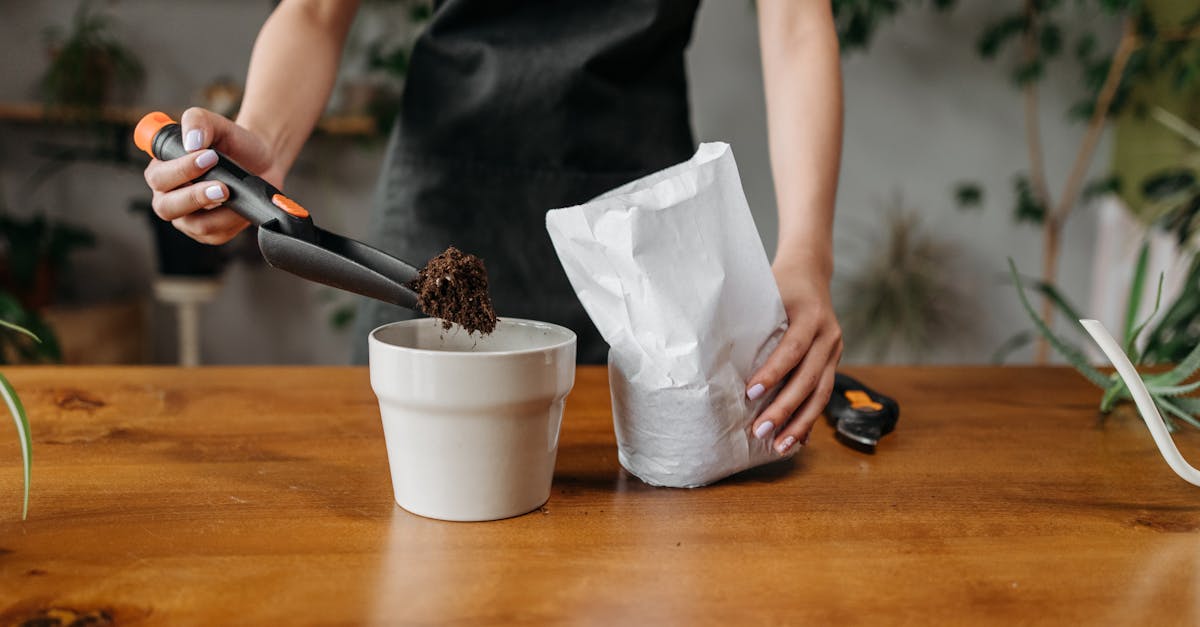
The Uncomfortable Truth About "Plant Parent" Wellness Claims
Now for the part where I take off my cheerleader hat.
A lot of the claims floating around the 30-plant challenge — "plants purify your air!" being the loudest — are oversold. The famous NASA clean air study gets cited constantly, but it was conducted in sealed lab chambers, not your living room. You'd need hundreds of plants in a hermetically sealed apartment to meaningfully change air quality. Your open window does more.
I'm not saying plants are useless. I'm saying the wellness industry loves a number, and thirty is a very marketable number. The challenge can quietly slide from "nurture something" into "buy more stuff," and that's where it stops being science and starts being a shopping list.
Let's be honest: if you're drowning in thirty plants and stressing about keeping them alive, you've accidentally created a second job. A 2019 study on plant care and wellbeing found benefits tied to enjoyment of the interaction — not the volume. Kill twelve plants in a panic and the cortisol math flips fast.
The 30-Plant Challenge, Minus the Guilt
So how do you do this without turning your apartment into a greenhouse you can't maintain? Here's the version I'd actually recommend:
- Start with five, not thirty. The research on mood and stress doesn't require a botanical army. A handful of easy-care plants delivers most of the benefit.
- Pick plants that match your life. If you travel or forget to water, choose pothos, snake plants, or ZZ plants. If you love fussing, go for ferns and calatheas.
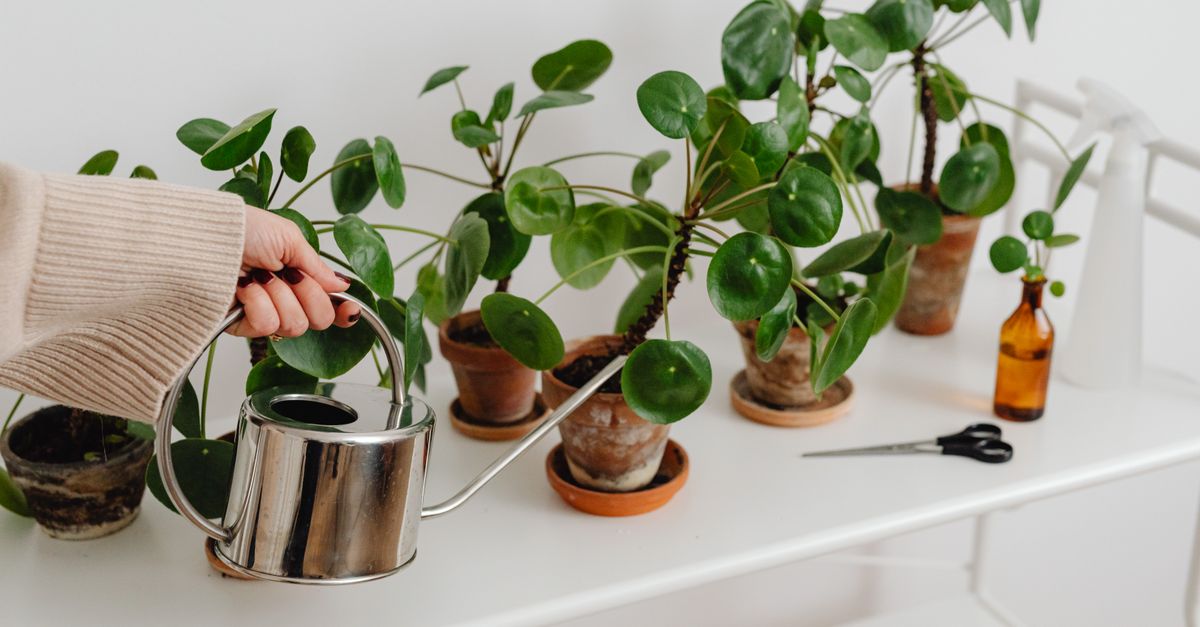
- Prioritize the ritual over the collection. A daily five-minute check-in — water, rotate, inspect — is where the stress relief lives.
- Skip the "air purifier" fantasy. Buy plants because they make you happy and your space nicer. That's a good enough reason.
- Let some die and don't spiral. Even botanists lose plants. It's not a moral failure; it's gardening.
The Verdict: Trendy, But Not Empty
Would I tell you to go buy thirty plants tomorrow? No. Would I tell you the 30-plant challenge is pure hype? Also no.
The science on houseplants and mental wellbeing is real, if modest — better mood, lower stress, a calmer nervous system, and a genuinely pleasant reason to get off your phone for a few minutes a day. The science on thirty specifically being some kind of threshold? That's the internet talking, not the journals.
Here's what I keep coming back to: Sara's spreadsheet made her happy. Not because she hit thirty, but because she had something small and green to look after. That's the whole secret. The challenge isn't about plants. It's about care. And you can start that with one sad basil from the grocery store.
So — how many plants are on your windowsill right now? Count them. Then tell me in the comments whether the number surprised you. I'll be over here repotting my third pothos and pretending it's for science.