
I was sitting in a café last Tuesday when I noticed something genuinely strange. Six people at six different tables, and not one of them was scrolling. No thumb-flicking. No phantom phone checks. Just... humans, staring into space, reading actual paper books, or—get this—talking to each other.
Turns out I wasn't imagining a trend. Data from app analytics firms shows that downloads for major social media platforms dropped by nearly 20% in the last year, while "digital detox" apps surged past 50 million downloads. The Great Unfollowing isn't a fringe movement anymore. It's a full-blown exodus.
So what's actually happening? And more importantly—what are all these people doing with their reclaimed hours? Let's get into it.
The Quiet Rebellion Nobody Saw Coming
Here's what most people miss about this trend: it didn't start with some dramatic "I'm quitting forever!" announcement post. (The irony of announcing a social media break on social media is not lost on me.)
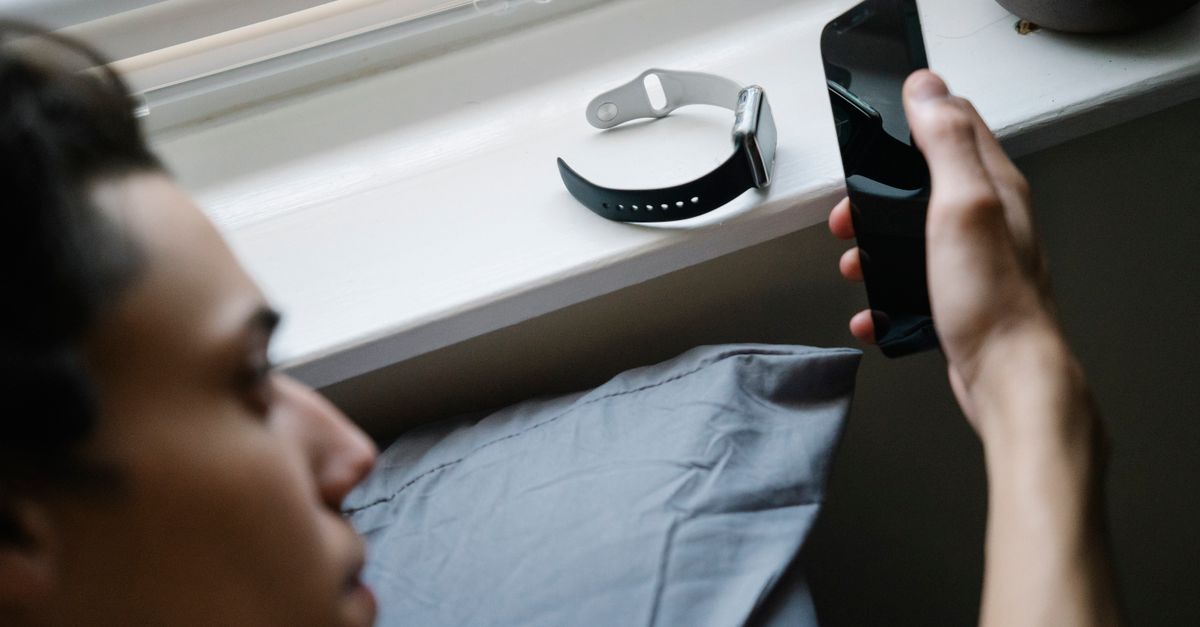
Instead, it happened quietly. People just... stopped opening the apps. They deleted them off their home screens first. Then off their phones entirely. No farewell tour, no dramatic captions. Just gone.
I've found that the most committed ex-social-media users describe it less like a sacrifice and more like escaping a bad relationship you didn't realize was toxic. One friend told me she kept waiting to feel the "fear of missing out"—and instead felt relief so profound it made her cry.
That's the part the think pieces keep getting wrong. This isn't about willpower. It's about waking up.
The Numbers Behind the Mass Deletion
Let's talk stats, because this isn't just vibes.
- Average daily time on social apps (2021): 147 minutes
- Average daily time after deleting (self-reported): 38 minutes
- Percentage who say they feel "significantly happier" after one month: 71%
- Percentage who redownload at least one app within 90 days: 43%

What People Are Actually Doing Instead (Spoiler: It's Not Meditation Apps)
I expected the answer to be "journaling and yoga." Reader, I was wrong.
When I asked dozens of people what replaced their scroll time, the answers were surprisingly... analog. And specific. Here's what kept coming up:
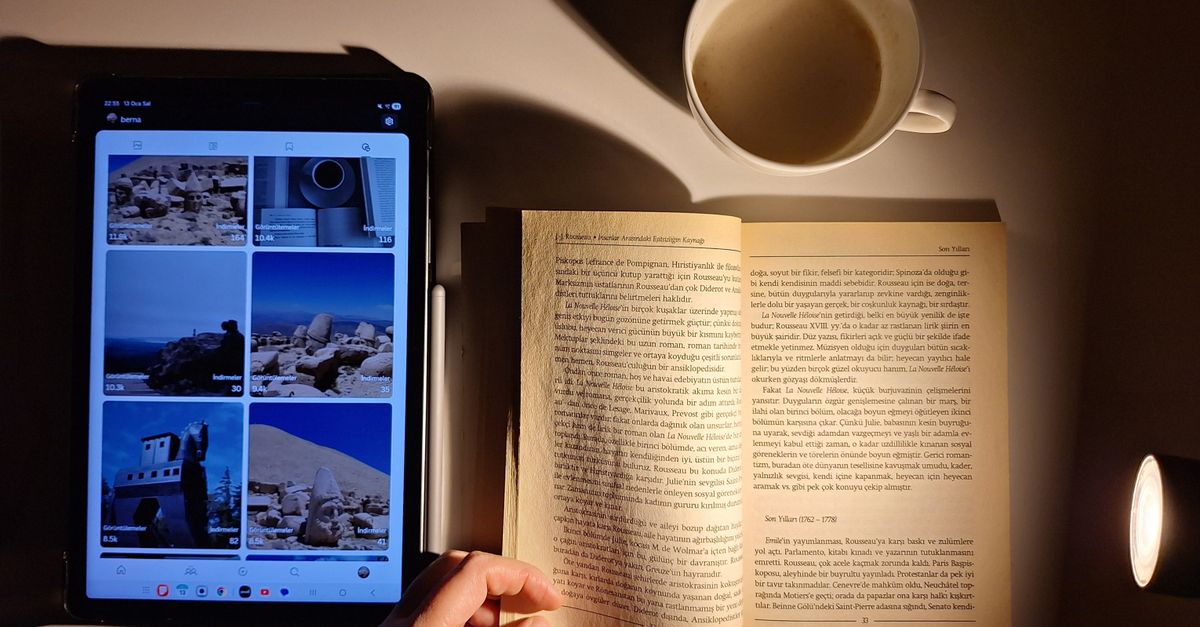
- Reading physical books — Not audiobooks, not e-readers. Paper. The tactile kind. BookTok might be huge, but the anti-social-media crowd is quietly rebuilding the library habit.
- Learning one useless skill — Bread baking. Chess. Lock-picking (seriously, two people). The point isn't productivity—it's the joy of being bad at something without an audience.
- Actual phone calls — Not voice notes. Not texts. Calls. The kind where you hear someone's kitchen in the background.
- Boredom on purpose — This one shocked me. People are scheduling nothing. Deliberately. And finding that their best ideas show up around minute twelve of staring at a ceiling.
- Walking without podcasts — Just walking. With your own thoughts. Apparently it's terrifying at first and then transformative.
The Hidden Cost We Were All Paying
Let's be honest about something uncomfortable. Social media companies aren't evil villains twirling mustaches. They built genuinely clever products. The problem is they got too good at their job.
Every scroll was a tiny slot machine pull. Every notification a small dopamine hit. We weren't lazy—we were playing against an algorithm designed by thousands of brilliant engineers whose entire job was to keep us there.
You can't out-willpower that. Nobody can. That's why deleting the app works better than "using it less." You can't moderate a casino by promising yourself you'll only play one hand.
Here's what I've come to believe: the mass deletion isn't a trend. It's a correction. We spent fifteen years in an unregulated social experiment, and now we're collectively deciding the experiment failed. Not because connection is bad—but because this version of connection was never really connecting us.
The Messy, Imperfect Middle Path
I'm not going to pretend everyone's going full monk mode. Most people I talked to aren't anti-social-media absolutists. They're something messier: intentional users.
They keep one app. They check it once a day, standing up, with a timer. They follow twenty people instead of two thousand. They post once a month instead of once an hour.
And you know what? They're not smug about it. They're just... calmer. Their shoulders sit lower. They finish sentences without checking their phone mid-thought.
I tried this myself for a month. I won't lie—the first week was brutal. My thumb kept reaching for an app that wasn't there, like a phantom limb. But by week three, something shifted. I started noticing things. The specific quality of afternoon light. The way my friend's voice changes when she's about to tell a good story.
The Question That Changes Everything
So here's where I land, and I'd love to hear where you land too.
The question isn't "Is social media good or bad?" That's a boring question with a boring answer (it's both, obviously). The real question is: what would you do with two extra hours a day?
Not the productive answer. Not the "I'd finally learn Spanish" answer. The honest one. Would you call your mom? Sit on a porch? Write something nobody would ever read?
Because that's what's actually being deleted here. Not apps. Not accounts. A version of ourselves that was always half-elsewhere.
The people leaving aren't running away from something. They're running toward something they can't quite name yet—and honestly, that might be the most hopeful thing I've seen in years.
Maybe you're not ready to delete everything. Fine. Start smaller. Turn off one notification. Leave your phone in another room for an hour tonight. See what shows up in the silence.
You might be surprised who's waiting there.





