Let me tell you something — I never thought I'd be the person with a jar of questionable-looking liquid sitting on my kitchen counter, burping it every morning like it's a needy pet. But here I am, and apparently, so is half the internet.
You've seen it. Your cousin is fermenting hot sauce. Your coworker brings in homemade kombucha that she names like a child. Your Instagram feed is full of people joyfully smashing cabbage into jars while talking about "gut health." It feels like a movement, and honestly? It is.
So what's the deal? Why is everyone suddenly obsessed with letting food rot in a controlled way? And more importantly — should you be doing it too?
Let's break this down, because I've been deep in the fermentation rabbit hole, and I have thoughts.
The Shocking Truth About Why We're All Obsessed
Here's what most people miss: fermentation isn't a trend — it's a return. Our great-grandmothers didn't have refrigerators. They had crocks and salt and patience. What we're seeing now is a collective realization that we traded flavor and nutrition for convenience, and we want it back.
The pandemic didn't start this, but it definitely poured gasoline on the fire. When grocery store shelves went bare and sourdough starters became more valuable than toilet paper, people discovered something essential: you can't panic-buy what you can make yourself.
But the real reason? Three things:
- Gut health mania — probiotics are the new multivitamins
- The "ick" factor turned cool — watching things bubble feels like science class but tastier
- Control — you know exactly what's in that jar (spoiler: it's not 47 ingredients you can't pronounce)

The Secret Most Beginners Miss (And It's Simple)
Let's be honest for a second. When I first tried fermenting, I was terrified. I read horror stories about mold, explosions, and botulism. I thought I needed lab equipment and a degree in microbiology.
Here's the truth: fermentation is actually easier than baking a cake.
The secret? Salt and submersion. That's it. If you keep your vegetables below the brine line, you're 95% of the way there. The other 5% is patience.
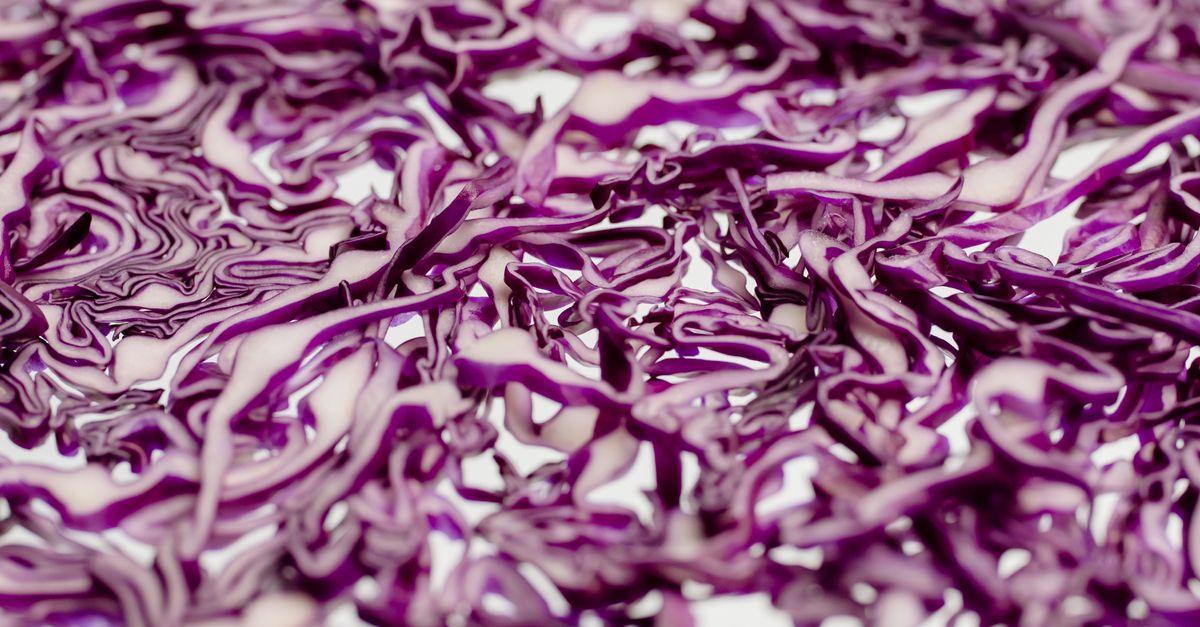
I started with something embarrassingly simple: sauerkraut. Cabbage, salt, a jar, and my own two hands. No fancy weights, no airlock lids, no starter cultures. Just me, a head of cabbage, and the audacity to believe I could keep myself alive.
It worked. On the first try. And it tasted like actual magic — tangy, crunchy, alive.
Here's what I wish someone had told me: fermentation is forgiving. Your kitchen isn't a sterile laboratory. Your hands have bacteria on them. That's literally the point. The good bacteria are tougher than the bad ones. They'll win if you give them half a chance.
The 3 Things You Actually Need to Start Today
Stop overthinking this. If you want to ferment something by dinner time tomorrow, here's your shopping list:
1. A clean glass jar — Mason jar, old pasta sauce jar, doesn't matter. Just wash it.
2. Non-iodized salt — Iodine kills the good bacteria. Look for kosher salt or sea salt. Don't use table salt.
3. Something to ferment — Cabbage is the cheat code. Carrots work. Cucumbers if you want pickles. Even garlic cloves.
That's it. No starter kit. No special equipment. No fermentation crock that costs more than a nice dinner.
The process is laughably simple:
- Chop your vegetable
- Salt it (about 2% of the vegetable weight)
- Massage it until water comes out
- Pack it tight in a jar, submerged in its own liquid
- Wait 3-7 days, tasting daily
The Kombucha Trap (And Why You Should Avoid It First)
I need to be real with you. Everyone wants to start with kombucha because it's trendy and photogenic. Don't do it.
Kombucha requires a SCOBY (that weird jellyfish thing), sweet tea, specific temperatures, and patience measured in weeks, not days. It's like learning to drive in a Formula 1 car.
Start with vegetables. They're forgiving, they're fast, and they're impossible to mess up badly. You can literally forget about a jar of sauerkraut for two weeks and it'll be fine. Try that with kombucha and you'll have vinegar that looks like a science experiment gone wrong.
Here's my recommended progression:
- Week 1: Sauerkraut (cabbage, salt, done)
- Week 2: Quick pickles (cucumbers, dill, garlic, brine)
- Week 3: Hot sauce (peppers, garlic, salt, wait 2 weeks, blend)
- Month 2: Kombucha or sourdough (you've earned it)
Why Your Ferments Taste Better Than Anything Store-Bought
Here's what nobody tells you: store-bought fermented foods are pasteurized. That means they've been heated to kill the bacteria — including the good ones. You're paying for dead food.
Homemade ferments are alive. They're fizzing, bubbling, changing every day. That's not just cool — it's nutritionally different. Live ferments contain trillions of probiotics that die in the pasteurization process.
The flavor difference is even more dramatic. Commercial sauerkraut tastes like salty cabbage mush. Homemade tastes like a party in your mouth — bright, complex, with a finish that makes you want another forkful.
I've found that the best way to convince someone to start fermenting is to hand them a fork. Taste wins every argument.
The Hidden Benefit Nobody Talks About
We talk about gut health and flavor, but there's something else. Fermentation teaches you patience in a world designed for instant gratification.
You can't speed up a ferment. You can't order it on Amazon Prime. You have to wait. And in that waiting, something shifts. You check on your jars like they're houseplants. You notice the tiny bubbles forming. You taste the progress day by day.
There's a quiet satisfaction in knowing that you created something alive and delicious with nothing but salt and time. It's meditative. It's grounding. And in our hyper-fast world, it's surprisingly revolutionary.
Your First Ferment: A 5-Minute Action Plan
I'm going to make this stupidly simple. Here's what you do right now:
- Walk to your kitchen
- Find a head of cabbage (or a carrot, or a cucumber)
- Slice it thin
- Sprinkle with salt (about 1 teaspoon per pound of vegetable)
- Squeeze it in your hands until water pools
- Stuff it in a jar, pressing down until liquid covers the vegetables
- Put a lid on loosely (gas needs to escape)
- Set it on your counter and forget about it for 3 days

The Bottom Line (Without Saying "In Conclusion")
Look, I'm not saying fermentation will change your life. But I am saying it changed mine — my digestion is better, my cooking is more interesting, and I have a weird collection of bubbling jars that make me feel like a kitchen wizard.
The real secret? Fermentation is just controlled patience. And in a world that's constantly screaming for your attention, there's something profoundly satisfying about a process that simply asks you to wait.
So go ahead. Grab that cabbage. Salt it. Wait. Taste. Repeat.
You might just discover that the best things in life are the ones that take time — and the ones you make with your own hands.