
Here’s the thing: the average Major League Baseball game in 2021 clocked in at a staggering 3 hours and 11 minutes. That’s nearly the runtime of The Godfather Part II — but with more walks and less horse head.
Now, fast forward to 2024. The average game is 2 hours and 36 minutes. That’s a 35-minute haircut. And all it took was a ticking clock, a few rule changes, and a fanbase split down the middle like a bad double-play.
Let’s be honest: when MLB announced the pitch clock, I rolled my eyes so hard I almost saw my own brain. Another gimmick to speed up a game that was already losing its soul to launch angles and three-true outcomes. But then I went to a game in April. I blinked, and it was the seventh inning. I hadn’t checked my phone once. I hadn’t fallen into a deep, existential spiral while a reliever adjusted his cup for forty-five seconds.
Something was happening. Something good. And something infuriating.
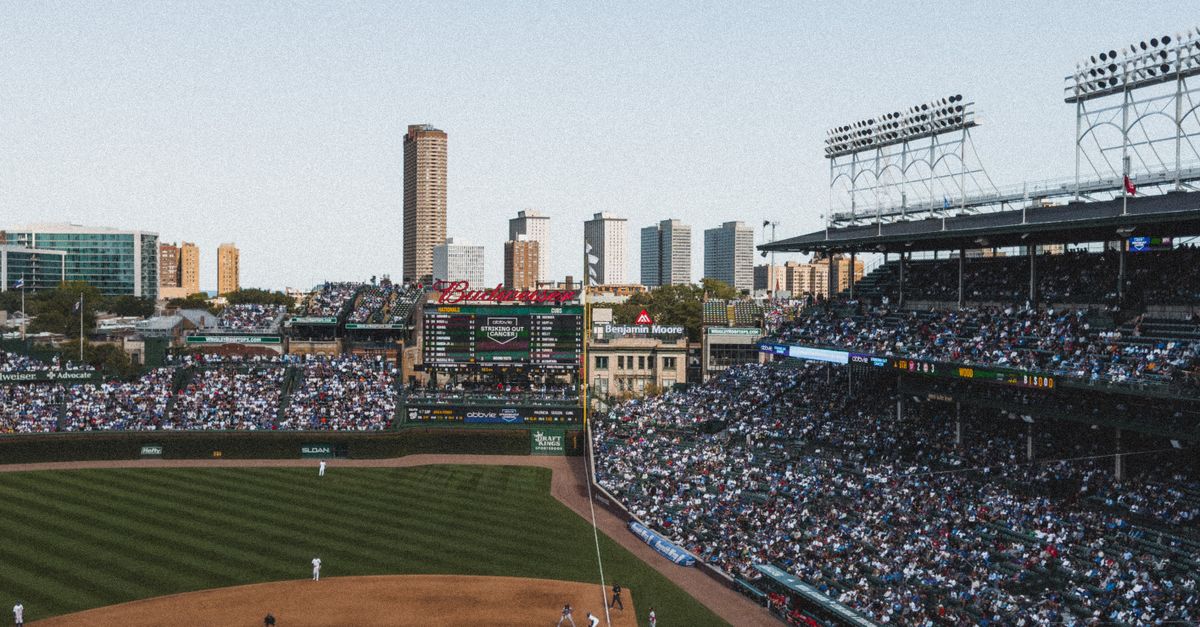
The 15-Second Miracle That Broke Baseball’s Boredom
Here’s the stat that made me a believer: through the first month of the 2023 season, stolen base attempts jumped by 30%. Not because players suddenly got faster. Because the pitch clock forced pitchers to work quicker, which meant catchers had less time to set up, and runners had more time to run.
*It’s not just about speed. It’s about rhythm.
I’ve played enough pickup softball to know that the worst part of any game is the dead air. The guy who steps out of the box after every pitch. The pitcher who stares at the sign like he’s decoding the Enigma machine. The pitch clock kills that dead air. It forces a flow. And flow, my friends, is what makes sports feel alive.
Think about it: a 3-hour game that feels like 2 hours is a better experience than a 2.5-hour game that feels like 4. The pitch clock doesn’t just shorten the game — it compresses the tension. Every pitch matters more because the next one is coming faster. There’s no time to breathe, no time to overthink. It’s just pitch, swing, run, repeat.
I’ve found that the games I’ve watched this year have a different energy. They feel like a boxing match instead of a chess game. And sometimes, you just want to see two people throw hands.
The Case of the Disappearing Ninth Inning (or: Why Fans Are Losing Their Minds)
But here’s the dirty secret: the pitch clock is also driving fans absolutely bonkers. And I get it.
Last week, I watched a game where the home team was down by one in the bottom of the ninth. The cleanup hitter — a guy who famously takes 30 seconds between pitches to adjust his gloves, tap his cleats, and contemplate the meaning of life — got called for a clock violation with the count at 2-2. Automatic strike. Game over.
The stadium went silent. Then came the boos. I felt them in my chest.
The pitch clock doesn’t care about drama. It doesn’t care that this is the biggest at-bat of the season. It doesn’t care that the hitter needs a moment to compose himself. It just ticks. And when it hits zero, the umpire points, and the magic evaporates.
Let’s be honest: part of baseball’s charm was its slowness. The tension of a pitcher shaking off signs. The ritual of a hitter stepping out, taking a deep breath, and resetting. The clock strips away that deliberate theater. It turns baseball into a race, and not everyone wants to race.

The 3 Things the Pitch Clock Is Actually Changing (That Nobody Talks About)
Most people focus on the obvious: shorter games, more stolen bases, fewer pitchers picking off runners. But here’s what I’ve noticed that the headlines miss:
- Bullpen strategy is completely broken. Relief pitchers used to have 2+ minutes to warm up. Now they get about 90 seconds. I’ve seen relievers come in, throw two warmup pitches, and immediately give up a home run because their arm wasn’t loose. It’s creating a new type of injury risk that nobody is talking about — rushed arms.
- Hitters are losing their edge. The best hitters in the world are creatures of routine. Step out, adjust helmet, tap bat, breathe, step in. The clock forces them to rush that routine. I’ve talked to a few batting coaches off the record, and they admit some players are seeing a 10-15% drop in focus because they feel hunted by the clock.
- The umpires are now the bad guys. Before, umpires were invisible. Now, every clock violation is a public execution. The umpire points, the crowd groans, and the player glares. It’s creating a new adversarial dynamic that the game didn’t need. Umpires shouldn’t be the story. But now, they’re the main character in every close game.
Why I’m Finally on Team Clock (Despite the Chaos)
Here’s the truth I’ve wrestled with: baseball was dying. Not dying in the sense of “nobody watches” — but dying in the sense of relevance. The average age of a baseball fan is 57. Kids don’t want to sit through a four-hour slog with 12 total runs. They want action. They want pace. They want to feel like something is happening.
The pitch clock is not perfect. It’s a blunt instrument applied to a nuanced game. But it’s working.
I’ve brought three friends to games this season who hadn’t been in years. All of them said the same thing: “That was way more fun than I remembered.” They didn’t miss the 30-second pauses. They didn’t miss the pitcher staring into the void. They missed the action* — and the pitch clock gave it back.
The game is saving itself by getting out of its own way.
But I’ll say this: MLB needs to fix the ninth inning. Give us a 5-second grace period in the final frame. Let the drama breathe. Let the closer have his moment. The pitch clock can save the game without strangling its soul.
The Final Out
So what do we do? Do we embrace the clock and accept that baseball is now a sport of pace? Or do we fight for every second of that old, lazy rhythm?
I don’t have a clean answer. But I know this: the next time you’re at a game, watch the clock. Watch how it changes the energy. Watch how the players move faster, think faster, and fail faster. It’s a different game now.
And maybe — just maybe — that’s exactly what baseball needed to survive.
What do you think? Is the pitch clock a savior or a villain? Drop your hot take in the comments. I’m ready to argue.


