I was at a house party last month, and a friend shouted, “Turn this up!” as a new track dropped. It was a banger, for sure. But as I listened, something felt… familiar. Not in a “I’ve heard this song before” way, but in a “I’ve heard this guitar riff before” way.
It hit me. The track was sampling the Isley Brothers’ “Between the Sheets.” The same song Biggie used on “Big Poppa” back in 1994. And here it was, freshly chopped and screwed into a 2024 pop anthem.
I looked around the room. The Gen Z kids were vibing. The Millennials were bobbing their heads. And me? I was having a full-blown nostalgia overload. It’s not a coincidence that this keeps happening. 90s hip-hop samples are the secret sauce in today’s biggest pop hits, and I’m here to break down why this trend is more clever than it is lazy.
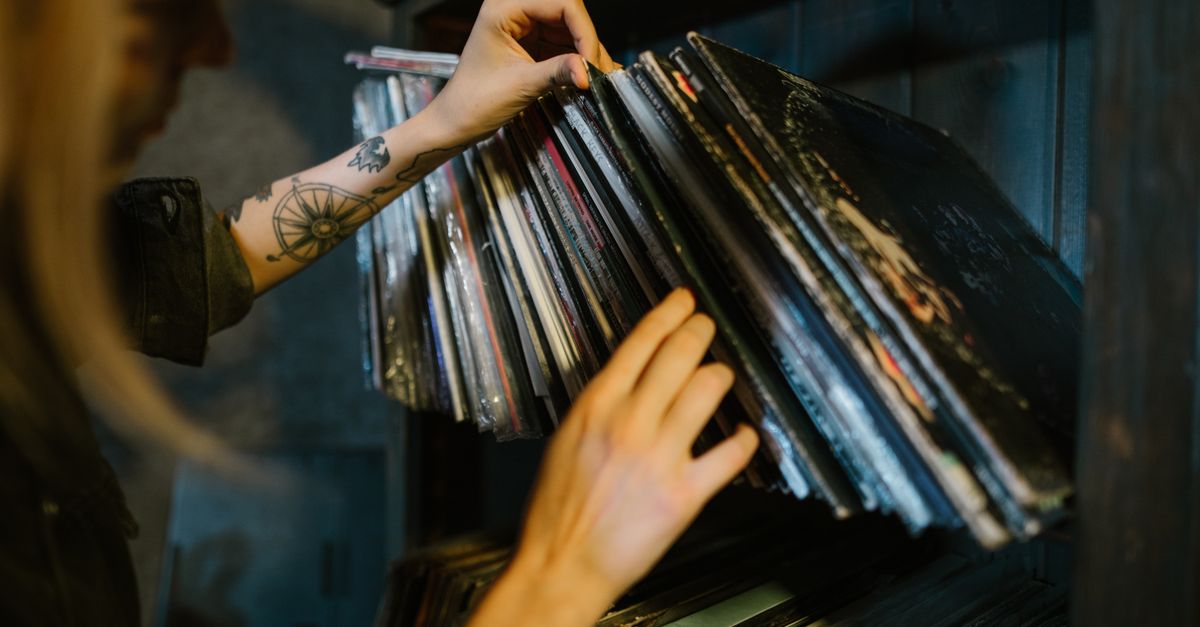
Let’s dig into the crates.
The Nostalgia Economy Is Booming
Let’s be honest: the music industry loves a sure thing. In a world where TikTok trends flip every 48 hours, labels are terrified of releasing something that flops. So, what’s the safest bet? Re-selling the emotions we already know we love.
We’re living in a nostalgia economy. We reboot movies, we bring back 90s fashion (yes, the baggy jeans are back), and we are absolutely rinsing the 90s and early 2000s for musical gold. But here’s the twist: it’s not just the older crowd buying these records. The kids want it too.
I’ve found that Gen Z is obsessed with the aesthetic of the 90s. They weren’t there for the era, but they love the vibe. Sampling a 90s hip-hop beat gives a pop song an instant "street cred" and a warmth that purely digital synth-pop sometimes lacks. It’s a bridge between the vinyl era and the streaming era.
Why 90s Hip-Hop Specifically? The "Hard" vs. "Soft" Formula
Pop music is generally "soft" — it’s about melodies, hooks, and catchy choruses. Hip-hop is often "hard" — it’s about rhythm, bass, and grit. When you combine a gritty 90s hip-hop sample with a glossy pop vocal, you get a texture that is irresistible.
Think about it. When a pop star drops a track over a Dr. Dre-style G-funk synth or a RZA-esque dusty drum break, it immediately changes the energy. It’s no longer just a pop song; it’s a statement.
Here is what most people miss: 90s hip-hop samples are the perfect "gravity" for pop songs. They anchor the track in reality. The booming 808s and the raw loops give the airy pop vocals something to push against. It’s the musical equivalent of wearing a leather jacket over a floral dress—it just works.
The "Big Poppa" Effect: The Most Sampled Guinea Pig
I have a theory I call the "Big Poppa Effect." For years, producers have been digging through the same crates that 90s legends used, specifically looking for what made those beats sound so iconic.
When you sample the exact break or bassline that Biggie, Tupac, or A Tribe Called Quest used, you are tapping into a frequency that is already associated with "coolness" in the listener's brain. It’s a subconscious shortcut to success.
We are seeing this with the massive hits right now:
- The Isley Brothers loop (used by Biggie) is the go-to for smooth, R&B-flavored pop.
- The "Mambo No. 5" style horns are being replayed for uptempo dance pop.
- The vocal chops from 90s rap acapellas are being pitched up to create new hooks.
The Legal Shift: Clearing Samples is Easier Than Ever
There is a practical, business-side reason for this explosion that nobody talks about. In the 90s, if you sampled something, you were taking a massive legal risk. Lawsuits were rampant, and labels often refused to clear samples because it ate into the profit margin.
Today, the landscape is totally different. The big publishers have realized that licensing samples is a revenue stream, not a liability. They’ve streamlined the process.
Here is the reality: it is now easier (and sometimes cheaper) to clear a sample from a 90s hip-hop track than it is to pay a top-tier songwriter to write a fresh chord progression. Plus, when you clear a sample, you often have to give the original artist a writing credit. Guess what? That means the original 90s artist is now promoting your song to their fanbase.
Ain’t that a beautiful thing?
The "Dark" Side: Are We Out of Ideas?
Let’s play devil’s advocate for a second. Is this trend lazy? Are we running out of musical ideas?
I hear this argument a lot. Critics say that relying on 90s samples is just a cash grab. They claim that today's producers are "button pushers" who can't play instruments, so they just steal old records.
I disagree, but I understand the frustration. There is a thin line between homage and theft.
- The Good: When a producer deconstructs a sample, chops it up, and creates something entirely new, it’s art. It’s taking a diamond and cutting it into a new shape.
- The Bad: When a producer just loops a 4-bar section and puts a kick drum on top, that’s lazy. We all know it when we hear it.
It’s a "Get Out of Jail Free" Card for Hooks
Writing a catchy top-line melody is hard. It takes time, trial, and error. Sometimes, you just can't find the right hook. This is where the sample becomes the savior.
Here is a secret from the producer's corner: A classic 90s hip-hop sample is a "get out of jail free" card for the hook. The melody is already proven to be catchy. It already has a "sing-along" quality built into the DNA.
Why spend three weeks in a studio trying to write a chorus when you can just grab the riff from a 1995 classic that made the whole club scream? The sample does the heavy lifting. The pop star just has to lay a vocal on top that fits the energy.
This is why you hear it everywhere. It’s not just about love for the old school; it’s about efficiency. In the streaming era, where you need to drop singles every few weeks to stay relevant, that efficiency is gold.
The Verdict: A Bridge, Not a Crutch
So, why are 90s hip-hop samples everywhere in 2024? It’s a perfect storm of nostalgia, legal accessibility, and marketing genius. It’s the bridge that connects the older listeners who miss the "golden era" of rap with the younger listeners who are discovering it for the first time through these pop filters.
I believe the best music right now is the stuff that respects the past while looking forward. When a producer takes a dusty 90s break and throws a futuristic synth over it, that’s the magic. That’s what keeps music moving.
But I want to hear from you. Are you here for the sampling trend, or are you tired of hearing old beats under new voices? Are we looking at a creative renaissance, or just a recycling plant?
Let’s be honest—I think it’s a bit of both. But as long as it makes me bob my head, I’m not complaining.