
Let’s get one thing straight right now: Ghana’s Volta Region is not just a backup plan for when you can’t afford a flight to Zanzibar. It’s not the "quiet cousin" of the tourism circuit, and it sure as hell isn’t a one-stop shop for a waterfall selfie and a plate of fufu before you dip back to Accra.
I’ve traveled to over 20 countries, and I’ve learned that the most underrated places are usually the ones that people talk about the least. The Volta Region is the poster child for that theory. It holds some of the most culturally complex, visually jaw-dropping, and emotionally challenging experiences in West Africa — but most travel guides treat it like a scenic pit stop. That ends today.
Here’s my real talk, no-fluff, Volta Region travel guide. Forget the generic listicles. I’m giving you the inside track — the stuff that made me cancel my return ticket twice.
Why Everyone Gets the Volta Experience Wrong
Let’s address the elephant in the room. Most travel bloggers will tell you to "spend a day at Wli Falls, visit the Tafi Atome Monkey Sanctuary, and call it a trip." That’s like going to a five-star restaurant and only eating the bread basket.
Here’s what most people miss: The Volta Region is a living museum of resistance, trade, and identity. It’s not just a landscape; it’s a narrative.
I’ve found that the best way to experience Volta is to ditch the rigid itinerary. The most memorable moments happen when you let the place interrupt your plans. One afternoon, I was supposed to head to the falls, but my trotro driver decided to take a detour to a village naming ceremony. I ended up staying for three hours, eating groundnut soup with my hands, and learning more about Ewe cosmology than any guidebook could teach me.
The real secret? The region is split into two distinct personalities. The coastal belt (Keta, Ada Foah) is about salt, sea, and fort history. The highland interior (Hohoe, Akwapim Ridge) is about rain forests, sacred groves, and mountain hikes. Most tourists try to do both in 48 hours and end up exhausted and disappointed. Pick one lane.
The 3 Things You Absolutely Cannot Fake in the Volta Region
Look, I’m not saying you need to be Bear Grylls to handle this place. But there are three non-negotiable truths you need to accept before you even pack your bag.
- The roads are honest. And by honest, I mean they will test your patience, your bladder, and your suspension. The last 10 kilometers to some of the best spots are unpaved. You will bounce. You will sweat. And you will be rewarded with silence that feels like a physical weight lifting off your shoulders.
- The "tourist infrastructure" is not a thing. Here’s a controversial opinion: that’s a feature, not a bug. There are no chain hotels with standardized breakfast buffets. You’ll sleep in eco-lodges run by local families, eat what the market has that day, and navigate by asking three different people who will give you three different answers. Embrace the chaos. It’s how you find the hidden stuff.
- The spiritual landscape is real. Don’t treat the shrines, sacred groves, and traditional ceremonies like a photo op. The Volta region is deeply rooted in Vodun (Voodoo) and ancestral worship. I’ve seen tourists giggle during a libation ceremony. Don’t be that person. Respect the ritual, or skip it entirely.
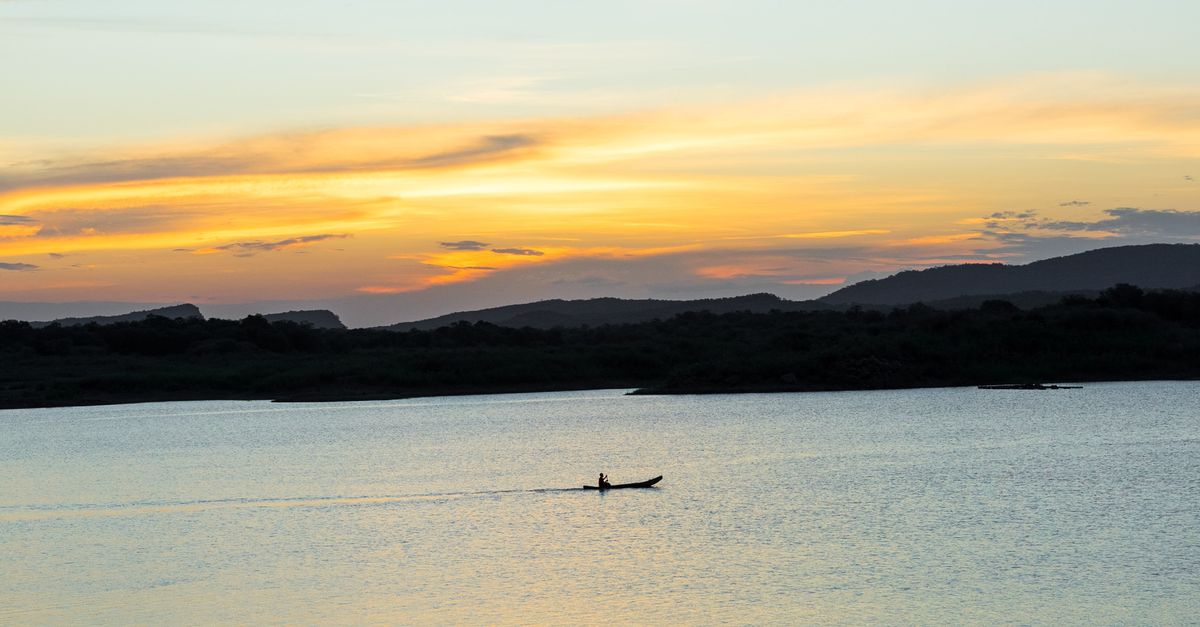
The Hidden Gem That Will Make You Rethink Everything
I’m going to tell you about a place that isn’t in the top 10 on TripAdvisor. It’s called Tafi Abuife — a village on the side of a hill that feels like it’s holding onto the edge of the world.
Most people go to Tafi Atome to see the mona monkeys. Fine. But if you push another 45 minutes into the bush, you’ll find Tafi Abuife. Here, the community runs a small, barely-marketed canopy walkway that rivals Kakum, except there are no crowds, no souvenir hawkers, and no safety briefings that sound like a legal disclaimer. You walk across rope bridges that sway over a valley that looks like it was painted by a deity with a green obsession.
Here’s the kicker: The guide who took me up there was a 72-year-old man named Kofi who had never left the village. He spoke no English, but he pointed out every medicinal plant by name, told me the history of every hill in sight, and made me a cup of the most bitter, life-changing herbal tea I’ve ever had. He didn’t charge me. He just wanted to share his home.
That’s the Volta Region in a nutshell. You can’t buy that experience. You can’t book it online. You just have to show up, be curious, and be willing to get a little lost.
Why Wli Falls is Overrated (And What to Do Instead)
Let’s be honest: Wli Falls is beautiful, but it’s also a circus. On a busy weekend, you’ll share the trail with 50 other people, hear pop music from someone’s Bluetooth speaker, and deal with a queue to stand under the main cascade. It’s the Volta equivalent of a tourist trap.
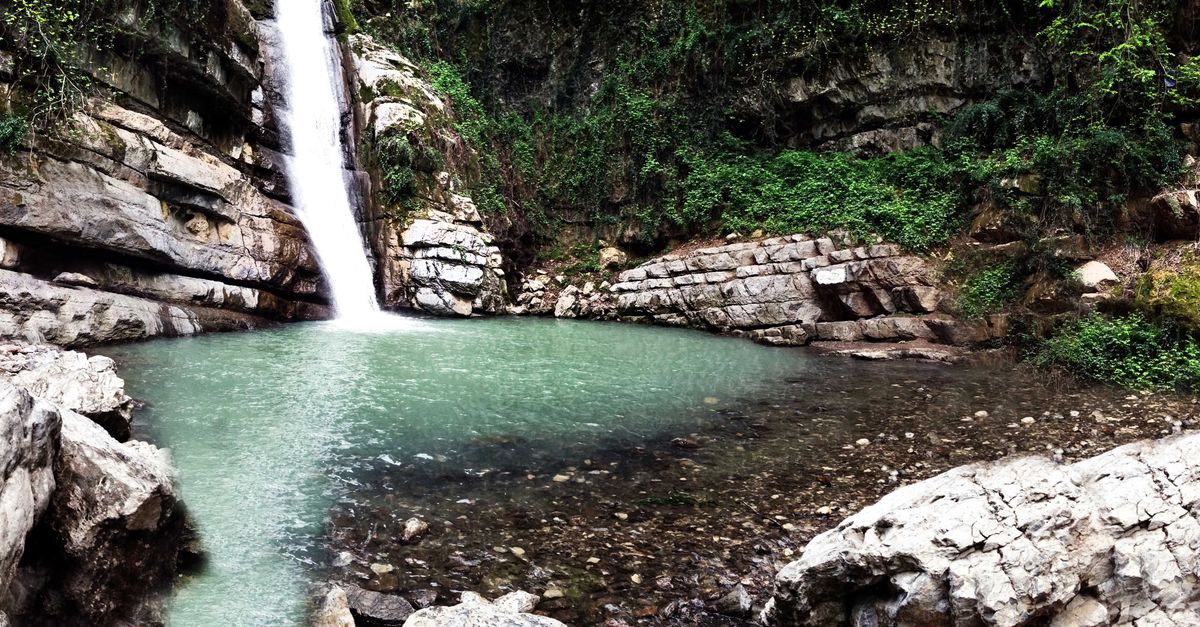
Now, don’t get me wrong. It’s worth seeing once. But if you want the real waterfall experience, here’s my alternative: Tagbo Falls. It’s less than 20 kilometers away, requires a short but steep hike through a cocoa farm, and when you get there, you’ll likely have the entire place to yourself. The pool at the bottom is deep enough to swim in. The sound of the water hitting the rocks is the only soundtrack you’ll need.
Pro tip: Hire a guide from the village at the base of the trail. It costs about 30 cedis ($2.50 USD). They’ll show you the secret swimming holes and keep you from stepping on a slippery rock that could send you tumbling. I know because I almost did.
The Food That Will Ruin Other Breakfasts for You
I’m a food guy. I’ll admit it. And the Volta Region has a breakfast that will make you question everything you know about morning meals.
It’s called Akple with Aborbi — a stiff cornmeal dumpling served with a pepper and herring sauce that is spicy enough to wake up your ancestors. You don’t eat it with a fork. You use your right hand, scoop a piece of the akple, dip it in the sauce, and chase it with a sip of freshly squeezed sugarcane juice.
Here’s the secret: The best version of this isn’t in a restaurant. It’s at a roadside stall in Hohoe market around 7 AM. The woman who makes it has been doing it for 30 years. She will look at you like you’re crazy for ordering it, then smile when you ask for a second serving. I ate it every morning for a week. I’ve never felt more alive.
Also, don’t leave without trying sobolo (hibiscus tea) from a woman selling it from a plastic bucket. It’s tart, sweet, and deeply refreshing. It’s also about 1 cedi a cup. You’ll never look at bottled juice the same way again.
How to Actually Travel Like a Local (Without Being Annoying)
I’ve seen too many tourists treat the Volta Region like a backdrop for their Instagram grid. Here’s the hard truth: You don't belong there. You're a guest. Act like one.
- Use the trotro system. Yes, it’s cramped. Yes, it’s hot. But it’s also the fastest way to meet people, hear stories, and understand the rhythm of daily life. I learned more about Ghanaian politics in one trotro ride from Ho to Kpetoe than I did in a week of reading.
- Learn five words of Ewe. Not Twi. Ewe. "Yoo" (okay), "Akpe" (thank you), and "Miawoe zɔ" (how are you?). The look on someone’s face when you greet them in their language is worth the effort.
- Dress respectfully. The Volta Region is more conservative than Accra. Shoulders and knees covered, especially in villages. You’re not at the beach.
- Buy from the market, not the hotel. The hotel will mark up souvenirs by 400%. Go to the local craft market in Keta or Dzodze for authentic kente strips, beads, and pottery. Haggle, but don’t be a jerk. The price you’re paying is likely still a fraction of what you’d pay in the West.
The Final Truth: You’re Not Ready for This Place
Let me leave you with this. The Volta Region is not a vacation. It’s a recalibration. It will challenge your comfort zone, test your patience with logistics, and then reward you with moments of pure, unfiltered beauty that you cannot capture on a phone.
I’ve found that people who "don't get" the Volta Region are usually the ones who tried to control it. They wanted a predictable itinerary, air-conditioned transfers, and a sanitized version of Ghanaian culture. That doesn’t exist here.
If you go with an open schedule, an empty stomach, and a willingness to be surprised, you’ll leave with a piece of this place stuck to your soul. I still dream about that herbal tea from Kofi. I still crave the akple from the Hohome market. And I still get a little annoyed when someone tells me they "did the Volta Region in a weekend."
No, you didn’t. You just visited.
So here’s my challenge to you: Go to the Volta Region, but go slow. Stay in one village for three days. Learn someone’s name. Eat the street food. Get lost. And then tell me I was wrong.
I dare you.





