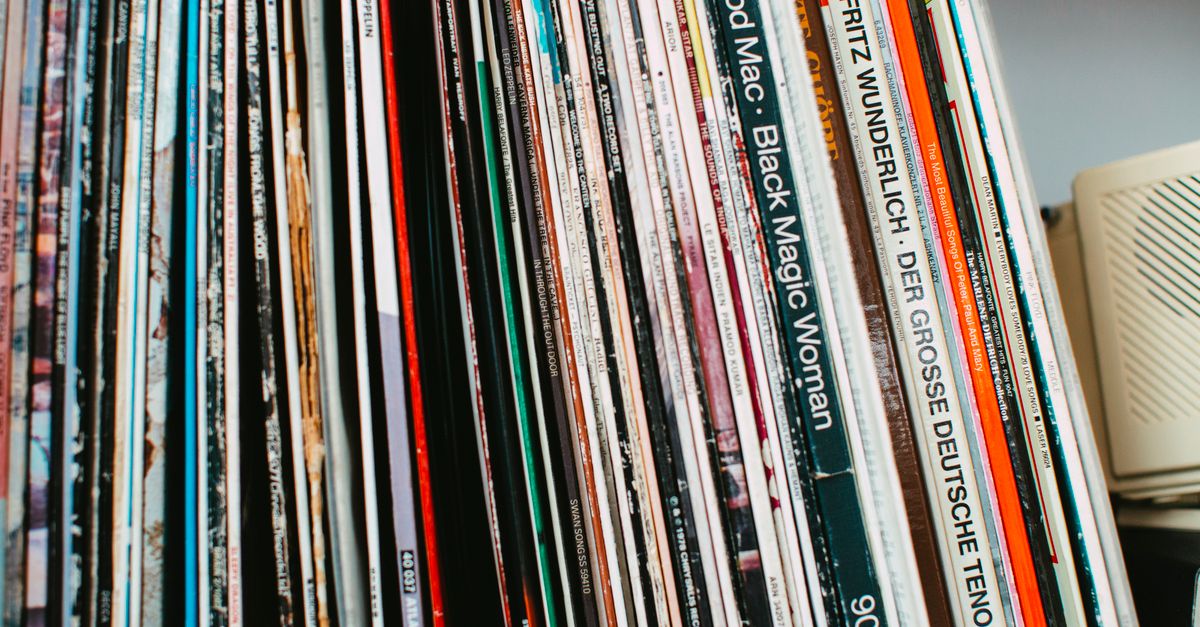
Picture this: a Saturday afternoon. You’re not doomscrolling. You’re not watching a fifth consecutive episode of something. You’re in a cramped, slightly dusty room, flipping through cardboard crates. Your fingers brush against worn spines and glossy new sleeves. There’s a faint smell of aged paper and, let’s be honest, a hint of patchouli. You pull out a record—maybe a classic Bowie press, maybe a brand-new Olivia Rodrigo splatter vinyl. You examine the 12-inch canvas of art, feel its weight, and for a second, you’re holding a piece of music, not just accessing it.
This isn’t a scene from a 1970s nostalgia film. This is happening right now, in your city, fueled by a generation that supposedly lives in the cloud. I was in my local record shop last week and the place was buzzing with teenagers and twenty-somethings. They weren’t just tourists. They were digging, discussing, and buying. So what gives? Why is Gen Z, the digital-native, Spotify-streaming cohort, single-handedly fueling Vinyl Revival 2.0?
It’s Not (Just) About the Sound, It’s About the Substance
Let’s be honest, the “warmer sound” argument only goes so far. Most kids listening on a Crosley suitcase player aren’t audiophiles dissecting pressing quality. Here’s what most people miss: in a world of infinite, weightless content, physical media becomes an antidote to digital overload. Streaming is a buffet—you can taste everything, but you’re never truly full. Buying a record is a commitment. It’s a ritual. You choose one thing, you pay for it, you take it home, you place it on a platter, and you listen. Not as background noise, but as an activity.
For Gen Z, a generation acutely aware of digital fatigue and the emptiness of “ownership” in the streaming economy, a vinyl record is tangible proof of fandom. It’s a receipt for your taste. It says, “I love this artist enough to spend $30 on a physical object that demands my attention.” It’s the difference between having a Netflix list and proudly displaying a beloved book on your shelf.
The Album as an Artifact in an Era of Singles
We’re living in the age of the single. Algorithms push tracks, not collections. But vinyl is the native format of the album. The ritual of the side A and side B forces a narrative, a journey that an endless shuffle of similar songs can’t replicate. Gen Z artists get this. Taylor Swift’s folklore chapters, Billie Eilish’s meticulously crafted tracklists, Tyler, The Creator’s sonic worlds—they’re made for the album experience.
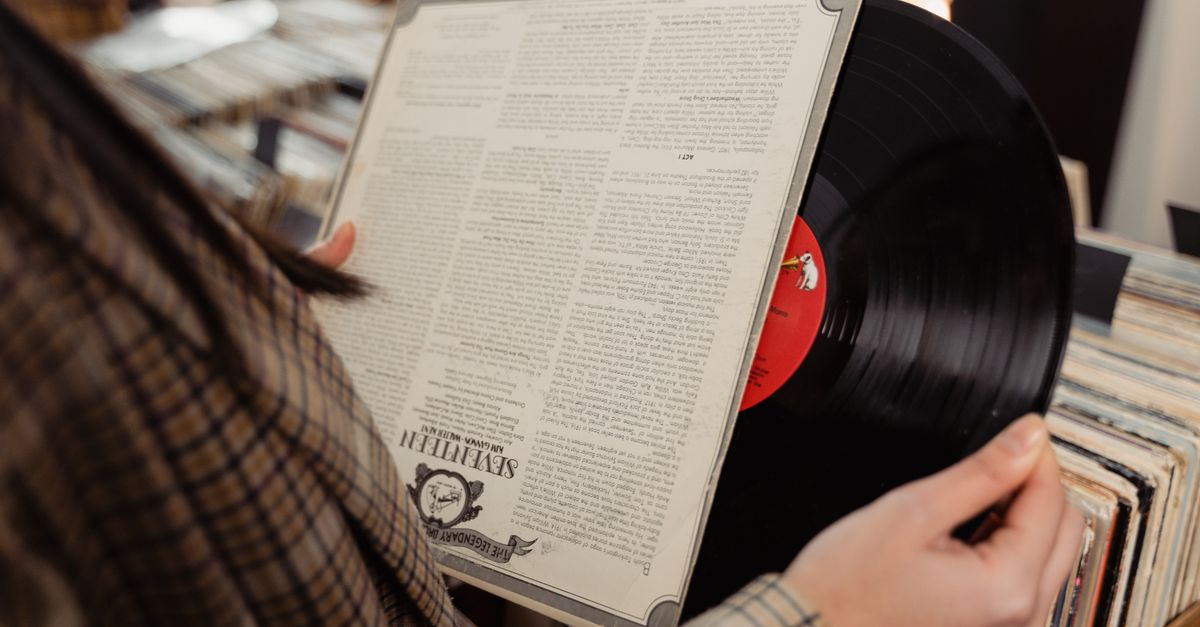
When you buy a modern pop record on vinyl, you’re not just buying songs. You’re buying the gatefold artwork, the lyric sheet you can actually read, the sometimes-included posters and download cards. It’s a multimedia package. It’s an event. In a digital space where art is reduced to a 1500x1500 pixel square on a screen, holding the full-scale version in your hands is a revelation.
The Thrill of the Hunt & The Curation of Self
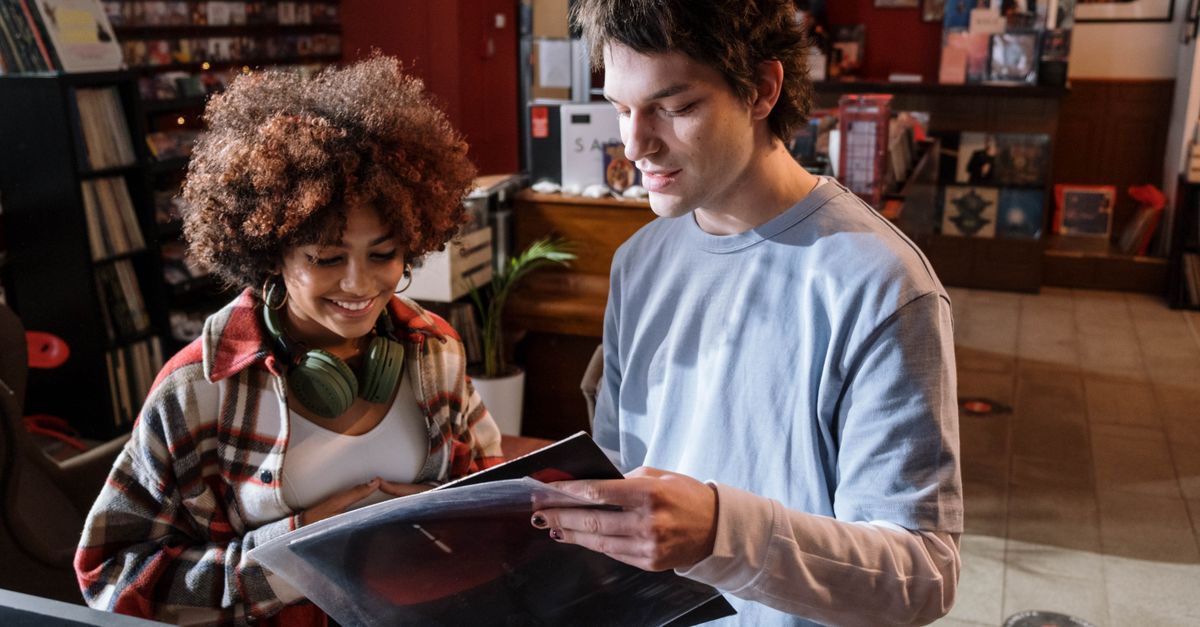
This is a big one. For a generation that can have any song in history in milliseconds, the joy has shifted from access to discovery. Scrolling through a streaming service’s “For You” page feels passive, almost clinical. Digging in a record store crate is an active, tactile adventure. You might go in for the new Lana Del Rey and come out with a 90s neo-soul gem recommended by the cool person behind the counter. That social, human element of discovery is irreplaceable.
Furthermore, your vinyl collection is the ultimate curation of your personality. Your Instagram can be performative, your TikTok a mess of algorithms. But the records on your shelf? They don’t lie. They are a deeply personal museum of your tastes, a physical manifestation of your identity. For Gen Z, crafting a unique identity is currency, and a vinyl collection is a premium form of self-expression.
Community in a Disconnected World
Record stores have become the new community hubs. They’re not just stores; they’re venues for small shows, listening parties for new releases, and places to simply be around other people who care about the same thing. In an increasingly isolated digital landscape, these IRL (In Real Life) spaces offer authentic connection. You can debate, geek out, and find your tribe over a shared love of a specific pressing or a deep-cut album.
This revival isn’t a rejection of technology—it’s a balancing act. It’s about using tech for discovery (hello, #VinylTok) and then stepping away to engage in a deeper, more meaningful way with the art. It’s analog and digital, working in tandem.

So, what’s the real secret behind Vinyl Revival 2.0? It’s that Gen Z, perhaps more than any generation before them, understands the value of intentionality. They are rejecting the passive, endless scroll for the active, focused experience. They are seeking substance in a sea of signals, ownership in a rental economy, and community in a disconnected world.
The record isn’t just spinning; it’s a statement. And it’s a statement that says, “I am here, I am listening, and this matters.”
Maybe it’s time to step away from the screen, walk into that dusty, wonderful shop, and remember what it feels like to truly find your music, not just have it find you.


