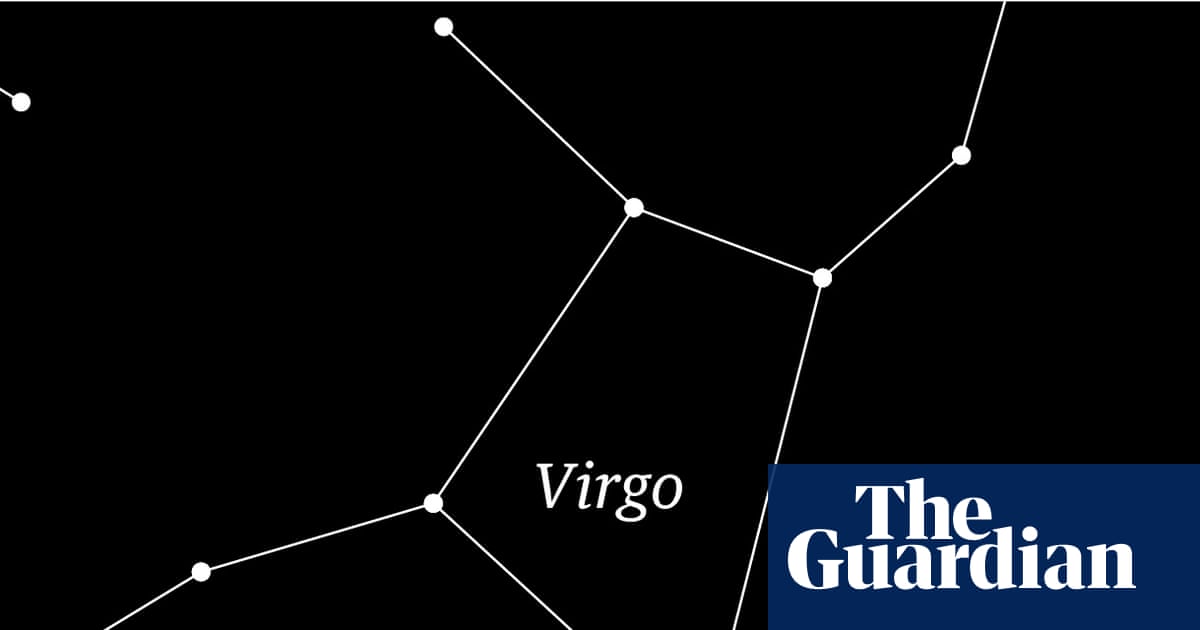
Skywatchers who rise before the sun this week have a three-part spectacle waiting for them, according to The Guardian. Brilliant Venus will appear alongside the waning crescent moon and the star Spica in the morning sky, forming a tight grouping low over the eastern horizon. The Guardian's star chart marks the view from London at 0600 GMT on 7 November, looking east-south-east.
Why it matters
The arrangement brings together the most conspicuous objects available to the unaided eye in that part of the sky. Venus outshines everything else in the frame, which makes it the natural starting point for anyone unfamiliar with the constellations. Spica, the brightest star in Virgo, sits close by, and the moon supplies a thin illuminated curve to complete the scene.
Because the trio gathers near the horizon rather than high overhead, the window for viewing is short and the sightline matters. The Guardian advises finding an unobstructed view towards the east-south-east. At 0600 GMT the sky will still be fairly dark, though the coming sunrise will steadily dim the fainter stars as the minutes pass.
What to look for in the grouping
Venus will be the simplest object to pick out, shining with far greater intensity than its neighbours. Beside it hangs Spica, which The Guardian describes as the brightest star in the constellation of Virgo, the virgin, and places at roughly 250 light years from Earth.
The moon on that morning will be a narrow crescent, two days short of new. According to The Guardian, only 4% of the hemisphere facing Earth will be lit. Observers may also catch a dim sketch of the moon's darkened side, a glow produced by sunlight bouncing off Earth — a phenomenon known as earthshine.
The three bodies will sit low above the horizon as a striking cluster. The Guardian notes that the approaching dawn will gradually wash out the fainter stars, so the earlier part of the morning offers the cleaner view.
A sight shared across hemispheres
The grouping is not limited to northern latitudes. The Guardian reports that it will also be visible from the southern hemisphere, where Venus, the moon and Spica will stand higher in the eastern sky before sunrise. That higher placement may make the trio easier to frame for observers south of the equator, though the same advice applies: a clear eastern horizon is essential.
For those planning to look, the practical requirements are modest. No equipment is needed to see the three objects, and the main obstacle is simply finding a spot with an open view to the east-south-east. The Guardian's chart is drawn for London at 0600 GMT on 7 November, and skywatchers elsewhere should expect the arrangement to shift with their location and time.
Watch for the crescent to thin further as it approaches new, and for Venus to continue its morning apparition in the days that follow.





