Did you know that the average American consumes over 1,500 pounds of food per year, yet most of that food is considered "bland" by professional standards? That's a wild statistic, especially when you consider that our taste buds are wired for five distinct flavors — sweet, sour, salty, bitter, and umami. But here's the kicker: most home cooks only use the first four. Umami, that elusive "savory" fifth taste, is the secret weapon chefs have been hoarding for decades. And I'm not talking about MSG packets (though no shade to them). I'm talking about unexpected ingredients that will turn your scrambled eggs into a Michelin-star experience.
The Secret Weapon Hiding in Your Coffee Cabinet
Let's start with the one that blows people's minds: coffee. Yeah, the stuff you drink to function. I've found that a pinch of finely ground coffee — not the instant crap, but the good stuff — can transform a simple beef stew into something that tastes like it simmered for 12 hours. The bitterness of coffee plays off the natural sweetness of onions and carrots, creating a depth that makes people close their eyes and say, "What is that?"
Here's what most people miss: it's not about the caffeine. It's about the chlorogenic acids and trigonelline compounds that break down during roasting, releasing those savory, almost smoky notes. I keep a small jar of dark roast grounds next to my salt shaker now. Try it on roasted mushrooms. Or better yet, sprinkle a tiny bit on a steak before searing. The crust will be otherworldly.
Just don't tell your guests. Let them wonder.
The Canned Fish That's Restaurant Gold
I know what you're thinking: "Fatima, you're about to tell me to put anchovies in everything, aren't you?" Yes. But hear me out.
Canned anchovies are the unsung heroes of umami. They're not just for Caesar salad or that weird pizza topping your uncle orders. A single anchovy fillet dissolved in a pan of olive oil can elevate a tomato sauce from "meh" to "I need the recipe." But here's the twist: sardines. Specifically, smoked sardines.
I've started mashing a few smoked sardines into my butter before spreading it on crusty bread. The result? A savory, briny, almost meaty flavor that makes plain butter taste like a luxury. Chefs have been using this trick for years — they call it "forcing umami" into dishes. And it works because sardines are packed with glutamates, the amino acid responsible for that savory punch.
Pro tip: Don't tell your picky eaters. They'll devour it and ask for more. Then you can reveal the secret and watch their faces.
The Fruit That's Not Sweet Anymore
Here's something that'll make you rethink your produce aisle: tomatoes. Wait, don't click away. I know tomatoes are basic. But I'm talking about specific tomatoes — the ones that are overripe, sun-dried, or even canned. The kind you'd normally throw away.
See, as tomatoes ripen, their umami content skyrockets. A perfectly red, supermarket tomato? Meh. A wrinkled, sad-looking heirloom tomato that's been sitting on your counter for a week? That's where the magic is. Sun-dried tomatoes are even better — they're essentially umami bombs in dehydrated form. I blend them into a paste and add it to soups, stews, and even salad dressings.
But the real game-changer? Tomato paste. Specifically, the double-concentrated stuff in a tube. A tablespoon of that in a pan with onions and garlic will make your pasta sauce taste like it cooked for hours. It's not cheating — it's science.
The Fermented Ingredient Your Grandmother Knew
Let's talk about miso paste. If you've never had it, you're missing out on one of the most versatile umami sources on the planet. It's fermented soybean paste, and it comes in white, yellow, and red varieties. Each one has a different flavor profile — white is milder, red is punchier.
Here's how I use it: in everything. I whisk a tablespoon of white miso into scrambled eggs. I stir red miso into chocolate desserts (yes, really — the saltiness balances the sweetness). I even add a dollop to my salad dressing instead of anchovies. The fermentation process creates a complex, almost cheesy flavor that makes your brain go, "Wait, what is this?"
But the real secret? Miso caramel. Melt butter, brown sugar, and a spoonful of white miso together. Drizzle it over ice cream or roasted vegetables. You'll never go back to plain caramel.
The Nut That's Actually a Legume
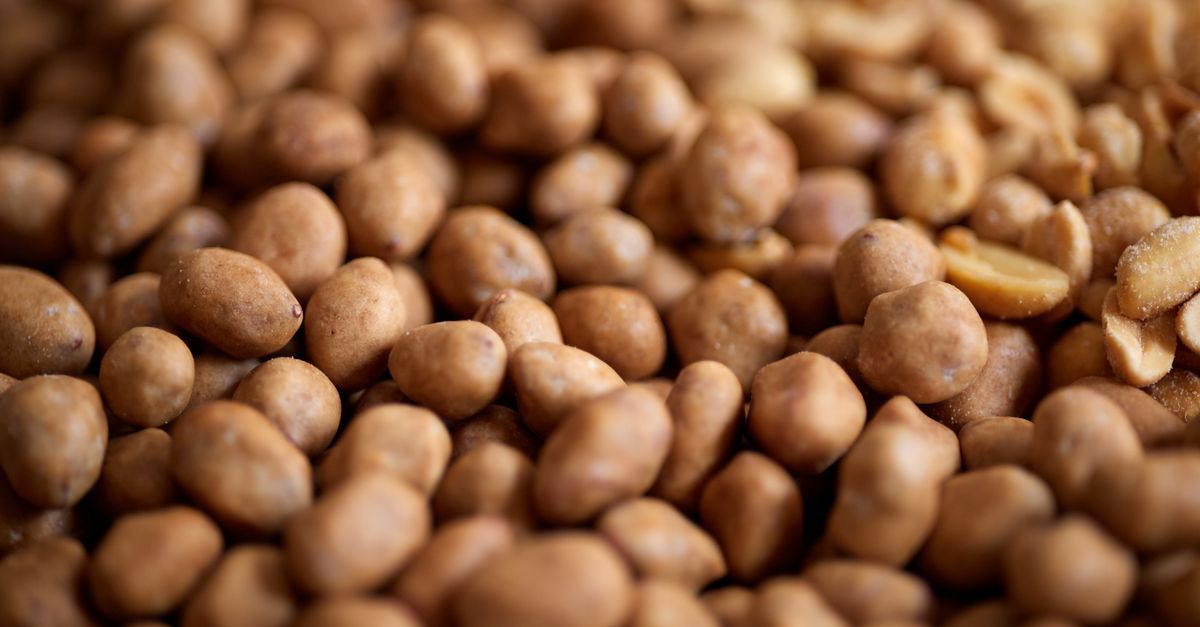
Finally, let's talk about peanuts. Not peanut butter (though that works too). I'm talking about roasted, salted peanuts — the kind you buy in a bag for $2. Here's the thing: peanuts are technically legumes, not nuts, but they're packed with glutamates and nucleotides that create a double whammy of umami.
I crush peanuts and sprinkle them over stir-fries, salads, and even grilled chicken. The crunch is nice, but the flavor? It's like adding a secret savory layer that makes everything taste more "complete." Chefs use peanut powder or peanut butter in sauces for the same reason — it adds body and depth without overwhelming the dish.
But here's my favorite hack: peanut butter and miso. Mix equal parts, add a splash of soy sauce, and you've got a sauce that works on noodles, vegetables, or even as a dip for spring rolls. It's the kind of combo that makes you feel like a genius.
The Takeaway: Umami Is Your Cheat Code
Here's the truth: you don't need expensive ingredients or fancy techniques to create restaurant-quality food at home. Umami is your cheat code. It's the flavor that makes people go "mmm" without knowing why. It's the difference between a good meal and a memorable one.
So next time you're cooking, think about what you can add that's unexpected. A pinch of coffee. A mashed sardine. A spoonful of tomato paste. A dollop of miso. A handful of crushed peanuts. These aren't just ingredients — they're flavor bombs waiting to go off.
And if you're still skeptical, try this: make your usual scrambled eggs. Then, on a second batch, add a tiny bit of white miso and a sprinkle of coffee. Taste both. I guarantee you'll never look at your pantry the same way again.
Now go forth and umami-fy your life. Your taste buds will thank you.