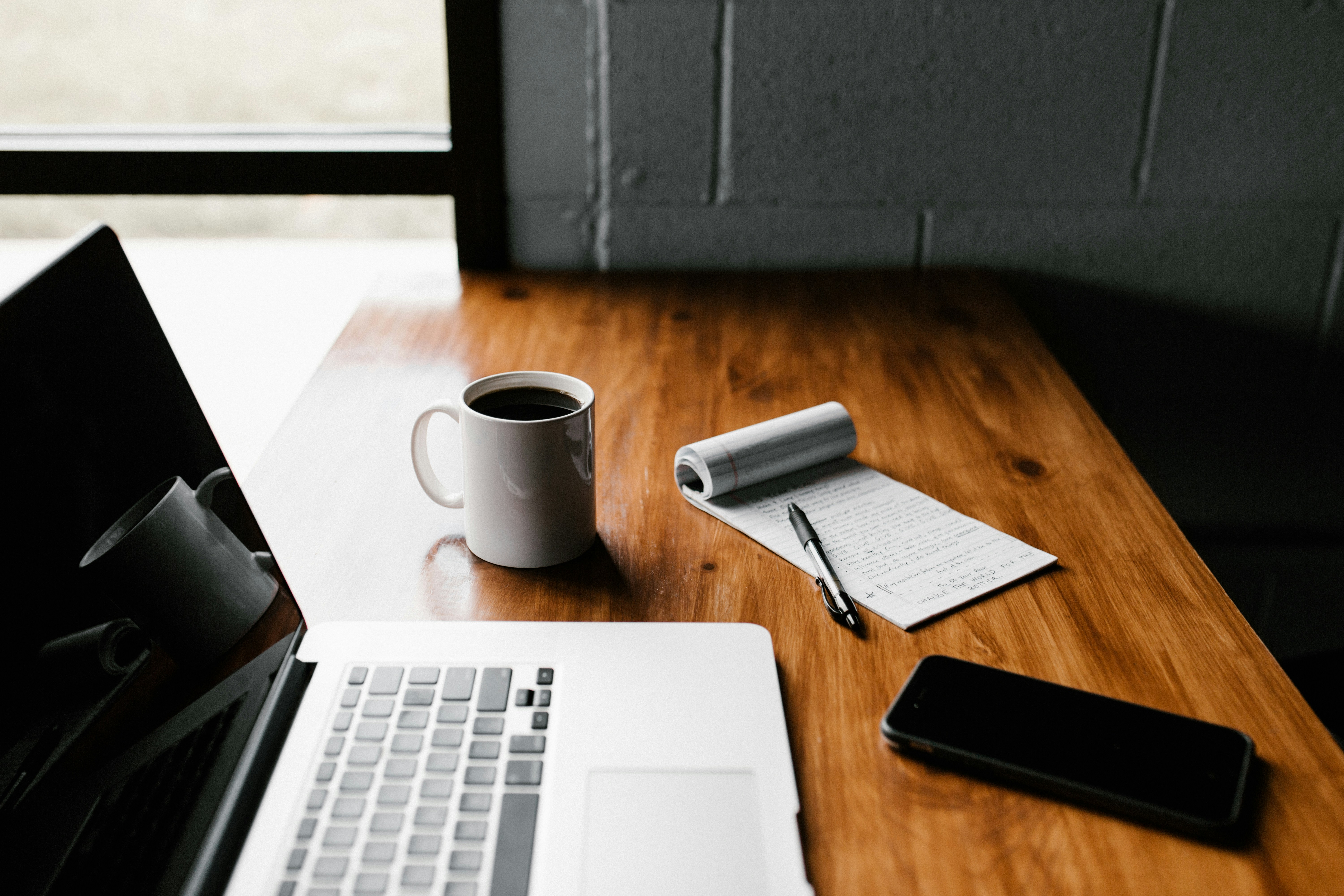
Did you know the average person spends six years and eight months of their life just deciding what to do — not doing it, but deciding? That statistic from a productivity study hit me like a cold brew on a Monday morning. We're out here debating whether to meal prep or order takeout while our actual lives are happening in the background. And that's the thing about "topics" in lifestyle blogging — everyone talks about them, but nobody tells you the raw, messy truth about how to actually live them. So let's cut the fluff. Grab your coffee (or tea, I don't judge), and let's talk about the lifestyle topics that actually matter — the ones nobody's addressing with real honesty.
The Myth of "Having It All" — Why That's a Trap You Need to Escape
You've seen the Instagram feeds: the perfectly folded laundry, the golden-hour selfies, the smoothie bowls that look like edible art. Let's be honest — that's not a lifestyle, that's a highlight reel on steroids. I've found that the biggest lie lifestyle media sells us is that you can optimize every single corner of your existence. You can't. And trying to is how you end up crying over a burnt casserole at 9 PM on a Tuesday.
Here's what most people miss: the secret to a good lifestyle isn't doing more — it's doing less with more intention. I spent years chasing the "perfect morning routine" (wake up at 5 AM, journal, meditate, run five miles, drink celery juice, save a kitten from a tree... okay, I made that last part up). But you know what happened? I burned out. Hard. Now my morning routine is: wake up, don't check my phone for 10 minutes, drink water, and maybe stretch if I'm feeling fancy. That's it. And I'm happier.
The lifestyle topics that actually change your life are the boring ones — sleep, boundaries, saying no without guilt. Not the Pinterest-worthy stuff. If you take one thing from this article, let it be this: stop comparing your behind-the-scenes to everyone else's curated highlight reel. Your lifestyle is yours. It doesn't have to look like a magazine spread.

The Hidden Cost of "Self-Care" Culture — It's Not All Bath Bombs
I'm about to say something controversial: self-care has become a capitalist trap. Don't get me wrong — I love a good face mask as much as the next person. But when we talk about lifestyle topics like self-care, we've turned it into another chore. You're supposed to journal, meditate, exercise, eat clean, do yoga, take supplements, get eight hours of sleep, and oh, also save for retirement. It's exhausting.
Here's the truth that changed everything for me: real self-care is often boring and unglamorous. It's paying your bills on time so you don't get anxiety when the mail comes. It's going to bed early even though you want to binge-watch one more episode. It's saying "I can't take that on right now" to a friend who wants you to help them move on Saturday. It's setting a budget and sticking to it.
The most underrated lifestyle topic? Rest without guilt. We've been conditioned to believe that every moment must be productive. But your body isn't a machine that needs constant optimization. Sometimes self-care is literally just sitting on the couch scrolling TikTok for an hour and not feeling bad about it. I've found that giving myself permission to be unproductive actually makes me more productive later. Go figure.
So next time someone tells you to "practice self-care," ask yourself: is this actually helping me, or am I just buying something to feel better about being overworked? Real rest isn't for sale.
The 3 Things Nobody Tells You About Building Healthy Habits
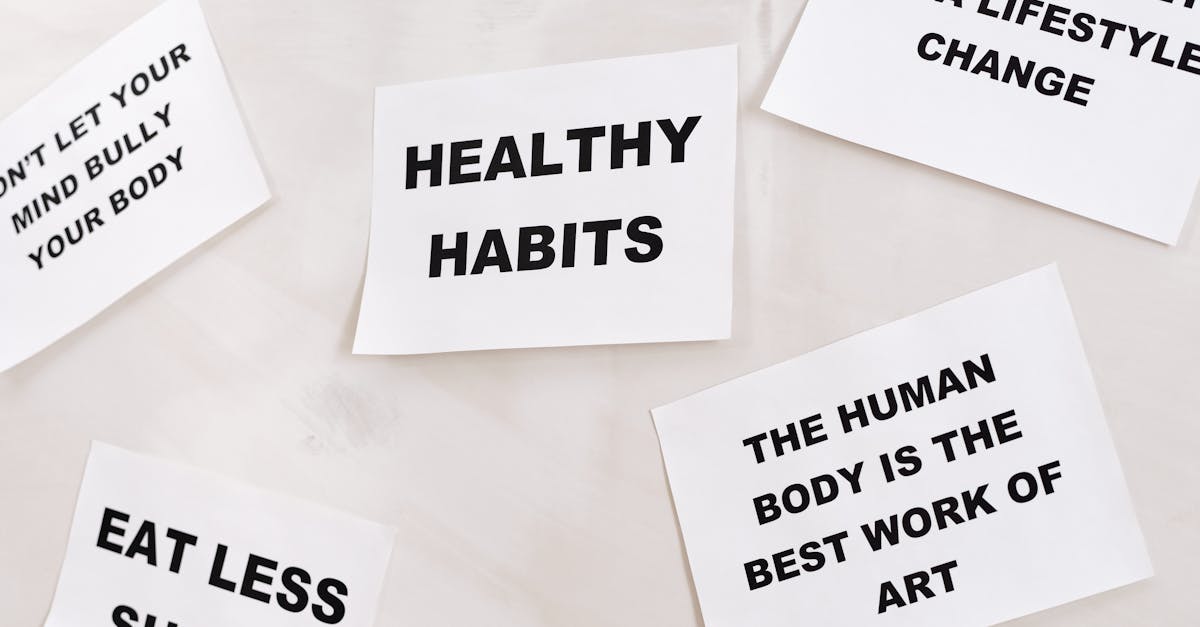
Let's talk about habit formation — the lifestyle topic that launched a thousand productivity gurus. I've tried it all. The 21-day rule. The 66-day rule. The "just do it for five minutes" trick. You know what actually works? Lowering the bar so much that it's embarrassing.
Here's the system I actually use (and it works):
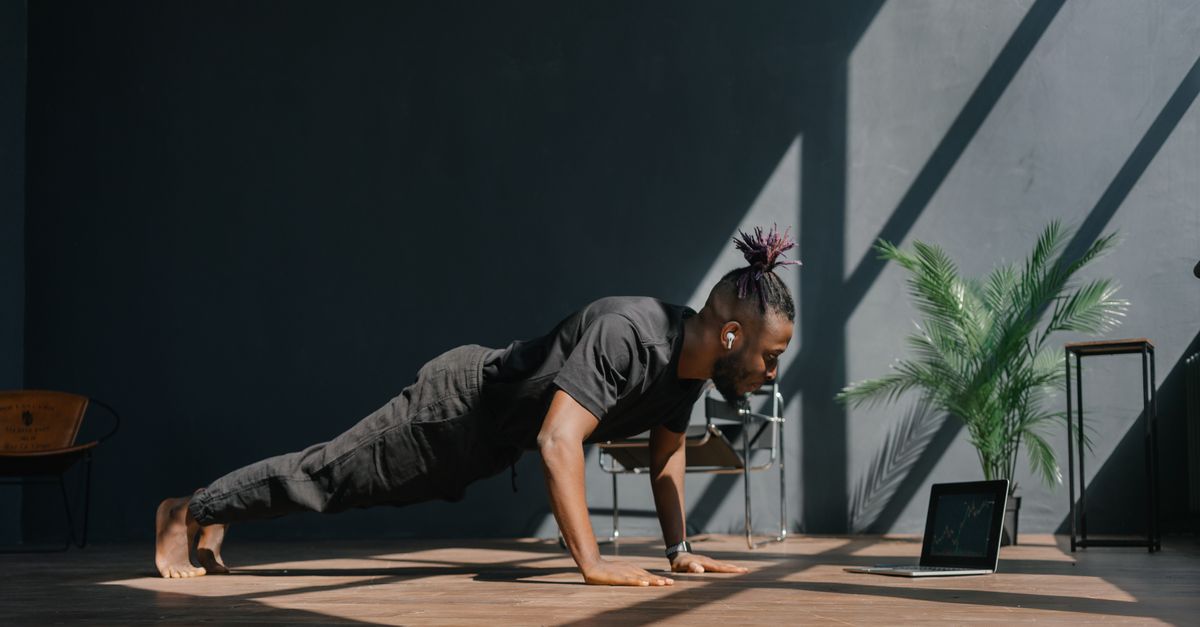
- Start so small it feels stupid — Want to exercise? Commit to one push-up per day. One. You'll end up doing five, but the goal is one. The point is to show up.
- Stack habits on existing ones — Already brush your teeth? Add "do one squat" right after. Already make coffee? Add "drink one glass of water" before it.
- Track with zero judgment — I use a simple checklist app. If I miss a day, I don't punish myself. I just check the next day. Perfection is the enemy of consistency.
And here's a hard truth: you will fail sometimes. I've gone weeks without exercising. I've eaten entire pizzas by myself. Life happens. The key isn't to never fall off the wagon — it's to get back on without a two-hour pity party. A stumble isn't a fall unless you decide to stay down.
The Digital Detox Myth — Why You Don't Need to Throw Away Your Phone
Every lifestyle blogger has written about digital detoxes. "Delete all social media!" "Go live in a cabin for a month!" "Touch grass!" Okay, but let's be real — most of us have jobs and relationships that require being online. I'm not moving to a monastery, and neither are you.
Here's what actually works for digital wellness: boundaries, not bans. I've found that completely cutting off social media makes me feel isolated and anxious. But here's what I do instead:
- No phone in the bedroom — I bought a $5 alarm clock. Best investment ever.
- Grayscale mode — Yes, it makes everything look boring. That's the point. Color is designed to hook you.
- Scheduled scrolling — I give myself 30 minutes in the morning and 30 minutes at night. Outside those windows, I'm off.
And honestly? The best productivity hack I've found is just turning off notifications for everything except calls and texts. The world doesn't end if you don't see a TikTok for six hours. Trust me, I tested it.
The Surprising Link Between Your Home and Your Headspace
Let's get practical for a second. Your environment shapes your behavior more than you realize. I'm not talking about minimalist aesthetic or having a "vision board" wall. I'm talking about the psychology of your physical space.
Here's a little experiment I tried: I rearranged my living room so my desk faces a window instead of a wall. That one change improved my focus by about 40%. No joke. The lifestyle topic of home organization isn't about having a Pinterest-perfect house — it's about creating spaces that support the person you want to be.
Some things that actually work:
- The "one-touch" rule — If you pick something up, put it where it belongs immediately. No "I'll do it later."
- Visible triggers — Want to read more? Leave a book on your pillow. Want to drink water? Keep a bottle on your desk.
- The 10-minute tidy — Set a timer and clean for 10 minutes. That's it. You'll be shocked how much you can do.
Your home should be your sanctuary, not a storage unit for your indecision. Treat your space like it's a physical manifestation of your priorities.

The One Lifestyle Topic Everyone Ignores — And It Changes Everything
We've talked about habits, self-care, digital wellness, and home organization. But there's one topic that almost no lifestyle blogger wants to address: boredom. Yes, boredom.
In our hyper-stimulated world, we've become terrified of being bored. We fill every spare second with podcasts, scrolling, or "optimizing." But here's the thing: boredom is where creativity lives. Some of my best ideas have come from staring at a wall doing absolutely nothing. When you constantly consume, you never have space to create.
I've started scheduling "do nothing" time into my week. No phone, no book, no podcast. Just me and my thoughts. It's uncomfortable at first — your brain will scream for dopamine. But after a few minutes, something shifts. You start thinking about things you've been avoiding. You process emotions you've been numbing. You get ideas that feel like they came from nowhere.
This is the lifestyle topic that actually leads to growth: allowing yourself to be still. Not meditating, not journaling, not "being productive in your rest." Just... existing. It sounds woo-woo, but I promise it works.
So here's my challenge to you: put this article down, and sit in silence for five minutes. No phone. No music. Just you and the room. Notice how uncomfortable it feels. Then notice how it starts to feel okay. That discomfort is where you'll find the answers you've been looking for — not in another blog post, not in another self-help book, but in the quiet space between your thoughts.
Your lifestyle isn't about having the perfect routine or the most Instagrammable home. It's about making choices that let you breathe. Start there. The rest will follow.