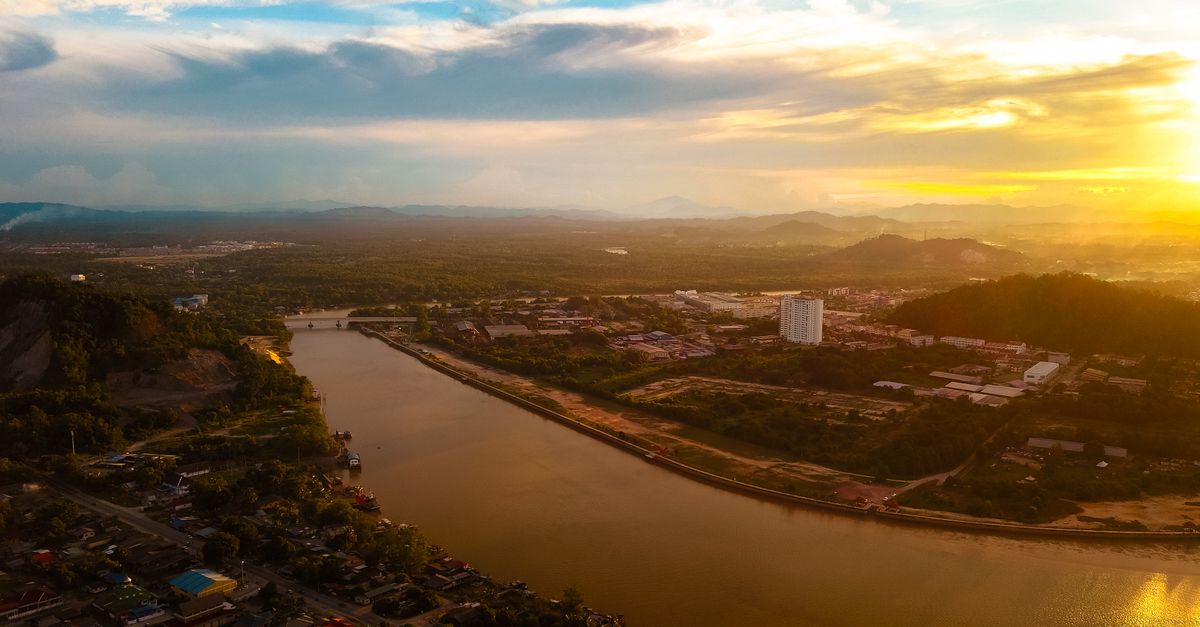
I’ll never forget my first visit to Ho. I showed up expecting a sleepy administrative town, a quick pit stop before heading to the Volta Lake or the Wli Waterfalls. Instead, I found a city that hit me like a shot of strong akpeteshie — bold, warm, and impossible to ignore. The air was different up there. Cleaner. The hills wrapped around the streets like a hug you didn’t know you needed. And the people? They don’t just wave. They see you.
Ho, the capital of the Volta Region, is one of Ghana’s most underrated weekend escapes. Most people race through it on their way to Hohoe or the mountains. Big mistake. The city itself is a cultural treasure chest, and if you time it right — especially for a Sunday — you’ll leave with more than just photos. You’ll leave with stories.
Let’s talk about why you need to pack your bag this weekend, and the one place you absolutely cannot miss while you’re there.
The Hills Are Alive — and They’re Calling Your Name
Let’s be honest: Accra is exhausting. The noise, the traffic, the endless honking that somehow never stops. Ho is the antidote. It sits in a valley surrounded by the Togo-Atakora mountain range, and the moment you descend into the town, your shoulders drop. The weather is cooler. The pace is slower. Even the Ewe greetings sound like music.
Here’s what most people miss: the view from the Ho Municipal Cemetery hill. I know, I know — a cemetery as a tourist attraction? But trust me. Walk up there around 4 PM, and you’ll see the entire city sprawled below, the mountains layered like green velvet in the distance. It’s not on any guidebook, but it’s where locals go to think. Bring water. The climb is short but steep — and worth every drop of sweat.
For something more structured, visit the Tafi Atome Monkey Sanctuary just 30 minutes out of town. It’s not a zoo; it’s a sacred grove where Mona monkeys have lived alongside villagers for centuries. You’ll walk through the forest, and the monkeys will come down like they know you. They do, in a way. The elders will tell you the story of how the monkeys saved the village during a war. I’m not saying I believe everything, but standing there, watching a monkey groom her baby while a toddler from the village played nearby, I felt something shift in my chest.

The Saturday Market Is a Masterclass in Chaos and Beauty
If you want to understand a place, skip the hotels. Go to the market. Ho’s central market on Saturday morning is pure, unfiltered Volta life. It starts before dawn, with women balancing massive basins of yams and plantains on their heads like it’s nothing. The smell of smoked fish and fresh cassava hangs in the air. The colors — bright kente cloth, red peppers, green bananas — are so vivid you’ll wonder if someone turned up the saturation on reality.
I’ve found that the best way to experience it is to go with no plan. Buy some abolo (steamed corn dough) with pepper sauce from a woman who’s been selling there for 30 years. She won’t speak English, but she’ll smile when you try to say “akpe” (thank you). Bargain for a piece of handwoven fabric. Watch the butchers work with a speed that’s almost artistic.
Here’s the real secret: the market is where you’ll hear the best Ewe praise poetry. Old men sit in corners, reciting verses about ancestors and chiefs, their voices rising and falling like a song. Most tourists walk right past. Don’t. Stop. Listen. You’ll get a glimpse of a culture that doesn’t perform for visitors — it just lives.
The Food Will Ruin You for Life
I’m not exaggerating. Volta Region cuisine is a different beast. The fufu here is made from cassava and plantain (not yam), and it’s lighter, fluffier, almost cloud-like. Pair it with groundnut soup made with smoked turkey or bushmeat, and you’ll understand why locals look at Accra fufu with pity.
But the real star is akple with okro stew. Akple is a fermented corn dough dumpling, and when it’s made right — smooth, slightly sour, warm — it’s the perfect vehicle for the slimy, spicy, utterly addictive okro stew. I had it at a chop bar called “Mama Esi’s Kitchen” near the lorry station. No sign. No menu. Just a woman, a pot, and a line of regulars. She saw me hesitate and said, “Sit. You will eat.” I ate three servings.
For dessert? Brukina. A local drink made from millet and milk, slightly sour and sweet. It’s sold by women who carry it in giant calabashes on their heads. One cup will cool you down after the spicy stew. Two cups will make you want to move to Ho permanently.
Sunday Morning: Why You Can’t Miss the Evangelical Presbyterian Church
Now, let’s get to the part you’ve been waiting for. You can’t visit Ho without attending church. I know — some of you are rolling your eyes. But hear me out. The Evangelical Presbyterian Church, Ho Bankoe is not just a place of worship. It’s a cultural institution that holds the soul of the Volta Region in its pews.
Here’s what I mean: The service is conducted in Ewe, but don’t let that scare you. The singing is transcendent. The choir doesn’t just sing — they perform with a passion that makes the rafters shake. The harmonies are so tight they feel ancient, passed down through generations. And the dancing? At some point, the congregation will break into a slow, rhythmic shuffle during a hymn. It’s not choreographed. It’s spontaneous. It’s the Holy Spirit moving through the room, and I’m not even religious and I felt it.
The architecture is simple — white walls, wooden pews, a high ceiling — but the atmosphere is electric. The sermon might be in Ewe, but the translator will help you catch the highlights. The real message is in the faces: joy, struggle, hope, resilience. You’ll see grandmothers in traditional cloth, young men in suits, children running in the aisles. It’s a community that doesn’t just gather — it belongs.
Why this church specifically? Because Ho Bankoe is the mother church for Presbyterianism in the Volta Region. The history here runs deep. The first missionaries arrived in the 19th century, and this church became a center for education, healthcare, and social change. Sit in the back, and you’ll feel the weight of that history. Stand when they stand, sing when they sing, and when the offering plate comes around, drop in a few cedis. You’ll leave with a peace that has nothing to do with a sermon.

The Hidden Gems Most Tourists Drive Past
Everyone goes to the Wli Waterfalls. And yes, it’s stunning. But here’s what most people miss: the lesser-known waterfalls around Ho that require a hike and a guide. The Tagbo Falls (near the Ghana-Togo border) is a series of cascades that feel like a private paradise. You need a local guide — ask at the Ho Tourist Office, or just find a young guy with a machete and a smile. The hike takes about an hour through cocoa farms and forest, and when you arrive, you’ll have the place almost to yourself. Swim in the pool at the bottom. Let the water pound your shoulders. It’s a massage you’ll never forget.
Another hidden spot: The Torgbui Sri Shrine in the nearby village of Anloga. It’s a sacred site for the Ewe people, dedicated to a legendary warrior-priest. The shrine itself is simple — a hut with offerings and a massive tree — but the energy is palpable. The caretaker will tell you stories of miracles and battles. Whether you believe or not, you’ll walk away feeling like you touched something older than time.
Why This Weekend Could Change You
I’m not saying a weekend in Ho will solve all your problems. But it will shift your perspective. You’ll eat food that tastes like care. You’ll hear music that vibrates in your bones. You’ll stand on a hill and see a city that doesn’t pretend to be anything other than what it is: real, alive, full of people who know how to live.
And when you walk into that church on Sunday — whether you’re Christian, Muslim, atheist, or just curious — you’ll understand something important. Culture isn’t something you observe. It’s something you participate in. The Ewe people have a saying: “Adexe le nuwu” — “There is strength in the gathering.” They gather on Sundays. Not just for God, but for each other.
So go. Book the bus. Pack light. Wear comfortable shoes. And when you step into that church, let yourself be small in that big, singing room. You might just leave Ho with a piece of its soul — and a hunger for more.