Did you know that the average person will say the phrase "then connect" — or some variation of it — over 20 times in a single day? Not out loud, necessarily, but in their head. We're constantly finishing one thought, one task, one moment, and then mentally reaching for the next link. That tiny, almost invisible phrase holds the secret to how we build momentum, create meaning, and actually get stuff done. Most people miss it. Let's be honest: we're so focused on the "what" and the "why" that we forget the "then connect" is the glue holding it all together.

The Hidden Glue in Your Daily Life
Here's what most people miss: "then connect" isn't just a tech term or a productivity hack. It's the fundamental pattern of how humans experience progress. Think about it. You wake up, then you grab coffee. You finish that email, then you move to the next one. You save a photo on your phone, then you share it with a friend. Each "then" is a bridge — a tiny, often unconscious decision to link one action to another.
I've found that the most successful people aren't necessarily smarter or more talented. They're masters of the "then connect." They don't just do things; they deliberately design the sequence. They ask themselves, "After this, what comes next?" and they make sure that next step is a natural, almost inevitable progression. It's like dominoes — you set the first one up, and then you ensure the second one is close enough to fall.
Here's the kicker: when you ignore the "then," you get chaos. You finish one thing and then stare at the wall, overwhelmed by the blank space. That's not "rest." That's disconnection. The "then connect" is what turns a scattered list of tasks into a flowing narrative. It's the difference between a jumbled heap of LEGOs and a spaceship.
Why Your Brain Craves Sequential Magic
Your brain is a prediction machine. It's constantly asking, "What happens next?" and then preparing for it. That's why the "then connect" feels so satisfying. When you complete a workout then immediately drink water, your brain registers a clean, rewarding sequence. When you finish a chapter then take a specific type of break, you build a rhythm.
I remember a time when I was trying to build a writing habit. I'd sit down, write a sentence, then... check Instagram. Then... reply to a text. Then... wonder why I felt scattered. The problem wasn't my writing. It was my broken "then connect." I was linking the wrong things together. The secret isn't just doing the thing; it's linking the thing to the right next thing.
Try this experiment for one day:
- Identify your "then" moments. Every time you finish something — a task, a meal, a conversation — pause for one second.
- Ask yourself: "What am I about to connect this to?"
- If the answer isn't helpful, change it. Finish your email, then take three deep breaths instead of immediately checking your phone.
The Three Hidden Pitfalls of "Then Connect" (And How to Fix Them)
Most people stumble on three specific traps when it comes to linking their moments. I've fallen into all of them, and I bet you have too.
Pitfall #1: The Random Link. You finish a deep work session, and then you scroll through social media. Your brain has to switch from high-focus mode to low-focus chaos. It's like driving a Ferrari and then immediately parking it in a demolition derby. The fix? Always link to a complementary activity. After deep work, link to a walk, a stretch, or a simple, mindless task like folding laundry. Let your brain coast, not crash.
Pitfall #2: The Missing Link. You finish something and then... nothing. You just stop. This is the "blank space" problem. Your brain hates uncertainty. It craves the next cue. If you don't provide one, it will invent one — usually a bad one (hello, doomscrolling). The fix? Always pre-decide the next link. Before you start a task, write down what you'll do immediately after you finish it. Even if it's just "stand up and stretch," write it down.
Pitfall #3: The Forced Link. You try to connect two things that don't belong together. You finish a creative brainstorming session, and then you immediately dive into a spreadsheet. It's possible, but it's jarring. The fix? Use a "bridge activity." After the brainstorm, spend two minutes journaling or doodling. That bridge activity smooths the transition. It's the "then" that makes the "connect" effortless.
I've found that the most powerful "then connect" of all is the one between an ending and a beginning. How you close one chapter directly determines how you open the next. Don't just slam the book shut; place a bookmark and take a breath.
How to Design Your Own "Then Connect" System
You don't need a fancy app or a complicated framework. You just need a little awareness and a willingness to experiment. Here's a practical system I use that you can steal right now.
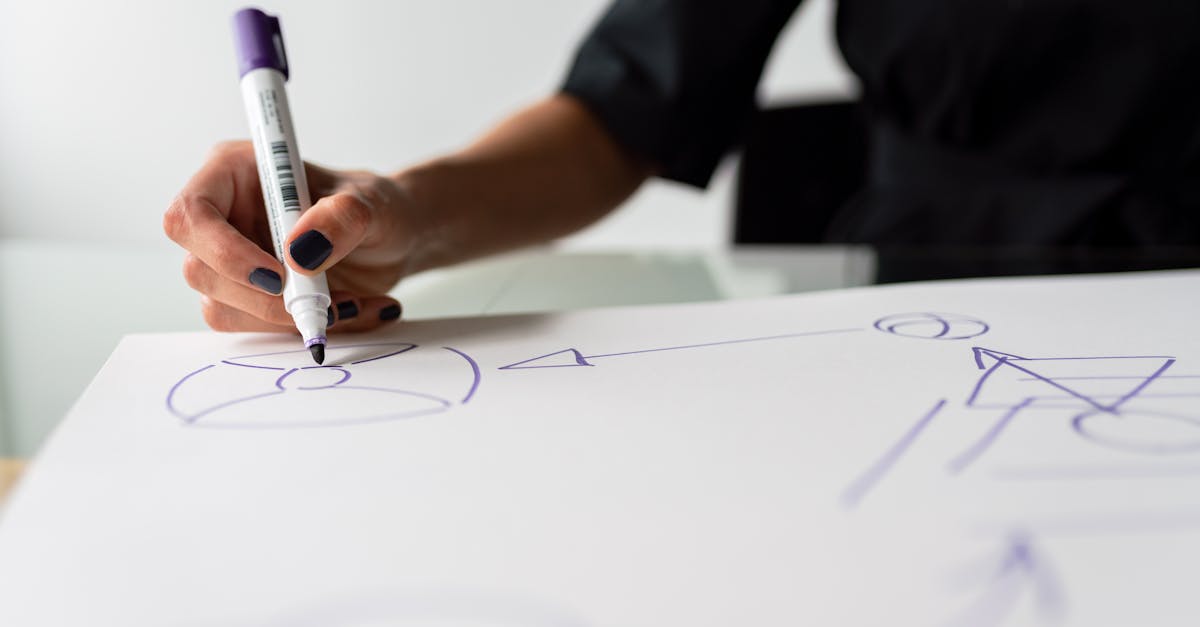
Step 1: Map Your Day's Transitions. Grab a piece of paper. Draw a line down the middle. On the left, list your main activities from morning to night. On the right, write down what you currently do after each one. Be brutally honest. You might see patterns like "after work, then I collapse on the couch" or "after lunch, then I feel sluggish."
Step 2: Identify the Broken Links. Circle the transitions that feel bad, draining, or unproductive. These are your "then connect" failures. For me, it was "after I finish a big project, then I immediately start worrying about the next one." That link was poisoning my sense of accomplishment.
Step 3: Design Better Connections. For each broken link, design a new "then." Make it specific and simple. For example:
- After I finish a project → then I write down three things I'm proud of.
- After I eat lunch → then I go for a 5-minute walk.
- After I wake up → then I drink a full glass of water before touching my phone.
I started doing this, and I swear my entire week felt longer and more meaningful. I wasn't doing more; I was just connecting better.

The Ripple Effect You Can't See Coming
Here's what shocked me when I started paying attention to "then connect": it doesn't just affect your productivity; it affects your relationships, your creativity, and your sense of self.
Think about a conversation. You say something, and then the other person responds. The quality of that "then" — whether you listen or interrupt, whether you pause or rush — determines the entire dynamic. Great listeners aren't just waiting for their turn to speak. They're crafting a beautiful "then connect" between what they heard and what they say next.
Or think about creativity. Every great idea is a "then connect" between two existing ideas that haven't been linked before. The wheel plus the axle. The phone plus the internet. The coffee shop plus the coworking space. Innovation is just a series of powerful "then connects" that nobody else saw.
And here's the deepest one: your identity. Who you are is not a static thing. It's a sequence of choices. You wake up, then you choose. You fail, then you choose again. The "then connect" between who you were and who you're becoming is the most important link of all. It's where growth happens. It's where forgiveness lives. It's where you take the raw material of yesterday and forge it into something new today.
The Final Connection (It's Always Personal)
So here's my challenge to you. For the next 24 hours, become obsessed with the tiny word "then." Notice it. Play with it. Flip it. When you finish reading this article, then what? Will you close the tab and forget everything? Or will you take one intentional action?
I'll tell you what I do. After I finish writing something like this, then I close my eyes for 30 seconds and let the last sentence settle. Then I stand up and walk to my window. Then I look at the sky and breathe. It's my ritual. It's my "then connect" between creation and gratitude.
You don't need to copy my ritual. But you do need to find your own. Because here's the truth: life isn't a series of moments. It's a series of connections between moments. And the quality of your life is determined by the quality of those connections.
So go ahead. Finish this sentence. Then connect.