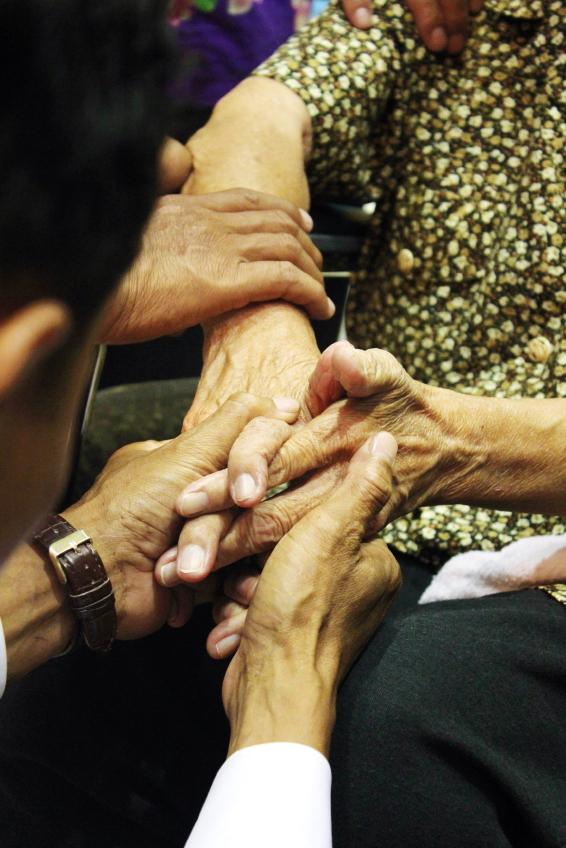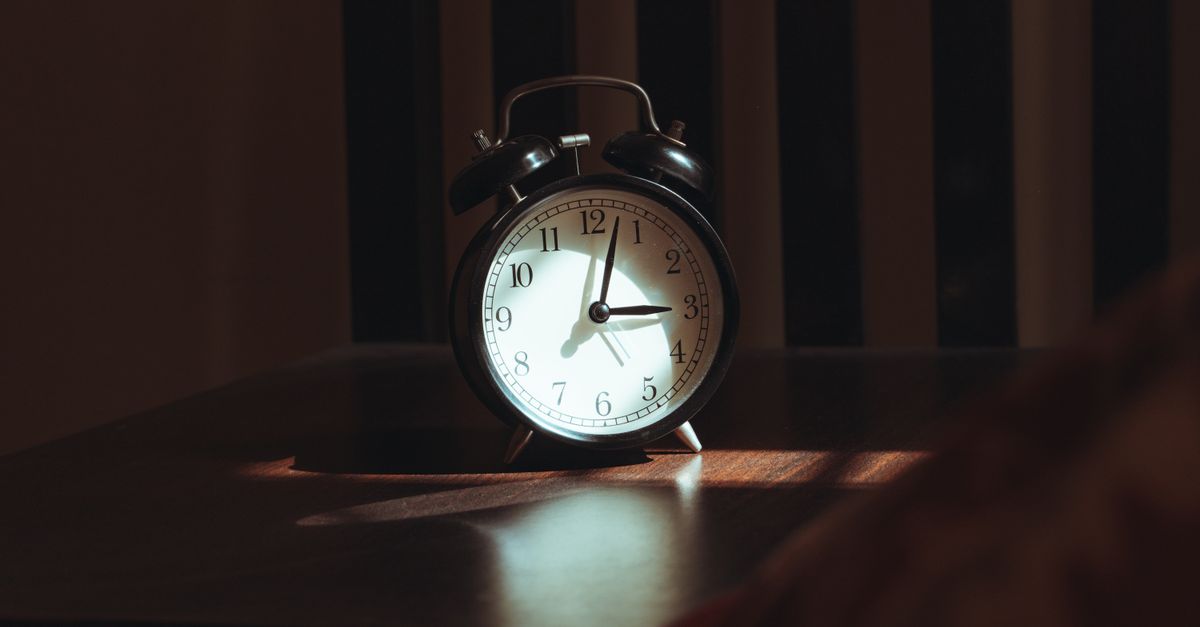
You know that moment when you’re lying in bed at 2 AM, staring at the ceiling, and your brain decides to replay every awkward conversation from the last decade? Yeah, me too. I’ve been there more times than I’d like to admit. But here’s the thing I’ve learned after years of wrestling with my own head: the real issue isn’t the thoughts themselves. It’s what comes next.
Most people think health is about diet plans, workout splits, and sleep schedules. And sure, those matter. But I’ve found that the hidden driver of every health outcome — mental, physical, emotional — is a tiny, almost invisible step I call “then connect.”
It’s the gap between deciding to do something and actually doing it. That split second where you either grab your running shoes or sink deeper into the couch. That moment where you choose to reply with patience instead of snapping. That pause where you either connect with your body’s signals or ignore them.
Let’s be honest: most of us are terrible at this. We’re disconnected from ourselves, our habits, and our bodies. And it’s killing us — slowly, quietly, one missed connection at a time.

The Hidden Glitch in Your Health Code
I used to think willpower was the answer. If I just wanted it enough, I’d stick to my morning yoga routine. If I just cared enough, I’d stop stress-eating chips at 10 PM. But here’s the uncomfortable truth: willpower is a scam. It’s a finite resource that runs out faster than my phone battery after a day of doom-scrolling.
What I stumbled onto instead was a radical idea: health isn’t about forcing yourself. It’s about connecting. Specifically, connecting the moment of intention with the moment of action.
Think about it. When you decide to go for a walk, there’s a tiny window — maybe 3 seconds — between that thought and your body moving. In that window, your brain offers you alternatives: “It’s cold out.” “You’re tired.” “Maybe tomorrow.” That’s where the disconnect happens.
“Then connect” is the practice of closing that gap. It’s the mental handshake between what you want and what you do. I’ve found that when I consciously bridge that split second, everything changes. The resistance dissolves. The action becomes automatic.
Here’s what most people miss: the gap is where your old habits live. Every time you let that gap widen, you reinforce the disconnect. Every time you bridge it, you rewire your brain for connection. It’s like building a neural bridge — one crossing at a time.
The 3 Secret Bridges You’re Not Building
I’ve broken down “then connect” into three specific bridges that most people ignore. These aren’t fancy concepts. They’re raw, practical, and surprisingly effective.
Bridge #1: The Breath-Habit Link
You’ve heard “just breathe” a thousand times. I used to roll my eyes at it. But here’s what changed my mind: your breath is the remote control for your nervous system. When you’re about to react — stress-eating, snapping at someone, skipping a workout — you have about 2 seconds to interrupt the pattern.
My trick? I call it the “one-breath pause.” Before I grab a snack I don’t need, I take one conscious inhale. Before I respond to a frustrating email, I exhale slowly. That one breath is the connection point. It’s the moment I choose to connect with my body instead of autopilot.
Try this right now. Take one breath. Notice how your shoulders drop. That’s the connection happening.
Bridge #2: The Movement-Mood Connection
Here’s a shocking stat: 80% of people who say they “don’t have time to exercise” are actually avoiding the discomfort of starting. I’ve been there. The thought of a 45-minute workout feels like climbing Everest.
But “then connect” changes the game. Instead of thinking about the whole workout, I focus on the first 3 seconds. I put one foot on the floor. I stand up. That’s it. Once I’m standing, my brain says, “Well, I’m already up. Might as well move.”
The secret is making the connection so small it’s laughable. Because once you connect, the momentum carries you. You don’t need motivation. You need a bridge.
Bridge #3: The Emotional Check-In
This one’s messy. I’ll admit it. We’re conditioned to avoid uncomfortable feelings. But I’ve discovered that suppressing emotions is like holding a beach ball underwater — it always pops up elsewhere, usually in your body (headaches, tight shoulders, gut issues).
“Then connect” here means pausing when you feel a surge of anger, anxiety, or sadness. Instead of reacting, you ask: “What am I actually feeling right now?” That one question bridges the gap between emotional trigger and emotional response.
I’ve found that naming the emotion — “This is frustration” or “This is fear” — takes away its power. It’s no longer a monster in the dark. It’s just a feeling. And feelings pass. But only if you connect with them first.

Why Your Body Is Screaming (and You’re Not Listening)
Let’s get real for a second. Your body talks to you constantly. That tightness in your jaw? It’s saying, “You’re holding onto stress.” That craving for sugar at 3 PM? It’s saying, “I need energy, but I’m not getting it from real food.” That urge to scroll through your phone for an hour before sleep? It’s saying, “I’m avoiding something.”
But here’s the kicker: most of us are fluent in ignoring our bodies. We’ve been trained to override signals since childhood. “Stop crying.” “Don’t be lazy.” “Push through the pain.”
I’ve had to unlearn all of that. And it started with one tiny shift: when my body sends a signal, I connect with it before I act. That’s the “then connect” in action.
For example, when I feel a headache coming on, I used to reach for ibuprofen immediately. Now I pause. I ask: “Is this dehydration? Eye strain? Tension?” 9 times out of 10, a glass of water and a 5-minute break fixes it. The pill was just a disconnect — a way to bypass the message.
Your body is not the enemy. It’s your most honest advisor. But you have to be willing to listen in that split-second gap between sensation and action.
The 3-Second Rule That Changed Everything
I stumbled onto this by accident. I was trying to build a meditation habit, failing miserably. Every morning, I’d think, “I should meditate,” then immediately think, “But I’m too busy.” The gap was winning.
Then I read about a study on habit formation. Researchers found that the critical moment for habit execution is the first 3 seconds. If you don’t act within those 3 seconds, the window closes. Your brain defaults to the old pattern.
So I made a rule: when the thought “I should” appears, I move within 3 seconds. No negotiation. No debate. Just action.
Here’s how I apply it:
- Workout thought? I stand up immediately. Even if I just stand there for 5 seconds. The standing is the connection.
- Healthy meal thought? I open the fridge door. The opening is the connection.
- Meditation thought? I sit on the floor. The sitting is the connection.
I’ve found that this 3-second rule makes health feel effortless. Not because it’s easy, but because you remove the friction of decision-making. You don’t decide to exercise. You decide to stand up. The exercise follows.
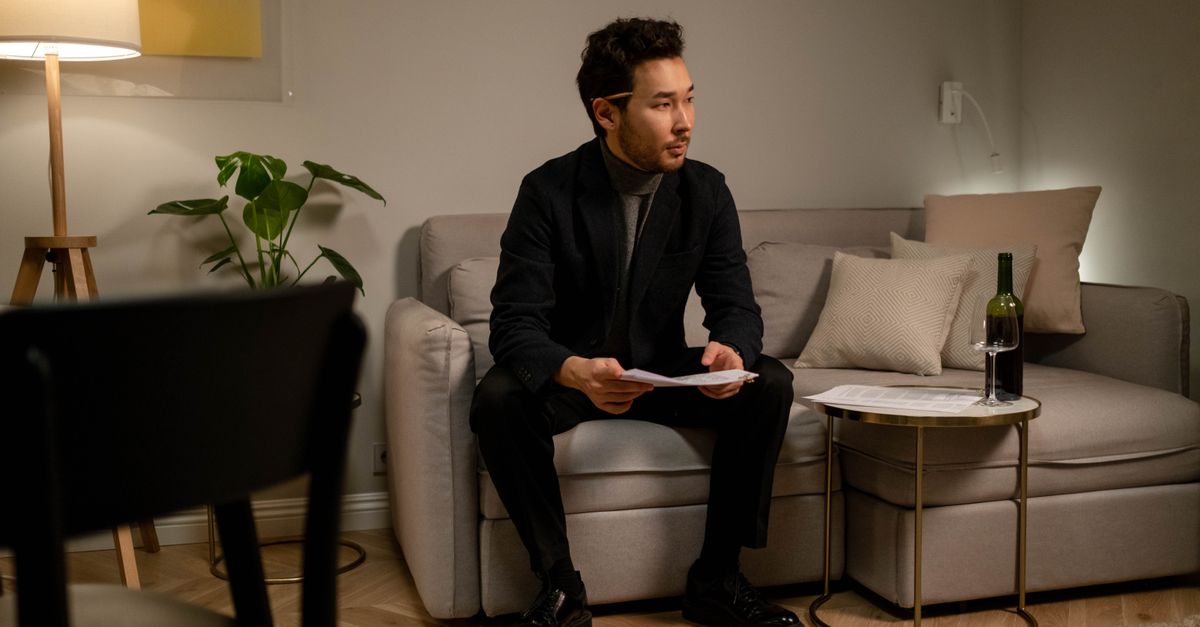
The Surprising Link Between Connection and Chronic Pain
This one hit close to home. A few years ago, I developed chronic lower back pain. Doctors gave me stretches, pills, and vague advice. Nothing worked long-term.
Then a physical therapist asked me a weird question: “When you feel the pain, what’s your first thought?”
I said, “I want it to stop.”
She said, “That’s the problem. You’re disconnecting from the pain instead of connecting with it. Pain is a signal. When you fight it, your muscles tighten more, creating more pain.”
She taught me a practice called “pain bridging.” When the pain flares, instead of tensing or reaching for painkillers, I pause. I take a breath. I mentally “visit” the pain — not to analyze it, but to acknowledge it. I say (in my head): “I notice you, back pain. You’re here right now.”
Sounds woo-woo, right? I thought so too. But within two weeks, the intensity dropped by half. Because when you connect with a sensation, your nervous system stops treating it as a threat. The alarm system calms down.
This applies to emotional pain too. Anxiety, grief, loneliness — they all become less overwhelming when you connect with them instead of running. The “then connect” is literally a pain-relief tool.
How to Wire “Then Connect” Into Your Daily Life (Without Trying Hard)
You don’t need a lifestyle overhaul. You don’t need a 30-day challenge. You need micro-connections — tiny bridges that you build dozens of times a day. Here’s the exact system I use:
- Morning anchor: Before you get out of bed, take 3 conscious breaths. That’s it. That breath is your first connection of the day.
- Meal pause: Before you eat anything, look at your food for 5 seconds. Notice colors, textures. This connects you to the act of nourishing, not just consuming.
- Movement trigger: Every time you stand up from a chair, do a quick body scan. Where’s the tension? That scan is a connection.
- Emotional check-in: Set a random alarm on your phone. When it goes off, ask yourself: “What am I feeling right now?” Don’t judge it. Just notice.
- Sleep bridge: Before you close your eyes at night, place one hand on your chest. Feel your heartbeat. That’s your final connection of the day.
The Truth No One Tells You About Willpower
Here’s the raw truth: willpower is overrated because it requires constant battle. “Then connect” is underrated because it requires surrender. You surrender the need to fight your urges. You surrender the idea that your body is your enemy. You surrender the fantasy of perfect discipline.
Instead, you become a bridge-builder. You show up, moment by moment, and connect what you want with what you do.
I’ve found that the people who seem effortlessly healthy aren’t superhuman. They’ve just made connection a reflex. They’ve automated the gap. And you can too.
But it starts with that tiny, invisible choice. The one you make right now, in this moment.
Are you going to close this tab and go back to autopilot? Or are you going to take one breath, stand up, and connect with something you’ve been avoiding?
The bridge is waiting. You just have to step onto it.