My grandmother used to say her forgetfulness was just "old age catching up." She’d laugh it off, but I saw the worry in her eyes every time she misplaced her keys or forgot a neighbor’s name. Last year, at 78, she started forgetting my birthday. I won’t lie—it broke my heart. We all assume brain aging is a one-way street. You get older, your mind slows down, memories fade. Game over, right?
Not so fast.
A new study just dropped a bombshell that sounds like it’s straight out of a sci-fi flick. Researchers have identified what they’re calling a "zombie gene" — and here’s the kicker: it might hold the key to reversing brain aging. No, I’m not talking about some shady anti-aging cream or a dubious supplement. This is real, peer-reviewed science that’s making waves. And honestly? It gave me chills.
Let's dig into what this means for you, for my grandmother, and for every one of us who’s terrified of losing our sharp edge.
The Shocking Discovery: Why Your Brain Cells Are Playing Dead
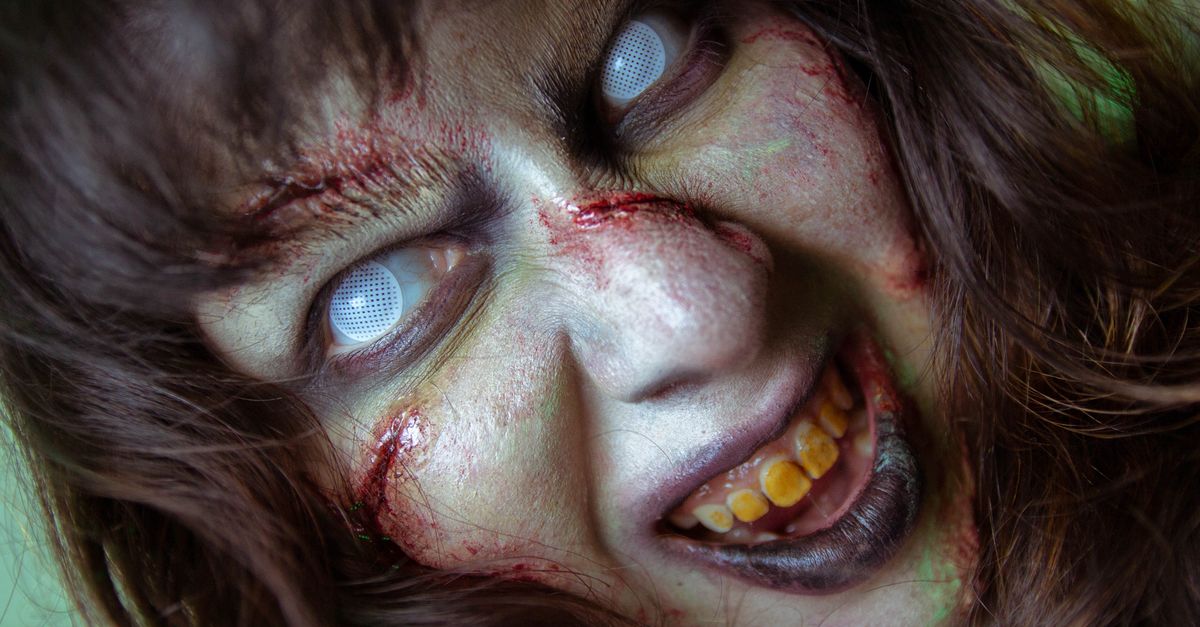
Here’s what most people miss: your brain doesn't just wear out like an old pair of shoes. Something more sinister happens. As we age, certain brain cells stop dividing but refuse to die. They just... linger. Scientists call them senescent cells — but I prefer the term "zombie cells." They’re the walking dead of your neural network.
These zombie cells don’t do their job anymore. Instead, they spew out inflammatory chemicals that poison the healthy cells around them. Think of them as that one toxic coworker who does nothing but drags everyone else down.
The new study, published in a leading journal, pinpointed a specific gene that activates these zombie cells in the aging brain. They named it the "zombie gene" (catchy, right?). But here’s the plot twist: when researchers silenced this gene in aged mice, something wild happened.
Their brains started to rejuvenate.
The mice performed better on memory tests. Their neural connections grew stronger. Inflammation dropped. It wasn’t just slowing the clock — it was turning it back. I’ve found that most people assume brain decline is inevitable. This study says: maybe not.

Why You Should Care (Even If You're 25)
Let’s be honest — brain aging isn't a problem for "old people." It’s a problem for future you. The decisions you make today, the stress you carry, the sleep you skip — they’re all feeding those zombie cells.
Here’s what I want you to take away:
- The zombie gene doesn't just appear at 70. It starts accumulating damage in your 30s and 40s.
- Inflammation is the silent killer. Those zombie cells create a toxic soup that accelerates cognitive decline.
- This isn't about Alzheimer's alone. It’s about everyday memory lapses, slower processing, and that "brain fog" we all dread.
I remember reading the study and thinking: Wait, so my grandmother’s forgetfulness might be reversible? The scientists are cautious, of course. Mice aren’t humans. But the mechanism is so fundamental, so deeply wired into aging biology, that it’s hard not to feel a surge of hope.
The Hidden Truth About Your Lifestyle Choices
Now, here’s where I get real with you. You don’t have to wait for a miracle pill. The study also revealed something that might surprise you: lifestyle factors can influence this zombie gene.
We already know that exercise, sleep, and diet affect brain health. But this research shows they might directly impact whether those zombie cells activate. It’s not just about "staying sharp" — it’s about telling your genes to stay sleepy.
What works? Based on the biology:
- Intermittent fasting triggers cellular cleanup that removes senescent cells.
- High-intensity interval training reduces inflammatory markers linked to the zombie gene.
- Omega-3s and polyphenols (think blueberries, dark chocolate) protect neurons from senescence.

The 3 Things You Need to Know Right Now
Let me break this down so you don’t have to wade through the academic jargon.
First: The zombie gene is real, and it’s a primary driver of brain aging. Scientists have now identified exactly which gene (it's called CDKN2A if you want to impress your friends) and how it turns brain cells into toxic zombies.
Second: We’re closer than ever to a therapy that targets this gene. Clinical trials are already in the works for "senolytic" drugs that clear zombie cells. The first human trials for brain aging could start within 2-3 years.
Third: You can start fighting back today. The same mechanisms that clear zombie cells — exercise, fasting, sleep — are within your control. You don’t need a prescription. You need discipline.
I’ve found that most people wait until they notice memory problems to act. By then, the zombie cells have already spread. The real power move is prevention — starting now, regardless of your age.
What This Means for Humanity (And Your Grandma)
I called my grandmother after reading this study. I didn’t explain the science — I just told her, "There’s hope, Mama. Real hope." She didn’t say much, but I heard the catch in her voice.
This isn’t just about living longer. It’s about living sharper. It’s about being 80 and still remembering your grandkid’s name, still cracking jokes, still feeling like you.
The researchers behind this study are careful. They say we’re years away from a treatment for humans. But the trajectory is clear: we’re moving from "managing decline" to "reversing aging." That’s a paradigm shift.
So here’s my challenge to you: treat your brain like the precious organ it is. Feed it. Challenge it. Rest it. And stay tuned — because the zombie gene might just be the beginning of a revolution that changes how we think about growing old.
The future of brain health isn’t about slowing down. It’s about waking up the dead.





