Let's be honest: for years, we mocked the hipsters. We rolled our eyes at the guy in the coffee shop gently placing a 180-gram reissue of Rumours onto a Crosley cruiser. We laughed at the idea that analog could ever compete with the convenience of a million songs in our pocket.
I was one of the mockers. I had the Spotify wrapped, the noise-canceling headphones, and the smug superiority of someone who thought physical media was dead.
I was wrong. And the numbers prove it.
Vinyl sales have hit a 35-year high, and the people buying them aren't just aging Boomers trying to relive 1979. It's Gen Z. The generation that grew up with the internet is driving the resurgence of the format their parents were told was obsolete. It's not a nostalgic fad. It's a rebellion.
The Digital Burnout is Real (And Vinyl is the Antidote)
Here's what most people miss about the vinyl revival: it isn't about sound quality. I mean, sure, audiophiles will argue about warmth and compression until they're blue in the face, but that's not why a 19-year-old is dropping $40 on a Taylor Swift record.
It's about friction.
Think about how you consume music today. You tap a screen. You skip. You shuffle. You let an algorithm decide your mood. Music has become background noise—literally—to our scrolling, our working, our doom-spiraling.
Vinyl forces you to stop.
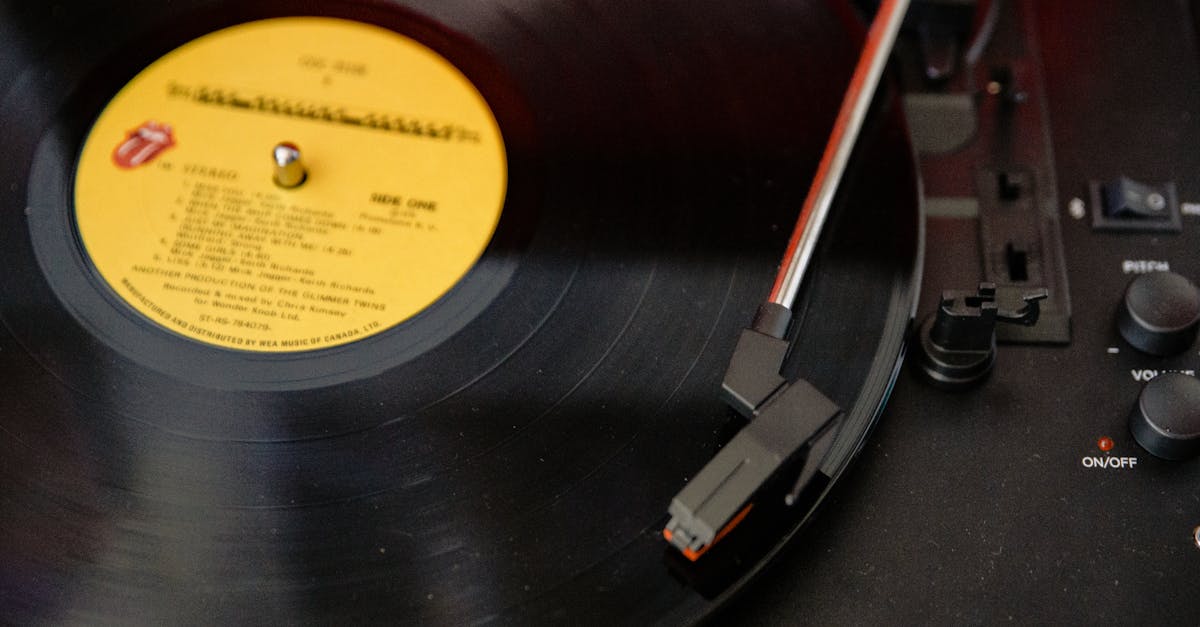
You have to pull the record out of the sleeve. You have to place the needle. You have to sit there for 20 minutes and listen to a side. You can't skip the deep cuts easily. You can't just let it play forever.
I've found that this tactile ritual is exactly what a generation raised on infinite feeds is craving. It's the same reason we buy paper planners and film cameras. We are desperate for things that feel real.

Why Gen Z is the Unexpected Savior of the Record Store
Let's be real: the music industry hates this. Streaming pays pennies. A vinyl record is a physical asset. It's a piece of merch that actually functions as art.
Gen Z has turned the record into a collectible. It's not just music; it's a flex. You display it on your shelf. You frame it. You show your friends the limited-edition splatter variant that sold out in five minutes.
Here's a quick breakdown of why this generation is buying vinyl:
- The Aesthetic: Let's not pretend. Vinyl looks incredible. The large format artwork, the colored disks, the gatefold sleeves—it's a physical extension of the artist's brand that a JPEG can't match.
- The Nostalgia for a Time They Didn't Experience: There's a romanticism to the analog era. It feels authentic in a world of AI-generated content and deepfakes.
- The Support: Buying a record directly supports the artist. It's a tangible way to say, "I love this album," rather than just adding it to a playlist.
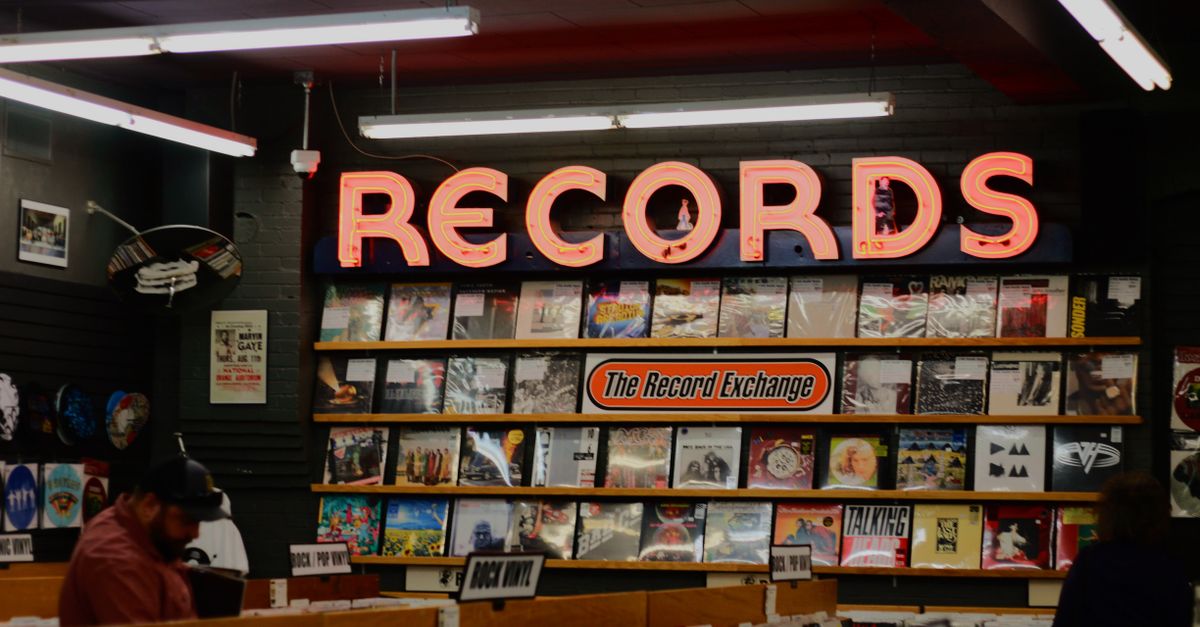
- The Community: Record Store Day is a pilgrimage. Trading records is a social activity. It's a shared experience.
The Vinyl Revival is a 35-Year High, But Can It Last?
The stats are staggering. In 2023, vinyl records outsold CDs for the first time in decades. We're talking about a format that was declared dead in the late 80s.
But here's the controversial part: is this a bubble?
There are pressing plants backed up for months. Prices are skyrocketing. A standard new release can cost $35 to $50. Independent artists are struggling to get their records pressed because Taylor Swift and Olivia Rodrigo have booked every slot for the next year.
Is Gen Z going to keep paying premium prices for a bulky format that requires maintenance?
I think yes. Here's why: the vinyl revival is a permanent shift in how we value music.
We've spent a decade devaluing music. We expect it to be free. We expect it to be instant. Vinyl is the correction. It's the premium tier. It's the difference between grabbing a fast-food burger and going to a steakhouse.
When you buy a record, you're investing in the music. You're saying, "This matters to me."
The Secret Weapon: TikTok Made Records Cool Again
You can't talk about the vinyl revival without talking about TikTok.
The #vinylcommunity hashtag has billions of views. Users film "vinyl unboxings," "what I'm spinning," and "record store hauls." It's ASMR for the eyes.
This is the secret engine driving the 35-year high. It's not a marketing campaign from Sony. It's organic. A kid sees a cool creator spinning a Mac DeMarco record, and suddenly they want that feeling. They want the ritual. They want the aesthetic.
Social media made physical media cool.
The irony is thick enough to cut with a knife. The very platforms that killed our attention spans are now driving us to buy a format that demands we sit still and focus for 20 minutes. It's a beautiful contradiction.
The Future is Analog (In a Digital World)
So, what does this mean for the future?
It means the record store isn't dead. It's evolving. It's becoming a community hub, a concert venue, a coffee shop. It means artists will continue to release elaborate vinyl variants because that's where the money is. It means we will keep buying physical objects because we are human, and humans need to touch things.
I've found that the vinyl revival isn't about rejecting technology. It's about balancing it. We love our Spotify. We love our AirPods. But we also need a break.
We need to hear the crackle. We need to flip the record. We need to look at the liner notes.
The 35-year high isn't a fluke. It's a statement. We are tired of the cloud. We want something we can hold.
So go ahead. Dig through the crates. Buy that record you've been streaming for free. Put it on the turntable. Sit down. Listen.
You might just remember why you fell in love with music in the first place.
And who knows? Maybe the next revolution will be spun at 33 and 1/3 RPM.


