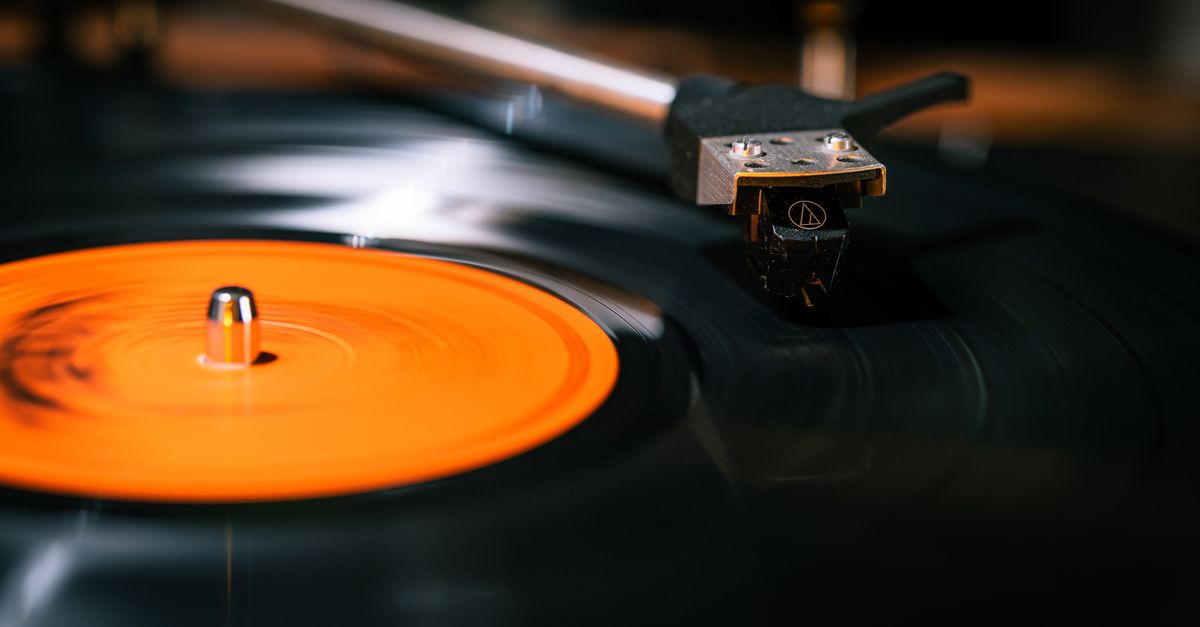
Let me tell you something that would've sounded absurd five years ago: I now own more vinyl records than I do digital albums. And I'm not some grizzled audiophile hoarding Beatles pressings in a basement. I'm part of the generation that supposedly killed the music industry with streaming, endless scrolling, and a collective attention span shorter than a TikTok.
Yet here we are. Vinyl sales just hit a 30-year high, and the numbers aren't a fluke or a nostalgia blip. They're a full-blown cultural shift — and Gen Z is the one spinning the turntable.
I've been watching this trend closely, and honestly, I think most analysts are getting it wrong. They frame the vinyl revival as a hipster thing, a retro fad, or some performative aesthetic move for the 'gram. That's lazy thinking. What's actually happening is way more interesting — and it says a lot about how young people relate to music, ownership, and identity in 2025.
The Numbers That Made the Industry Do a Double-Take
Let's start with the data, because it's genuinely wild. According to the RIAA, vinyl records have now outsold CDs for consecutive years running — something that hasn't happened since the late '80s. We're talking about revenue climbing past the billion-dollar mark while physical CD sales keep sliding. Vinyl is no longer the niche format your dad clings to. It's the dominant physical music format, period.
And the buyers? Not who you'd expect. Surveys consistently show that a huge chunk of vinyl buyers are under 35, with Gen Z making up a rapidly growing slice. These aren't people who grew up with record players in the living room. Many of them discovered vinyl through TikTok clips of needle drops, YouTube unboxings, or a friend's dorm room setup.
Here's what most people miss: the streaming era didn't kill physical media. It created a hunger for it.

Why Streaming Made Us Crave Something We Can Actually Hold
Think about your relationship with music right now. You tap play. It's there. You skip. It's gone. You have access to basically every song ever recorded, and yet — let's be honest — how much of it do you actually feel?
That's the paradox. Streaming gave us infinite access but zero ownership. Your library lives in a cloud you don't control. A licensing deal expires, a song vanishes, an artist pulls their catalog, and suddenly your favorite album is a greyed-out ghost on your playlist.
Vinyl is the antidote. When you drop $35 on a record, you own a physical object. It can't be deleted by a corporate decision. It doesn't require Wi-Fi. It just exists — on your shelf, in your hands, spinning at 33⅓ RPM.
I've found that this sense of tangible ownership is the single biggest driver for younger collectors. It's not about sounding "better," even though plenty of people will argue that until they're blue in the face. It's about having something in a world where we increasingly own nothing.
The Ritual Is the Point (Not the Sound Quality)
Let's be honest about the audiophile argument for a second. Does vinyl actually sound better? Sometimes yes, sometimes no. A well-mastered record on a decent turntable can sound warmer and more dynamic than a compressed stream. But a scratched dollar-bin record on a cheap suitcase player? Not so much.
So if sound quality isn't the universal reason, what is?
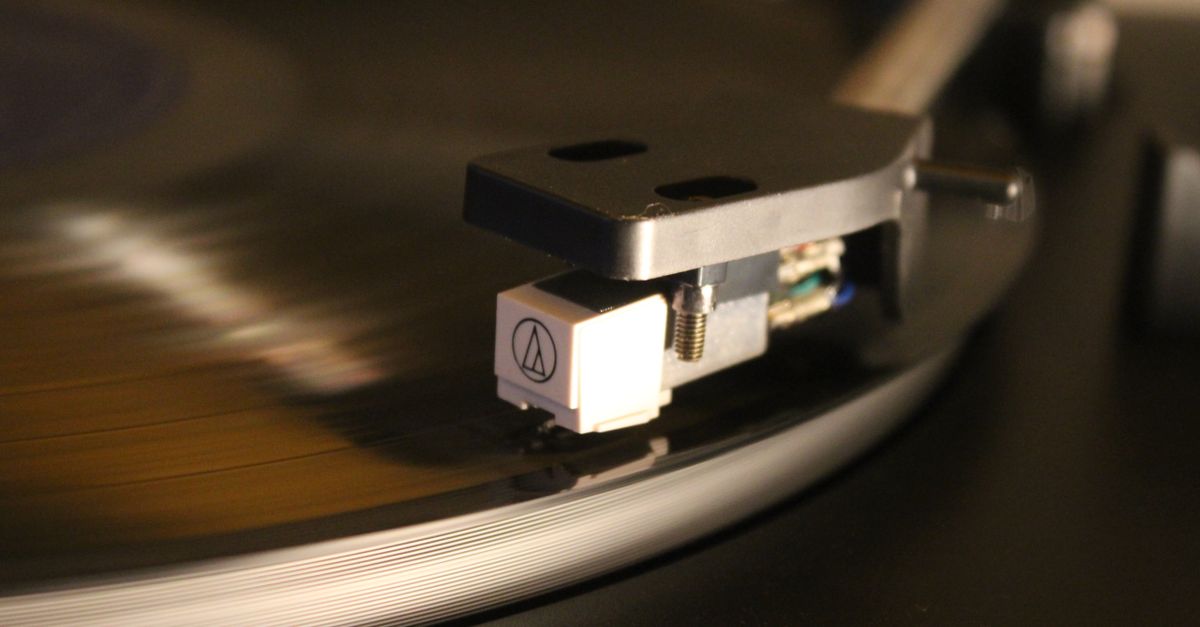
It's the ritual. And this is where Gen Z's psychology gets really fascinating. In a culture of instant gratification, vinyl forces you to slow down. You have to:
- Pick the record — a deliberate choice, not an algorithmic suggestion.
- Slide it out of the sleeve — carefully, by the edges, like it matters.
- Drop the needle — and commit to a whole side, in order, no skipping.
- Flip it halfway through — a built-in pause that streaming never gives you.
The Aesthetic Isn't Shallow — It's Identity
Here's where I'll push back on the cynics. A lot of older critics roll their eyes at the aesthetic side of vinyl — the colorful pressings, the limited editions, the wall displays. They call it performative.
But come on. Music has always been about identity. The punk kid with a leather jacket and a Clash record. The hip-hop head with crates of vinyl. The indie kid with a tote bag full of seven-inches. Displaying your taste has always been part of the deal.
What's different now is that vinyl is a statement against disposability. Owning a splatter-pattern record from your favorite artist is a way of saying, "This mattered to me." It's the same energy as a concert ticket stub or a band tee, just more permanent.
And let's not pretend the industry hasn't noticed. Artists now design album releases around vinyl variants. Multiple colorways, exclusive bonus tracks, signed inserts — it's a whole collector's economy. Some people find that gross and commercial. I find it smart. It gives fans something real to rally around.
The Hidden Risk Nobody's Talking About
I'd be a bad blogger if I only fed you the hype. There's a real downside to all this growth, and it's worth naming.
Pressing plants can't keep up. Vinyl production is slow, physical, and bottlenecked. There are only so many facilities left after decades of decline, and lead times for new records can stretch to six months or more. That means independent artists get pushed to the back of the line while major labels snap up capacity for their biggest stars.
There's also the environmental angle. Vinyl is made from PVC, it's heavy to ship, and those "limited edition" pressings create a lot of waste when they don't sell. If the revival keeps scaling, the industry is going to have to reckon with its carbon footprint.
So no, it's not all warm fuzzy nostalgia. But that tension — between genuine cultural value and real production limits — is exactly why this moment matters.
So Is This a Fad or a Forever Thing?
Here's my honest take: the vinyl revival isn't a trend. It's a correction.
For two decades, the music industry chased convenience and convinced us that access was the same as connection. It wasn't. Gen Z didn't reject streaming — they grew up inside it and figured out what it was missing. Vinyl fills that gap.
Will sales keep climbing forever? Probably not. Every boom eventually plateaus. But I don't think we're going back to the days when records were a dusty niche for old guys with too much disposable income. The format has been re-claimed by a generation that values the physical, the intentional, and the real.
So here's my challenge to you: next time you're about to add an album to your streaming queue, ask yourself if it's one you'd actually want to own. If the answer is yes, go find it on wax. Support the artist. Feel the weight of it in your hands. Drop the needle.
You might never go back to just pressing play.


