I’m going to say something that might piss off your grandpa and your local wellness influencer at the same time: Your kombucha obsession is boring, and kimchi is just the beginning.
Look, I love a good fermented crunch as much as the next person. But if your gut-health game in 2024 still revolves around buying overpriced bottles of fizz at Whole Foods, you’re leaving serious health gains on the table. The fermentation world has exploded, and the trends this year aren’t just about trendy pickles anymore. We’re talking about ancient techniques that scientists are finally catching up to, weird bacterial strains that sound like sci-fi, and textures that’ll make your taste buds do a double take.
I’ve been deep in the fermentation rabbit hole for years, and let me be honest: the stuff happening right now is genuinely revolutionary. Here’s what you need to know—the five gut-health trends that are actually taking over 2024, and why your microbiome is begging you to try them.
The Water Kefir Comeback Nobody Saw Coming
You remember water kefir? That fizzy, slightly sour drink that felt like kombucha’s less popular cousin? It’s back, and it’s smarter than ever. Here’s what most people miss: water kefir grains aren’t just one type of bacteria—they’re a whole ecosystem of Lactobacillus, Bifidobacterium, and even yeast strains that work together like a tiny microbial symphony. Unlike kombucha, which is dominant by one or two strains, water kefir gives you a broader diversity of probiotics in a single glass.
I started brewing my own water kefir last spring because I was tired of the sugar bomb that is store-bought kombucha. The result? It’s lighter, less vinegary, and unbelievably refreshing. Plus, you can flavor it with just about anything—ginger and turmeric, strawberry and basil, or even a splash of elderflower syrup. It’s the ultimate DIY gut-health hack.

Pro tip: Don’t let the grains sit too long in sugary water without feeding them. They’ll starve. I’ve killed more batches than I care to admit. Treat them like pets, not ingredients.
The Hidden Hero of Fermentation: Lactic Acid Bacteria (LAB)
Let’s get nerdy for a second. Lactic acid bacteria (LAB) are the unsung heroes of the fermentation world. Most people think of sauerkraut or yogurt when they hear “fermented,” but LAB is the workhorse behind everything from sourdough to miso. In 2024, scientists have discovered that certain LAB strains don’t just survive your stomach acid—they thrive in it. They produce antimicrobial compounds that help crowd out bad bacteria and even support your immune system.
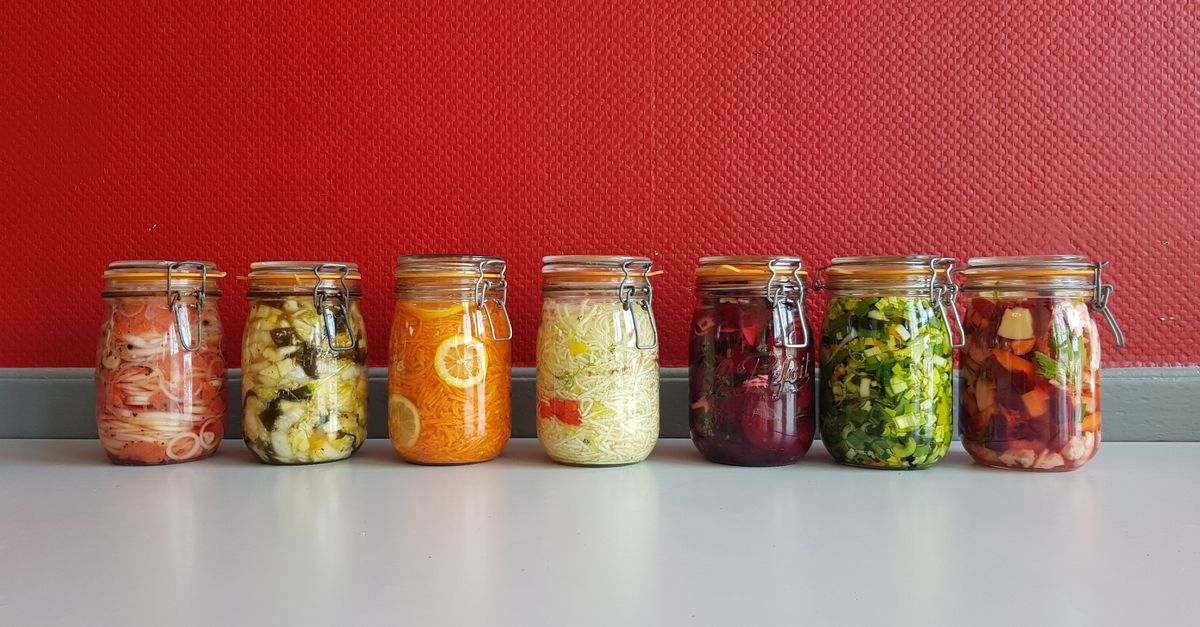
I’ve found that the easiest way to get more LAB into my diet is through homemade lacto-fermented vegetables. Carrots, radishes, even green beans—just salt, water, and time. The crunch is unreal, and the tang is addictive. Here’s the secret: don’t use iodized salt. Use sea salt or kosher salt. The iodine can kill the bacteria. Learn from my mistakes.
What to try this week: Make a batch of fermented garlic honey. It’s stupidly simple—just raw honey and peeled garlic cloves. Let it sit for a week. The honey turns runny and spicy, and the garlic becomes sweet and mellow. Drizzle it over roasted veggies or use it in salad dressing. Your gut will thank you.
Black Garlic Has a Dirty Secret (And It’s Delicious)
Okay, let’s talk about black garlic. You’ve seen it in fancy restaurants and gourmet markets. It looks like a shriveled alien nugget, tastes like sweet balsamic syrup, and costs a small fortune. Here’s the truth: it’s just regular garlic that’s been aged at low heat and high humidity for weeks. That’s it. But the transformation is nothing short of magical.
The aging process creates a compound called S-allyl cysteine, which is a potent antioxidant. More importantly for gut health, the fermentation changes the garlic’s fiber structure, making it easier to digest. If you’ve ever had trouble with raw garlic upsetting your stomach, black garlic is your new best friend. I smear it on toast with butter, mix it into pasta, or just eat it straight from the jar (don’t judge me).

My recommendation: Buy a small batch from a local producer or make your own in a rice cooker. It takes forever but the payoff is massive. Your gut microbiome will be swimming in prebiotic fiber and antioxidants.
The Fermented Hot Sauce Trend That Actually Works
Here’s where things get spicy. Fermented hot sauces have been a thing for centuries in Latin America and the Caribbean, but they’re having a mainstream moment in 2024. The difference between a regular hot sauce and a fermented one is night and day. Fermentation adds complexity—fruity notes, funky depth, and a heat that builds slowly rather than smacking you in the face.
I started fermenting my own hot sauce last year using habaneros, garlic, and a 3% salt brine. The result was a bright orange liquid that tasted like sunshine and fire. The probiotic content is a bonus, but the real win is flavor. Fermentation unlocks volatile compounds that you just can’t get from vinegar-based sauces.
What to look for: Check the label. If it says “live cultures” or “raw,” you’re golden. If it’s pasteurized, the probiotics are dead. Your gut wants living food, not zombie sauce.
The Surprising Truth About Fermented Condiments
Last but not least: fermented condiments are the stealth health move of 2024. I’m talking fermented mustard, fermented ketchup, fermented mayo, even fermented soy sauce alternatives. These aren’t just gimmicks—they’re genuinely better for you. The fermentation process reduces anti-nutrients like phytic acid in grains and seeds, making minerals more bioavailable. Plus, the probiotics survive in vinegar or oil-based environments longer than you’d expect.
I recently switched to a fermented mustard from a small batch producer in Oregon. It’s tangier, more complex, and has a subtle effervescence that regular mustard lacks. Your gut doesn’t care about fancy labels. It cares about diversity. Every new strain of bacteria you introduce is like adding a new instrument to your gut’s orchestra. More instruments means better harmony.
The Bottom Line (No, Really)
Here’s the thing I’ve learned from years of experimenting with fermentation: your gut is not a passive ecosystem. It’s a living, breathing community that responds to what you feed it. The trends of 2024 aren’t just marketing hype—they’re backed by emerging science that shows how specific bacterial strains can influence everything from your mood to your metabolism to your immune response.
So stop buying the same old kombucha. Try water kefir. Make your own lacto-fermented pickles. Give black garlic a chance. And for the love of all things tangy, start fermenting your own hot sauce. Your taste buds will throw a party, and your gut bacteria will throw a bigger one.
Now go eat something alive. Your microbiome is waiting.