
I remember standing in a sleek, minimalist Airbnb in Lisbon last spring, admiring the reclaimed wood furniture and the bamboo sheets. The host had left a handwritten note: "Welcome to your zero-waste stay." I felt smug. Then I checked my flight emissions.
That smugness evaporated.
Here’s the awkward truth most eco-travelers ignore: your Airbnb can be made of recycled hemp and powered by unicorn tears, but if you flew 3,000 miles to get there, your carbon footprint is still a wrecking ball. I’ve been there. We all want to travel better, but the industry has sold us a pretty lie — that picking the "green" listing is enough.
Let’s be honest: it’s not. Offsetting your carbon footprint on your next trip isn’t about the bamboo sheets. It’s about doing the math, making smart choices, and sometimes admitting that sustainability is a spectrum, not a checkbox.
Here’s my real-world guide to finding eco-friendly Airbnbs that actually matter — and how to offset the damage you can’t avoid.
The Dirty Secret Behind "Eco-Friendly" Airbnbs
I’ve stayed in a dozen "eco-certified" properties. One had solar panels that only worked for the host’s EV charger. Another had composting toilets that smelled like a forgotten gym locker. The worst? A "green oasis" that turned out to be a marketing gimmick — no recycling bins, single-use plastic in the kitchen, and a mini-fridge that hummed louder than a jet engine.
Here’s what most people miss: Most Airbnb "eco-friendly" tags are self-reported. There’s no universal audit. A host can slap "renewable energy" on their listing because they bought one solar garden light.
So how do you separate actual sustainability from greenwashing?
I’ve found that the best indicator is specificity. Look for listings that mention exact certifications (like LEED, BREEAM, or Passive House). Ask direct questions: "What percentage of your energy comes from renewables?" or "How do you handle food waste?" A real eco-host will geek out about their rainwater collection system. A fake one will give you a vague answer about "being mindful."

But here’s the part nobody talks about: even the most sustainable Airbnb still has a footprint. The construction materials, the maintenance, the guest travel to and from the property — it all adds up. The real game changer isn’t just where you sleep. It’s how you think about the whole trip.
The 3 Hidden Carbon Culprits You’re Ignoring
Let’s break down the invisible emissions most travelers overlook. I’ll give you the honest numbers from my own calculations:
- Your Flight Is the Elephant. A round-trip flight from New York to London emits roughly 2.5 tons of CO2 per passenger. That’s more than some people’s annual car emissions. No amount of bamboo sheets cancels that out. The brutal truth: If you’re flying long-haul, your accommodation’s eco-credentials are almost irrelevant to your total footprint.
- Water Heating in Remote Properties. Many "rustic eco-cabins" use propane or electric resistance heaters. I once stayed in a beautiful off-grid cabin where the hot water came from a diesel generator. That’s not eco-friendly — that’s green theater. Always ask: "How is water heated?" If they say "solar thermal" or "heat pump," you’re golden. If they dodge the question, be wary.
- Food Waste and Single-Use Packaging. Airbnbs often leave "welcome snacks" wrapped in plastic. I’ve seen hosts provide bottled water (in glass, but still bottled) because they don’t trust the tap. The carbon footprint of shipping water across a country is higher than you think. Bring your own reusable bottle and filter.

How to Actually Offset Your Trip (Without Feeling Like a Fraud)
Offsetting gets a bad rap, and honestly, some of it is deserved. Paying $10 to plant a tree while you fly business class feels hollow. But here’s the realistic middle ground I’ve settled on after years of trial and error:
First, reduce before you offset. Choose direct flights (takeoffs and landings burn most fuel). Pack light (less weight = less fuel). Avoid rental cars if public transit exists.
Second, use verified carbon offset programs. I’ve personally used Gold Standard and Climate Neutral. They fund projects like wind farms in India or methane capture in landfills. Pro tip: Calculate your flight emissions using a tool like myclimate.org, then pay 1.5x the recommended amount. That covers the offset and the administrative overhead most calculators miss.
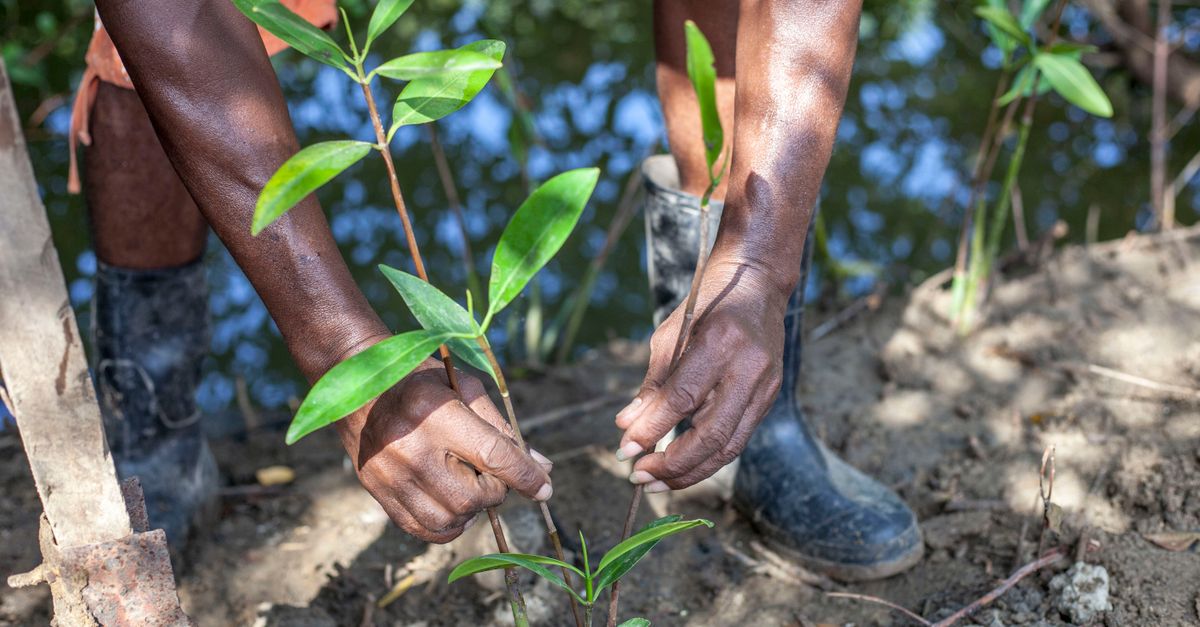
Third, book Airbnbs that actively participate in local carbon projects. I recently stayed at a property in Costa Rica that partnered with a reforestation nonprofit. Every booking funded 10 native trees. That’s not just offsetting — that’s regeneration.
Fourth, extend your stay. A 10-day trip has a lower per-day footprint than a 3-day trip because the fixed costs (flight, cleaning) are spread out. Stay longer, travel slower.
The "Local Economy" Offset Nobody Talks About
Here’s my controversial take: the most impactful thing you can do is spend your money locally. An Airbnb that sources food from local farmers, hires local staff, and uses local materials has a lower supply-chain footprint than one that ships everything from Amazon.
I’ve found that the best eco-friendly Airbnbs don’t just reduce waste — they redirect money toward regenerative local economies. I look for listings that mention:
- Partnerships with local farms or CSAs
- Handmade furniture from regional artisans
- Community-based tourism initiatives
- Zero single-use plastics in the kitchen
The One Question You Must Ask Before Booking
After dozens of eco-stays, I’ve distilled everything down to one question that exposes greenwashing instantly:
"What’s your biggest sustainability challenge right now, and how are you working on it?"
A real eco-host will have an honest answer: "We’re trying to switch from propane to an induction cooktop but the grid isn’t reliable." A fake one will say: "Everything is perfect — we’re 100% green."
The host who admits their imperfections is the one you can trust. They’re on a journey, not a marketing campaign.
Don’t Let Perfect Be the Enemy of Good
Look, I’m not perfect. I still fly. I still book Airbnbs that aren’t 100% sustainable. But I’ve stopped pretending that a few bamboo straws fix the problem.
Eco-friendly travel isn’t about being guilt-free. It’s about being intentional. You offset your flight. You ask the hard questions. You stay longer. You spend locally. You accept that your trip has a footprint — and you own it.
Next time you’re scrolling through listings, ignore the "eco" badge. Look for the details. Ask the uncomfortable questions. And when you can’t avoid the emissions, offset them properly.
Because the planet doesn’t need perfect travelers. It needs honest ones.
Now go book that trip — just do it with open eyes.


