
Let me tell you something — I almost didn't write this article.
Not because the topic isn't fascinating. It absolutely is. But because every time I open social media, someone else is weighing in on "Ozempic face," and honestly, the discourse has gotten loud. There are dermatologists doing reaction videos, celebrities denying plastic surgery rumors, and fitness influencers claiming they've cracked the code to avoiding it altogether.
But here's what I've noticed after digging through the research and talking to actual experts: most people are asking the wrong questions entirely.
Everyone wants to know if weight-loss drugs cause facial aging. Nobody's asking why it happens, who it really affects, and — most importantly — what you can actually do about it without panic-buying a vat of $400 face cream.
Let's fix that today.
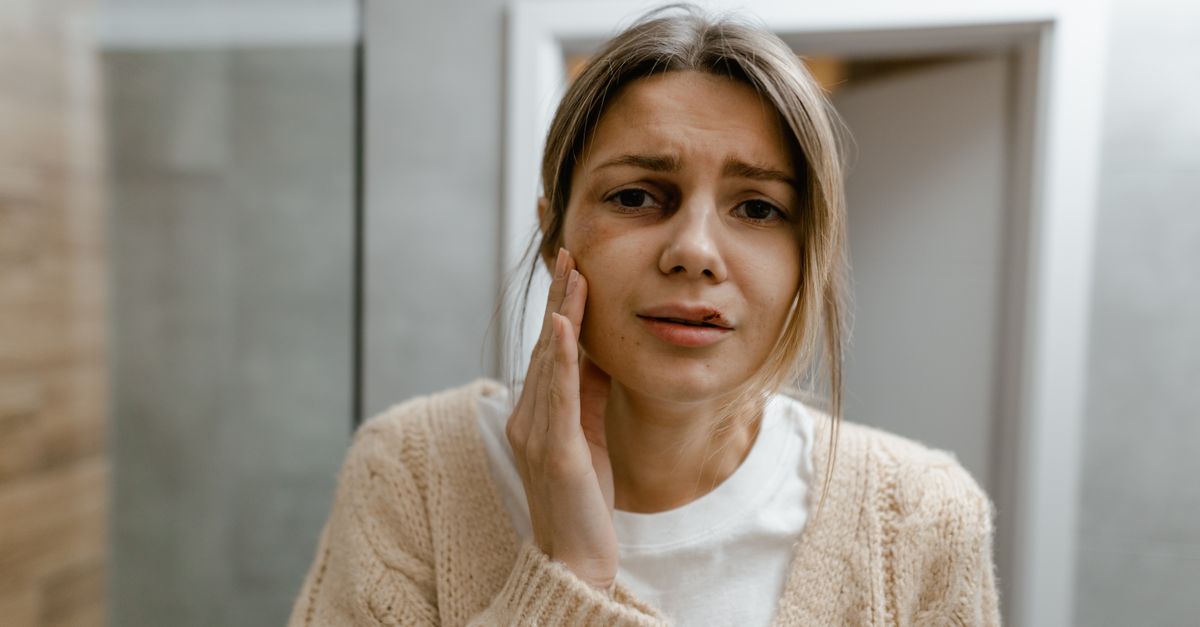
The Elephant in the Room: What Is "Ozempic Face" Anyway?
Let's be honest — the name is ridiculous. It sounds like a meme, and in many ways, it kind of is.
"Ozempic face" isn't a medical diagnosis. It's a colloquial term that exploded on TikTok around 2023, describing the facial changes some people experience after rapid weight loss on GLP-1 medications like Ozempic, Wegovy, and Mounjaro.
Here's the actual science, minus the fear-mongering:
Your face is made of fat, muscle, and skin. When you lose weight quickly — whether from drugs, surgery, or extreme dieting — you lose fat from all over your body. Including your face. The problem is that facial fat doesn't just sit there looking pretty. It provides structural support, keeps your skin looking plump, and maintains that youthful contour.
Lose it too fast, and your skin doesn't have time to catch up. The result? Hollowed cheeks, sunken temples, and loose skin that makes you look... well, older.
But here's what most people miss: this isn't new. People who underwent gastric bypass surgery in the 2000s experienced the exact same phenomenon. We just didn't have a catchy hashtag for it back then.
Why Your Skin Reacts the Way It Does (It's Not Just About Fat)
Okay, pop quiz: What's the largest organ in your body?
If you said skin, gold star for you. But did you know that your skin is also one of the most metabolically active organs you have? It's constantly regenerating, producing collagen, and repairing damage.
Here's where it gets interesting. GLP-1 medications don't just suppress appetite — they change how your body processes nutrients and hormones. And your skin? It's listening.
I've found that people tend to forget that skin is a living tissue, not a spandex suit. When you lose weight rapidly, you're not just reducing fat cells — you're also:
- Decreasing collagen production — because your body prioritizes essential functions over cosmetic ones
- Losing subcutaneous fat — which is the "padding" that keeps skin looking smooth and firm
- Reducing elastin elasticity — which is why skin can't "bounce back" as quickly
The Age Factor: Why Your Face Betrays You
Let's get real for a second. I'm in my 30s, and I've watched my skin change in ways I didn't expect. But the reality is that age plays a massive role in how your face responds to weight loss drugs.
Here's the unvarnished truth:
- In your 20s: Your skin has plenty of collagen and elastin. Even if you lose weight fast, your skin bounces back with remarkable resilience. The "Ozempic face" effect is minimal.
- In your 30s: Collagen production starts declining around 1% per year. You might notice subtle changes, but nothing dramatic.
- In your 40s and beyond: This is where the magic really falls apart. Your skin's structural support is already weakened. Rapid weight loss can make you look significantly older — think 5-10 years, not just 2-3.

The 3 Things Nobody Tells You About Prevention
Everyone's got an opinion on how to prevent "Ozempic face." Some say drink more water (duh). Others swear by collagen supplements (controversial). And a surprising number of people are getting preventative facial fillers — which feels like putting a Band-Aid on before you even get the wound.
Here's what I've found actually matters:
1. Slow and steady wins the race. The research is pretty clear: gradual weight loss (1-2 pounds per week) gives your skin time to adapt. The people I've seen with the most dramatic facial aging are the ones who lost weight at lightning speed. If you're on a GLP-1 medication, work with your doctor to find a dose that promotes sustainable loss, not rapid transformation.
2. Protein is your skin's best friend. Your skin needs amino acids to produce collagen and elastin. If you're eating less (which is the point of these drugs), you need to be strategic about what you do eat. Prioritize lean proteins, healthy fats, and foods rich in vitamins C and E. Your face will thank you.
3. Strength training isn't optional. I know, I know — everyone says "lift weights" for everything. But hear me out. Strength training helps preserve muscle mass during weight loss, including facial muscles. It also boosts collagen production and improves circulation. You don't need to become a bodybuilder — just two to three sessions a week can make a real difference.
The Uncomfortable Conversation About Fillers and Procedures
Let's address the elephant in the room: cosmetic procedures.
I'm not here to judge anyone's choices. If you've lost significant weight and feel self-conscious about your face, that's completely valid. But let's have an honest conversation about what actually works versus what's just marketing hype.
Some dermatologists now recommend "liquid facelifts" — strategically placed fillers in the cheeks, temples, and nasolabial folds to restore volume. The results can be stunning. But here's the catch: it's a temporary fix. You'll need maintenance every 6-12 months, and the costs add up quickly.
Others suggest fat transfer — taking fat from other areas of your body and injecting it into your face. This lasts longer and looks more natural, but it's a surgical procedure with real recovery time and risks.
And then there are the non-invasive options: microneedling, radiofrequency treatments, and ultrasound therapy. These stimulate collagen production over time but require patience and multiple sessions.
Here's my honest take: if you're considering any of these, wait until you've reached your goal weight and maintained it for at least 6 months. Your face will continue to change as your weight stabilizes, and you don't want to treat a moving target.

The Real Question You Should Be Asking
Here's where I'm going to challenge you a bit.
We've spent this entire article talking about aesthetics — and I get it, our faces matter. But I want you to consider something deeper:
What if "Ozempic face" is just evidence of a body doing exactly what it's supposed to do?
When you lose a significant amount of weight, your body adapts. Your face changes. Your skin changes. Your whole appearance shifts. And some of those changes might not feel great in the mirror. But they're also proof that you're getting healthier, that you're taking control of conditions like diabetes or metabolic syndrome, and that you're making choices that could extend your life by years.
I'm not saying you should ignore your concerns. I'm saying that the obsession with "Ozempic face" often overshadows the real wins people are experiencing.
I've read stories from people who've lost 50, 80, even 100 pounds on these medications. They talk about being able to play with their kids without getting winded. About lowering their blood pressure. About getting off medications they'd been on for decades.
And then they'll add, almost apologetically: "But I hate the way my face looks now."
That breaks my heart a little.
Because here's the thing: you can address facial changes. You can't undo the health benefits of significant weight loss. Not easily, anyway.
So here's my challenge to you — whether you're considering GLP-1 medications, currently taking them, or just curious about the phenomenon: focus on what your body can do, not just how it looks. The "Ozempic face" conversation is valid, but it's only one small part of a much bigger picture.
And if you're still worried about your skin? Talk to a dermatologist. Not a TikTok influencer. Not a friend of a friend who tried fillers once. A real, board-certified professional who can give you personalized advice based on your skin type, age, and goals.
Your face is beautiful — whether it's carrying extra weight, losing weight, or somewhere in between. The goal isn't perfection. It's health, confidence, and feeling at home in your own skin.
Now go drink some water and eat some protein. Your face will thank you later.





