Let me tell you something that might shock you: TikTok isn't just changing how we discover music and movies — it's completely rewriting the rulebook of entertainment marketing. I've been watching this shift happen in real-time, and honestly, most people still don't understand how deep this rabbit hole goes.
You've probably seen it yourself. One day you're scrolling through your For You Page, laughing at a cat video, and the next thing you know, you're humming a song you've never heard before from an artist you've never heard of. Or maybe you've found yourself watching a movie trailer that feels less like a trailer and more like a meme compilation. That's not an accident. That's the new playbook.
I've found that the old marketing playbook — billboards, radio spots, TV ads — is collecting dust. TikTok has become the world's most powerful tastemaker. And here's what most people miss: it's not just about going viral. It's about rewriting how audiences emotionally connect with artists and films before they even press play.
The 15-Second Hook That's Killing Music Radio
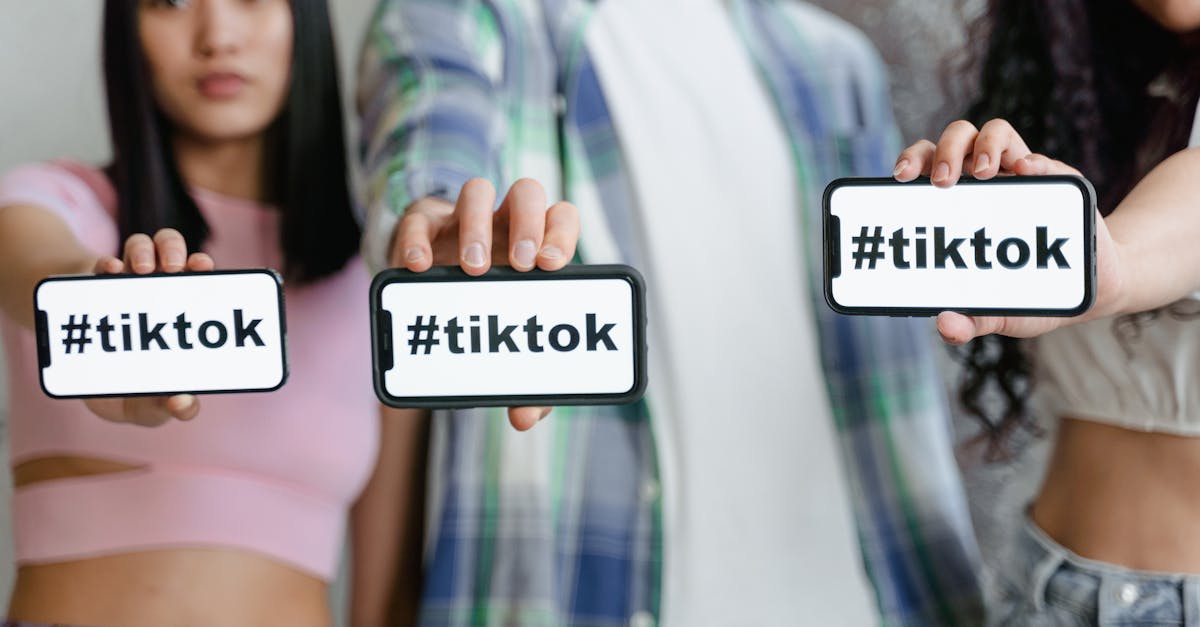
Let's be honest: when was the last time you discovered a new song on the radio? If you're under 35, the answer is probably "never." TikTok has effectively become the new radio station for Gen Z and Millennials. But here's the twist — it's not about full songs. It's about snippets.
I've seen artists drop a 15-second clip of a chorus, and within 48 hours, that clip has been used in 50,000 videos. Suddenly, that song is everywhere. The artist hasn't released a full track yet. There's no album art. No press release. Just a raw, authentic moment that resonated with people scrolling at 2 AM.
The numbers back this up. Lil Nas X's "Old Town Road" didn't blow up because of a label's marketing budget — it blew up because TikTok users made it their own. The song became a meme, a dance, a challenge, and then a cultural phenomenon. And the label? They just had to keep up.
Here's what most people miss: TikTok doesn't care about production value as much as it cares about emotional resonance. A song recorded on an iPhone in a bedroom can outperform a million-dollar studio production if it hits the right nerve. That's terrifying for traditional gatekeepers. And it's liberating for artists.
How Movie Marketers Are Stealing TikTok's Playbook
Now, let's talk about movies. Because this is where things get really interesting.
I remember when movie marketing meant a trailer dropping on YouTube, some posters at bus stops, and maybe a late-night talk show appearance. That era is dead. Today, movie marketers are literally stealing TikTok's playbook — and it's working.
Take the marketing campaign for Everything Everywhere All At Once. That film didn't have a massive budget. But A24 understood the assignment. They created short, weird, shareable clips that felt like TikTok content, not movie ads. They highlighted the absurdity, the emotion, the "what did I just watch?" factor. Those clips got millions of views organically because they didn't feel like marketing — they felt like content.
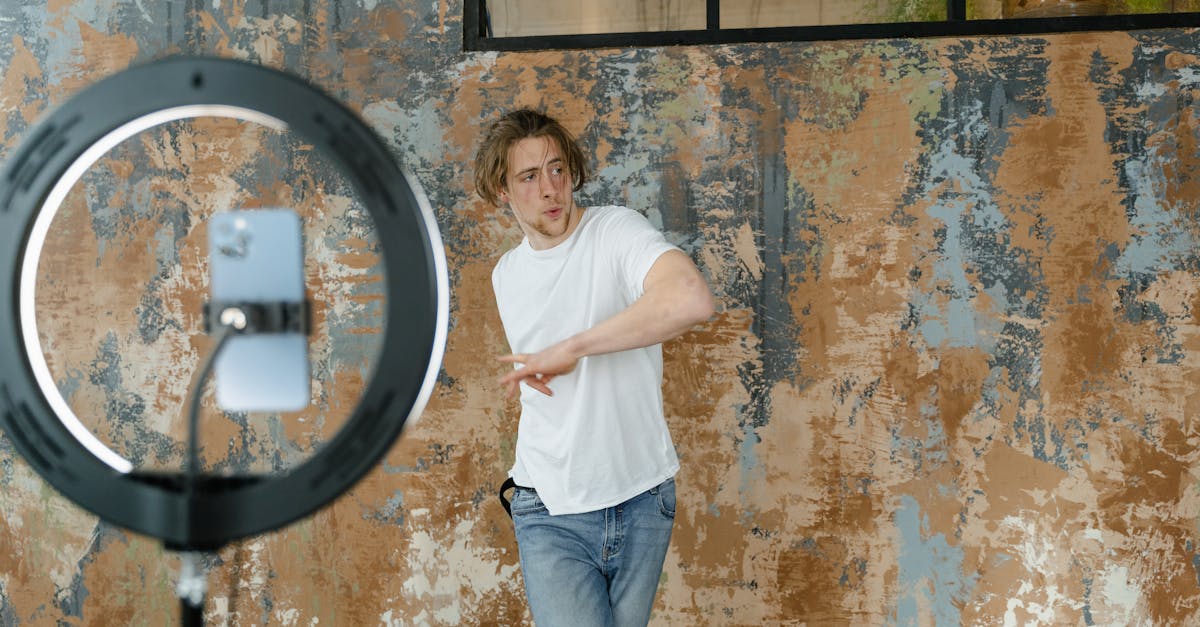
I've found that the most successful movie marketing on TikTok leans into authenticity, humor, and community participation. Studios aren't just posting trailers. They're creating challenges. They're letting fans edit their own versions. They're embracing the chaos.
Think about Barbie. Warner Bros. didn't just drop a trailer. They created a whole aesthetic. They let users generate their own "Barbie selfies" using a tool. They encouraged memes. The marketing became the content. And that's the secret sauce.
The Algorithm That Decides What's Cool
Here's the uncomfortable truth that nobody in Hollywood wants to admit: TikTok's algorithm now has more power over what becomes "cool" than any record label or movie studio executive.
I've watched this happen. A song with zero radio play becomes a top 10 hit because the algorithm decided to push it. A movie that would have flopped in 2015 becomes a sleeper hit because TikTok users turned a specific scene into a viral trend. The algorithm doesn't care about your marketing budget. It cares about engagement.
And this is where most traditional marketers mess up. They try to force the algorithm to work for them. They post polished, corporate content that screams "WE'RE TRYING TO SELL YOU SOMETHING." And then they wonder why nobody watches.
Let me give you the real secret: TikTok rewards content that feels like it was made by a human, not a brand. The most successful music and movie marketing on the platform comes from accounts that don't take themselves too seriously. They respond to comments. They make jokes. They lean into trends. They act like a friend, not a salesperson.
Why "Going Viral" Is a Trap (And What Actually Works)
I need to address the elephant in the room. Everyone wants to go viral. But here's what most people miss: going viral isn't a strategy. It's a result.
I've seen countless artists and studios spend thousands of dollars trying to engineer the next viral moment. They hire TikTok "experts." They try to recreate what worked for someone else. And they almost always fail. Why? Because you can't force authenticity.
The real winners in this new landscape are the ones who understand that TikTok marketing is about building a community, not just getting views. It's about creating a space where fans feel like they're part of something. When a user makes a video using your song or recreates a scene from your movie, they're not just consuming — they're participating.

I've found that the most sustainable approach is to give the audience something they can make their own. Don't just ask them to watch your trailer. Ask them to react to it. Ask them to dub it. Ask them to create their own version. The more you let them play, the more invested they become.
The Hidden Danger of the 60-Second Attention Span
Let's be real for a second. This isn't all good news.
The shift toward TikTok marketing comes with a serious downside: it's training audiences to expect instant gratification. A song needs to hook you in the first three seconds. A movie trailer needs to make you laugh or cry in under 15 seconds. If it doesn't grab you immediately, you scroll.
This has real consequences for artists and filmmakers. Complex, slow-burn storytelling is getting harder to market. A three-minute song that builds gradually? Good luck. A movie like The Irishman that takes its time? That's a marketing nightmare.
I've watched talented musicians struggle because their music doesn't fit the TikTok format. They're making beautiful, thoughtful, layered work — and it's getting buried because it can't be reduced to a 15-second clip. That's not a failure of their art. It's a failure of our attention span.
But here's the thing: smart marketers are learning to work within this limitation without sacrificing depth. They're finding ways to tease the complexity while still hooking the audience. They're using TikTok as a gateway, not a destination.
The Future: What's Next When 60 Seconds Isn't Enough?
So where do we go from here?
I believe we're entering the era of "TikTok-first" entertainment. Songs will be written with a viral snippet baked in from the start. Movies will be conceived with specific moments designed to be shared on the platform. The line between content and marketing will continue to blur until it's almost invisible.
But here's what I'm watching closely: as attention spans fragment further, the value of deep engagement will actually increase. The artists and filmmakers who can hook you in 15 seconds and keep you invested for an hour will be the ones who thrive. They're the ones who understand that TikTok isn't the endgame — it's the front door.
I'll leave you with this: the next time you catch yourself humming a song you heard in a TikTok video or watching a movie because a clip made you laugh, remember this moment. Because we're living through a fundamental shift in how entertainment gets discovered, marketed, and consumed. And the rules are being written right now, 60 seconds at a time.
What's your take? Have you discovered a new artist or movie through TikTok recently? I'd love to hear your experience in the comments. Because honestly, we're all learning this together — and the algorithm keeps changing the game.