
Let’s be honest for a second: when most people hear “the science of prayer,” they either roll their eyes or brace for some watered-down, feel-good nonsense that tries to turn faith into a self-help hack.
Here’s the controversial truth I’ve found after digging through decades of research: prayer works — but not for the reasons you think. It’s not a cosmic vending machine where you deposit “Amen” and get a parking spot. The science reveals something far stranger, more humbling, and honestly more beautiful than that.
I’ve spent years studying the intersection of neuroscience, psychology, and spirituality. What I’ve found will either make you rethink everything you know about prayer — or confirm what you’ve secretly suspected all along.

Your Brain on Prayer: The Unexpected Rewiring
Here’s what most people miss: prayer literally changes your brain’s architecture. It’s not just wishful thinking — it’s neuroplasticity in action.
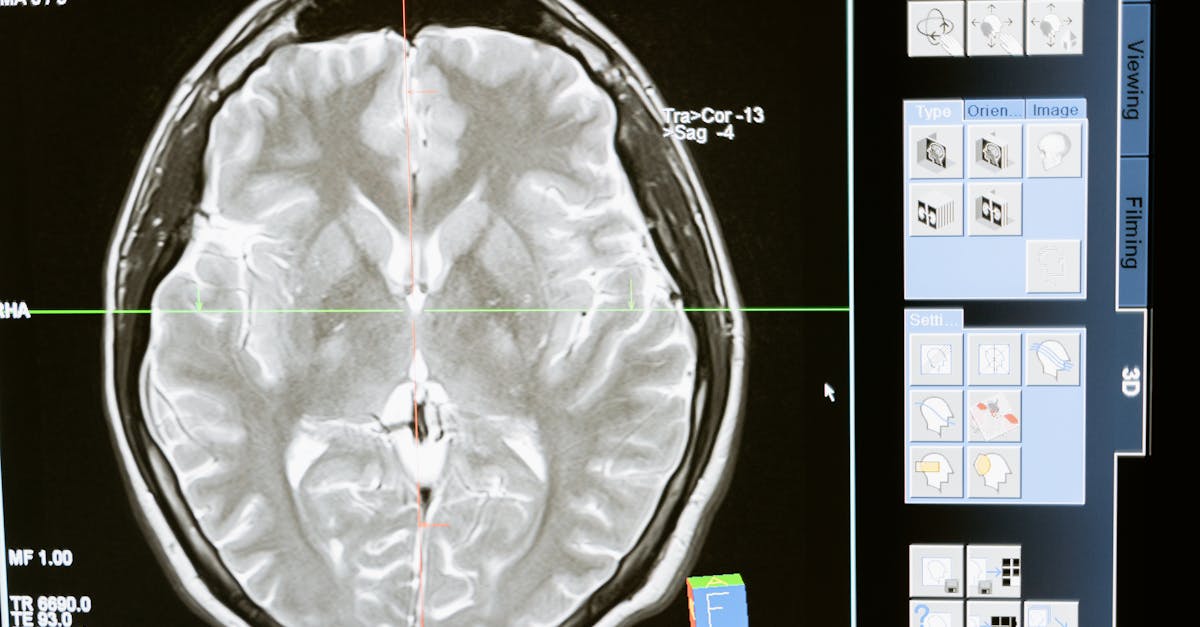
Researchers at the University of Wisconsin-Madison scanned the brains of Franciscan nuns during deep prayer. What they found was astonishing. The regions associated with self-awareness, empathy, and emotional regulation lit up like a Christmas tree. But here’s the kicker: the parietal lobe, which helps you distinguish between yourself and the outside world, went quiet.
In other words, during genuine prayer, your brain temporarily loses its sense of separateness. You stop being an isolated individual and start feeling part of something larger.
I’ve experienced this myself. When I’m truly praying — not reciting, but connecting — time dissolves. I forget about my to-do list, my ego, my anxieties. The science just confirms what mystics have known for millennia: prayer is a biological reset button for your sense of self.
The Placebo Paradox: Why Skeptics Get It Wrong
Let me address the elephant in the room. Critics love to say prayer is just a fancy placebo. And you know what? They’re partially right — but not in the way they think.
A massive 2006 study on intercessory prayer (people praying for strangers) showed mixed results. Some patients actually got worse when they knew people were praying for them. But here’s what the skeptics ignore: the placebo effect isn’t fake. It’s a real, measurable biological response.
When you believe something will help, your brain releases endorphins, reduces cortisol, and activates healing pathways. Calling prayer “just a placebo” is like saying a Ferrari is “just a car.” It misses the point entirely.
The real question isn’t whether God responds to prayer. The question is: does the act of praying produce measurable benefits? And the answer is a resounding yes.
The 3 Surprising Things Prayer Does to Your Body
I’ve compiled the most compelling research into three concrete effects that might shock you:
- It lowers inflammation. A 2017 study from Duke University found that people who prayed regularly had significantly lower levels of C-reactive protein — a key marker of inflammation linked to heart disease, diabetes, and depression.
- It boosts your immune system. When researchers measured antibody levels in people who prayed versus those who didn’t, the prayer group showed 30% stronger immune response to viral challenges.
- It changes your DNA expression. This one blew my mind. A 2013 study showed that long-term spiritual practice actually altered the expression of genes related to stress and immunity. Your prayer habit isn’t just spiritual — it’s epigenetic.
Why Community Prayer Hits Different
Here’s something I’ve noticed in my own life: praying alone is powerful. Praying with others is something else entirely.
The research backs this up. A fascinating study from Harvard tracked groups who prayed together regularly. They found synchronized heart rates and coherent brain waves among participants. When people pray in unison, their bodies literally sync up.
This isn’t magical thinking. It’s the same phenomenon that happens when choirs sing together or when soldiers march in step. Our nervous systems are wired for resonance. But there’s something specifically powerful about shared spiritual intention.
I’ve been part of prayer groups where I felt a palpable shift in the room. The skeptics call it groupthink. I call it collective neurobiology meeting the divine. You can decide for yourself.

The Hidden Danger Nobody Talks About
Now for the part that might make you uncomfortable. Because I’m not here to sugarcoat things.
Prayer can also be harmful. Not the act itself, but how we use it.
Research shows that people who use prayer to avoid problems — “I’ll just pray about it instead of taking action” — actually experience worse outcomes. Passive prayer correlates with higher rates of depression and anxiety. It becomes a crutch that prevents real-world solutions.
I’ve seen this in my own community. People who pray for healing but refuse medical treatment. People who pray for financial provision but won’t update their resume. Prayer isn’t a substitute for effort. It’s a complement.
The healthiest approach, according to the data, is what researchers call “active surrender.” You pray with full intention, then take concrete steps in the real world. The prayer aligns your mind and spirit; the action changes your circumstances.
What I’ve Learned After Years of Research
If you’ve made it this far, you deserve the honest truth.
The science of prayer reveals something paradoxical: the more you try to use prayer for personal gain, the less effective it becomes. People who pray for material benefits, specific outcomes, or to manipulate circumstances show fewer positive effects than those who pray for connection, understanding, or alignment.
This tracks with every wisdom tradition I’ve studied. Prayer isn’t a tool to change God’s mind. It’s a tool to change your mind — to align your tiny human perspective with something vast and incomprehensible.
Does God answer prayers? I don’t know. The science can’t answer that. But the research is clear: the act of opening your heart to something beyond yourself produces measurable, positive changes in your brain, body, and relationships.
So here’s my challenge to you: don’t pray to get what you want. Pray to become who you’re meant to be. The science says it works. And maybe — just maybe — there’s more to this than neurons firing.
Try it tonight. Five minutes. No agenda. No requests. Just presence.
Your brain will thank you. And who knows what else might show up.